Who needs a golden ticket? The race to future-proof chocolate
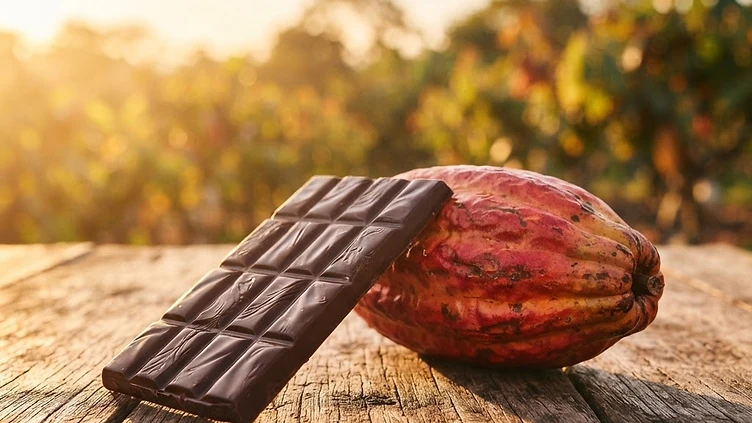
A student at the University of Reading has successfully produced the first chocolate bar made entirely from British-grown cocoa since 1932. This innovative project highlights the urgent need to protect diverse cocoa varieties as climate change threatens global supply chains.
The story in 20 seconds
20The project was led by Maha Khan, a food security master’s student at the University of Reading.
The cocoa was grown, harvested, fermented, and processed at the university’s International Cocoa Quarantine Centre in Berkshire.
The centre houses over 300 types of cocoa plants and manages 97% of the world’s international movement of cocoa plants.
A sweet milestone in Berkshire
In the quiet corners of Berkshire, a remarkable scientific breakthrough has unfolded, one that might just change the way we think about the future of our favorite indulgence. At the of Reading, a dedicated master’s student named Maha Khan has achieved a feat that has remained untouched for nearly a century: the creation of a chocolate bar produced entirely from cocoa grown on British soil. This isn't merely an academic exercise or a simple confectionery experiment; it represents a significant, tangible step toward securing our global food future. The last time the British public saw a chocolate bar crafted from locally cultivated cocoa was back in 1932, courtesy of Rowntree’s. Since that historic moment, the world of cocoa production has evolved significantly, yet it has also become increasingly precarious. By bridging this ninety-two-year gap, this project serves as a gentle reminder of the ingenuity hidden within our university labs and the profound impact that localized research can have on global challenges. As the University of Reading celebrates its centenary year, this particular achievement stands out as a beacon of scientific progress, blending history with a vital vision for the years to come.
Protecting the future of flavour
The journey from pod to bar is a complex one, involving careful cultivation, harvesting, fermentation, and intricate processing. Under the watchful eyes of the team at the , Maha Khan navigated these steps to ensure the final product was not just a symbol of success, but a legitimate piece of chocolate. The centre itself is a powerhouse of agricultural preservation, housing an impressive collection of over three hundred distinct types of cocoa plants. It serves as a guardian of global biodiversity, managing ninety-seven percent of the international movement of cocoa plants. By maintaining such a vast genetic library, the centre acts as an insurance policy against the unpredictable nature of our environment. Climate change has placed an unprecedented strain on agricultural supply chains across the globe, threatening the delicate ecosystems required to produce cocoa. By proving that high-quality cocoa can be nurtured and processed within the unique, controlled conditions of the Berkshire facility, the project underscores the importance of maintaining diverse genetic stock. This is not just about keeping the confectionery industry afloat; it is about preserving the rich variety of plants that underpin our global food security, ensuring that no single vulnerability can wipe out the crops we rely on for our daily comforts.
Strengthening our global connections
While the sight of a chocolate bar is a novel and heart-warming curiosity, the core of the project is grounded in the serious reality of international trade. Our UK confectionery sector depends heavily on intricate supply chains that span the globe, yet these pathways are becoming increasingly fragile. The work led by Maha Khan highlights the vital role of scientific institutions in identifying and testing solutions that can bolster these systems against environmental shifts. By mastering the cultivation process locally, researchers are learning how to better adapt to climate-related stressors, which in turn informs how we support cocoa farmers elsewhere in the world. It is a collaborative approach to a global issue, demonstrating that small-scale successes in university research can pave the way for broader, more resilient agricultural strategies. The knowledge generated within the walls of the International Cocoa Quarantine Centre serves as a testament to the power of international collaboration and the responsibility of scientific hubs to act as stewards of our natural resources. As we look to the future, it is clear that protecting the diversity of cocoa plants is not just an environmental imperative but a necessary step to maintain the stability of the products we cherish.
A roadmap for resilience
What makes this initiative so particularly uplifting is the spirit of innovation it embodies. The successful production of this bar is a testament to the belief that even the most daunting environmental challenges can be addressed through persistent, scientific exploration. The project does not suggest we will be replacing global cocoa imports with British-grown versions tomorrow, but it does show us what is possible when we apply rigorous science to agriculture. It brings a sense of optimism to a sector currently worried about its long-term viability. By focusing on genetic diversity, the University of Reading is effectively future-proofing the cocoa we take for granted. This project is a celebration of what can be accomplished when we think creatively about food security. As the university reflects on its first hundred years, this achievement acts as a promise for the next century of research, focusing on sustainability and the preservation of the essential ingredients that connect us all. It is a story of a student, a lab, and a simple bar of chocolate, but it is also a story about resilience, foresight, and the enduring human effort to protect the things that bring us joy, even in a changing world. For those of us who appreciate the simple pleasure of a chocolate treat, this development offers a reassuring glimpse of a future where science works hand-in-hand with nature to ensure the pantry remains well-stocked for generations to come.
Originally reported by
All rights in the original reporting remain with the publishers below.
Originally reported by Who needs a golden ticket? The race to future-proof chocolate. Our feature is written independently from verified facts — please support the original reporting:
Read the original storyRelated Wins

 Science
Phoebe Waller-Bridge buys a new London flat so underprivileged writers can move in rent-free
A new London-based theatre initiative titled 'Writers' Block' is providing rent-free accommodation for early-career playwrights from underprivileged backgrounds, thanks to a donation of a property by Phoebe Waller-Bridge.
London & South · 2 hours ago

 Environment
Alderley Edge Volunteers Bloom with National Success
A team of volunteers in Alderley Edge has been awarded a prestigious silver gilt at the national RHS Britain in Bloom finals for their dedication to beautifying the town and implementing sustainable gardening initiatives.
North of England · 7 hours ago

 Science
Fossilised red blood cells found in 115m-year-old dinosaur’s bone, say scientists
Researchers have identified the most compelling evidence to date of fossilised red blood cells within the 115-million-year-old remains of a theropod dinosaur. This landmark discovery, which includes the detection of iron-rich heme molecules, offers scientists a revolutionary new window into the physiology of extinct species.
London & South · 8 hours ago
The Sunshine Digest
One bright email each week — verified good news only, unsubscribe in a click.