Rare beetle that oozes substance from its knees when attacked rediscovered in Wales
Conservationists have confirmed the successful breeding of the rare short-necked oil beetle in Pembrokeshire, marking a significant milestone for biodiversity as larvae were discovered at the Castlemartin Range after years of only finding dead specimens.
The story in 20 seconds
20Species: Short-necked oil beetle (Meloe brevicollis).
Location: Castlemartin Range, Pembrokeshire, Wales.
Rediscovery status: First confirmed breeding in Wales in nearly 60 years.
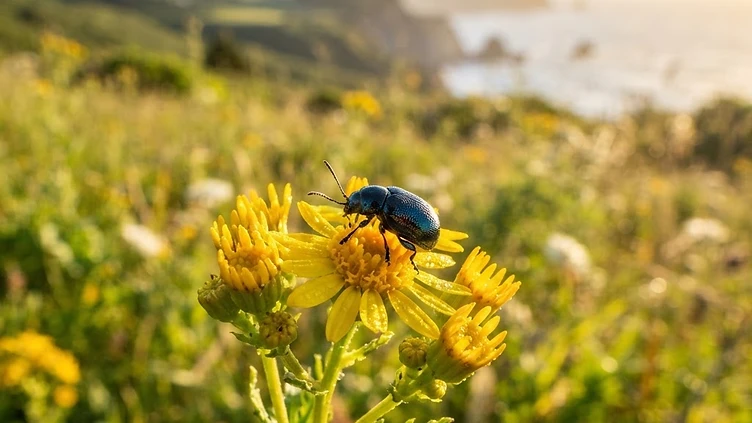
A Remarkable Welsh Return In Pembrokeshire
In a heartwarming development for Welsh wildlife, the quiet plains of the in Pembrokeshire have become the stage for a spectacular environmental comeback. ists have officially confirmed the successful breeding of the rare oil beetle, a species that had all but vanished from the local landscape. For years, the outlook was bleak, with conducted in 2022 and 2025 yielding nothing but the sobering sight of dead adult specimens. These discoveries sparked genuine fears that this unique insect had become locally extinct. However, the discovery of thriving in November 2026 has turned that narrative on its head, marking the first confirmed instance of this beetle breeding in Wales in nearly sixty years. This victory for nature is a direct result of dedicated efforts led by conservationists, with vital support from the Natur am Byth programme and the Bumblebee Conservation Trust, all made possible through funding from .
An Unusual Defence And A Complex Life
The short-necked oil beetle, scientifically known as Meloe brevicollis, is a fascinating creature that captures the imagination not just through its scarcity, but through its bizarre biological quirks. Measuring up to 24 millimetres in length, the adult beetle possesses a defence mechanism that is as effective as it is unusual. When the insect feels threatened, it releases an oily, yellow-orange fluid directly from its knee joints, a unique response designed to deter potential predators. Beyond its defensive capabilities, the beetle leads a highly specialized and delicate existence. Its life cycle is a masterclass in nature's interconnectedness; the larvae must climb onto flowers to hitch a ride on unsuspecting solitary bees. By successfully boarding these hosts, the larvae are transported to the bee nests, where they continue their development. This complex process highlights the essential role that specific environments play in the survival of such rare species. To thrive, these beetles demand a precise combination of conditions, including areas of bare earth, thick, healthy vegetation, and dense flower coverage.
A Wider Context For Conservation
The return of the short-necked oil beetle to Welsh soil carries significant weight when viewed against the wider UK landscape. Across the country, suitable sites for this species are exceptionally scarce, with only a handful of locations providing the necessary conditions for a viable population. The historical timeline of this beetle in Britain is particularly storied. After a long period of being unreported from 1948 until its in Devon in 2006, the species has remained a top priority for those monitoring biodiversity. The fact that the Castlemartin Range is now hosting a reproducing population is a testament to the importance of the Natur am Byth flagship species recovery programme. By focusing on site-specific needs and restoration, conservationists have managed to secure a future for a creature that was once considered lost to the region. This success story serves as a powerful reminder of how targeted intervention can reverse the decline of vulnerable biodiversity.
Looking Toward A Sustainable Future
As the news of the breeding success resonates through the conservation community, the focus now shifts toward long-term stewardship. The presence of the short-necked oil beetle is a vital indicator of ecosystem health, and the partners involved are fully committed to ensuring that the Pembrokeshire site continues to meet the stringent habitat requirements of the beetle. Future monitoring is already being planned to track the progress of this population, providing a roadmap for how to manage such fragile species effectively. There is a palpable sense of optimism surrounding the Castlemartin Range, as the successful arrival of the new generation of beetles demonstrates that, with the right conditions and ongoing support, nature has an incredible capacity for recovery. For the people of Wales, this small but significant insect has become a symbol of ecological resilience. The journey from finding only dead specimens to documenting a new, vibrant generation is a triumph for everyone involved, proving that persistence in the face of local extinction can yield rewards that far exceed expectations. As we look ahead, the story of the short-necked oil beetle serves as a guiding light for future restoration projects, reminding us all of the importance of protecting the diverse, if sometimes hidden, creatures that share our landscape.
Originally reported by
All rights in the original reporting remain with the publishers below.
Originally reported by theguardian.com. Our feature is written independently from verified facts — please support the original reporting:
Read the original storyRelated Wins

 Environment
Bloomin marvellous! Alderley Edge strikes gold again!
Alderley Edge in Bloom volunteers have achieved a prestigious gold award at the annual North West in Bloom competition, reflecting their commitment to community beautification and environmental excellence.
North of England · 1 day ago

 Environment
FARMING RESEARCH PROJECT REVERSES SONG BIRD DECLINE
A pioneering research farm in the Midlands has successfully demonstrated that integrating nature-friendly practices with modern agriculture can lead to a significant recovery in local bird populations, achieving a 145% increase in songbird abundance since 1992.
Midlands · 1 day ago

 Environment
Young Leaders Transform Widnes and Runcorn with Creative Environmental Campaign
The Halton Youth Cabinet was awarded the Famous Five Award at the 2026 Ykids Believe Awards for their creative 'Binimals' project, which turns litter bins into animal-themed art to improve recycling habits and community pride.
North of England · 1 day ago
The Sunshine Digest
One bright email each week — verified good news only, unsubscribe in a click.