FARMING RESEARCH PROJECT REVERSES SONG BIRD DECLINE
A pioneering research farm in the Midlands has successfully demonstrated that integrating nature-friendly practices with modern agriculture can lead to a significant recovery in local bird populations, achieving a 145% increase in songbird abundance since 1992.
The story in 20 seconds
20The Allerton Project is a research and demonstration farm managed by the Game & Wildlife Conservation Trust (GWCT).
It is located on the border of Leicestershire and Rutland.
The project has recorded a 145% increase in songbird numbers since its baseline survey in 1992.
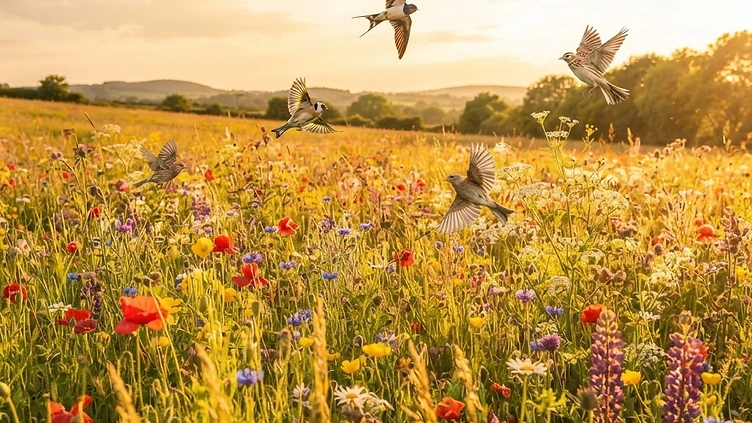
A Chorus Returns to the Midlands
Tucked away on the border of and Rutland lies a quiet revolution in the way we view our working landscapes. For over three decades, a dedicated team has been quietly transforming the fortunes of our native songbirds, proving that the future of British farming and the survival of our feathered friends are not merely compatible, but potentially partners in a thriving ecosystem. The Allerton Project, managed by the Game & , has become a beacon of hope for conservationists and agriculturalists alike. Since 1992, this and demonstration farm has been testing the boundaries of what is possible, resulting in a remarkable 145% increase in songbird abundance. As the dawn chorus grows louder across these rolling fields, it serves as a powerful reminder that our agricultural heartlands can be vibrant, living spaces teeming with life.
The Strategy Behind the Success
The secret to this dramatic turnaround is not a single miraculous intervention, but a rigorous, three-pronged conservation strategy that has been refined through years of diligent observation. Under the steady guidance of project director Dr. , the team at the Allerton Project identified three essential pillars necessary to turn the tide of decline. First, the creation of high-quality habitats provides the vital infrastructure for birds to nest and seek shelter. Second, the introduction of supplementary winter feeding ensures that populations remain robust throughout the harshest months of the year. Finally, the implementation of predation control rounds out a system that gives songbirds the best possible chance to raise their young successfully. This evidence-based approach demonstrates that when farmers are given the right tools and knowledge, they can become the most effective stewards of the land. By focusing on these three core areas, the project has managed to reverse a trend that many had feared was permanent. It is a testament to the fact that careful, long-term management can yield tangible, beautiful results.
A National Model for Change
The significance of the work being carried out on the Leicestershire-Rutland border extends far beyond the local hedgerows. As the project has matured over the last thirty years, it has transformed into a national model for nature-friendly farming. The findings gathered here are now regularly shared with farmers and policymakers across the country, offering a roadmap for landscape-scale biodiversity recovery. This is not just a study of one farm, but a template for the future of the British countryside. The project also holds the distinction of being the birthplace of the , an initiative launched in 2014 that has helped engage the wider public in the health of our avian populations. By demonstrating that modern farming practices and nature recovery are not mutually exclusive, the Allerton Project is changing the narrative around agricultural land use. Instead of seeing these two goals as in competition, the data suggests that they can be woven together to create a more resilient and diverse landscape. It is a message of balance and common sense that resonates across the sector.
Looking Toward a Greener Future
As we look at the progress made since those initial surveys in 1992, the optimism generated by the Allerton Project is difficult to overstate. The steady, upward climb in songbird numbers is a clear indicator that when we apply science to the land with intention, nature responds. The ongoing research at the site remains a cornerstone of environmental progress, constantly seeking to refine and expand upon the methods used to support our native wildlife. By empowering those who work the land with the evidence they need, the project ensures that the lessons learned in the Midlands can be applied in different contexts throughout the United Kingdom. We are moving toward a time where the sight of thriving bird populations becomes the standard rather than the exception. The commitment shown by Dr. Leake and the team at the Game & Wildlife Conservation Trust shows that long-term vision is the most valuable tool in the conservationist's kit. As these practices continue to ripple out from Leicestershire and Rutland to farms across the nation, we can look forward to a future where our fields are as full of song as they are of crops. The success of this project is a shining example of what happens when we commit to the idea that working the land and protecting its inhabitants are two sides of the same essential task.
Originally reported by
All rights in the original reporting remain with the publishers below.
Originally reported by ‘This is a robust recipe’: the experimental farm bucking the decline in UK birds. Our feature is written independently from verified facts — please support the original reporting:
Read the original storyRelated Wins

 Environment
Bloomin marvellous! Alderley Edge strikes gold again!
Alderley Edge in Bloom volunteers have achieved a prestigious gold award at the annual North West in Bloom competition, reflecting their commitment to community beautification and environmental excellence.
North of England · 1 hour ago

 Environment
Young Leaders Transform Widnes and Runcorn with Creative Environmental Campaign
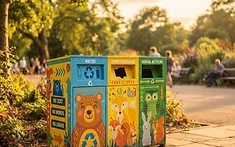
The Halton Youth Cabinet was awarded the Famous Five Award at the 2026 Ykids Believe Awards for their creative 'Binimals' project, which turns litter bins into animal-themed art to improve recycling habits and community pride.
North of England · 13 hours ago

 Environment
New Affordable Homes Approved for Bollington Community
A significant housing project in Bollington has received planning permission to replace 44 existing bungalows with 77 new, modern, and affordable homes managed by Peaks & Plains Housing Trust.
North of England · 19 hours ago
The Sunshine Digest
One bright email each week — verified good news only, unsubscribe in a click.