Pembrokeshire Coast Welcomes Rare Marine Visitor
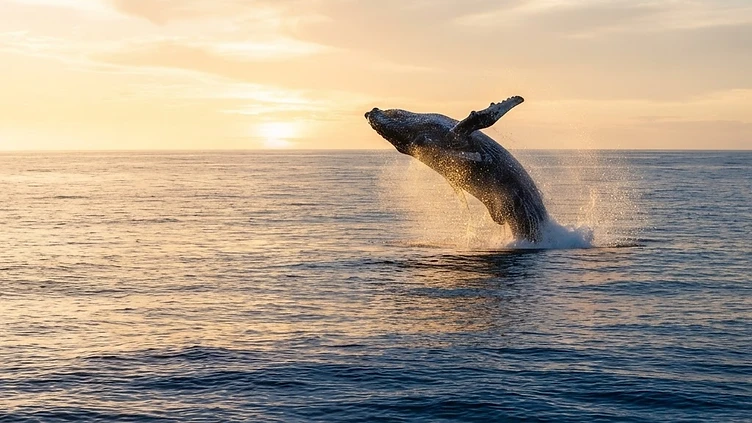
A magnificent whale has been captured on film off the coast of Pembrokeshire, delighting local wildlife enthusiasts and observers. This rare sighting highlights the rich biodiversity of the Welsh coastline and the ongoing efforts to protect its marine inhabitants.
The story in 20 seconds
20Location: Pembrokeshire coast, Wales.
Date of report: October 20, 2026.
Observer: Rhys Morgan, an amateur wildlife photographer.
A Rare Encounter in Welsh Waters
The rugged beauty of the coastline has long been a source of wonder for those who walk its paths and sail its surrounding waves, but this , the region offered a spectacle that exceeded even the wildest expectations of local enthusiasts. On October 20, 2026, the quiet serenity of the was interrupted by the awe-inspiring presence of one of the largest whale on the planet. For , an amateur wildlife photographer enjoying a day out on the water with his friends, what began as a routine sailing trip quickly transformed into a moment of pure, cinematic magic. As he scanned the horizon, the sheer scale of the creature surfacing nearby became immediately apparent, allowing him to capture footage that has since captivated the local and beyond.
This extraordinary visitor served as a powerful reminder of the hidden treasures tucked away beneath the surface of the Welsh sea. While Pembrokeshire is already celebrated as a global hotspot for marine biodiversity, catching a glimpse of such a colossal inhabitant remains a rare and privileged experience. For those who track the movements of marine life in the region, the sighting is more than just a beautiful video; it is a significant data point that helps researchers better understand the complex migration patterns of cetaceans through these deep-water channels. The footage, shared with enthusiasm across local networks, highlights the vital role that the public plays in documenting the health of our oceans.
Protecting Our Marine Sanctuary
The Pembrokeshire Coast National Park is much more than a stunning landscape of cliffs and sandy beaches; it is a meticulously managed environment designed to sustain both terrestrial and marine life. The area is subject to protected status, an initiative that provides a safe harbour for various cetaceans and seabirds, ensuring they have the space and resources to thrive. Because of these concerted efforts, the coastal waters have become a primary destination for those interested in responsible wildlife tourism. Visitors who flock to the coast in search of nature are now increasingly playing a part in a much larger, collaborative effort to monitor the local ecosystem.
Local organizations such as are at the heart of these efforts, diligently tracking sightings and encouraging the public to report their own encounters via social networks. This community-led approach to monitoring is essential for maintaining a clear picture of the biodiversity thriving in the Celtic Deep. By creating a culture where observers like Rhys Morgan are empowered to share their experiences, the region fosters a deep, collective appreciation for the marine inhabitants that call these waters home. It is a symbiotic relationship where the public, the conservationists, and the wildlife exist in a shared space, all contributing to the continued protection of this precious habitat.
Hope for the Celtic Deep
Looking back at the events of October 2026, the sighting of such a majestic creature is an incredibly optimistic sign for the state of the Welsh marine environment. The ecological impact of the event reaches far beyond the immediate excitement of the local community; it validates the ongoing investment into keeping the Celtic Deep a healthy, functioning ecosystem. When we see one of the world's largest whale species choosing to transit through these protected corridors, it confirms that our efforts to limit disruption and maintain habitat integrity are working. It is a testament to the fact that when we prioritize nature, the results can be truly spectacular.
As we look toward the future, the lessons learned from this incident are clear. The continued success of the Pembrokeshire coastline as a marine sanctuary depends on our ability to balance human activity with the needs of the animals that rely on these waters. By encouraging responsible wildlife viewing and maintaining rigorous monitoring standards, the region can continue to serve as a beacon of hope for marine conservation. The sight of that great whale breaking the surface was a brief, powerful connection between humanity and the wild, serving as a call to keep our focus on preservation. For the residents of Wales and the thousands who visit each year, the sea is no longer just a backdrop for recreation; it is a vibrant, living library of natural history that we are all responsible for keeping intact for generations to come.
Originally reported by
All rights in the original reporting remain with the publishers below.
Originally reported by Whale in Wales: amateur photographer captures stunning footage - video. Our feature is written independently from verified facts — please support the original reporting:
Read the original story- Whale in Wales: amateur photographer captures stunning footage - video
- https://www.bbc.co.uk/news/articles/c6q8jly114j8o
- https://www.walesonline.co.uk/news/wales-news/onlookers-left-stunned-rare-humpback-34691507
- https://www.digitalcameraworld.com/photography/nature-and-wildlife-photography/incredible-moment-humpback-whale-spotted-by-cameraman-off-welsh-coast-there-have-been-only-a-couple-of-sightings-in-the-last-few-years-he-says
Related Wins

 Environment
Solar Power Meets Nature: New Certification Boosts Biodiversity on UK Energy Sites
A pioneering certification scheme is transforming solar farms into thriving wildlife havens by encouraging developers to integrate nature-friendly habitats alongside clean energy production. This initiative ensures that renewable energy infrastructure actively contributes to local biodiversity, providing essential food and shelter for declining species.
Midlands · 14 hours ago

 Environment
Seeing the River Through Wildlife’s Eyes: A New Path for Conservation
Volunteers in Somerset are using an immersive, perspective-shifting experiment to better understand the environmental challenges facing the River Tone. By training to view the landscape from the viewpoint of local wildlife, the group has developed a comprehensive 30-year strategy to restore the river’s health.
London & South · 1 day ago

 Environment
Coastal Revival: Solent Seabird Colonies Bounce Back After Flu Crisis
Conservationists are celebrating a significant recovery of seabird populations along England’s south coast following the severe avian influenza outbreak of 2022. Collaborative habitat restoration projects have provided vital sanctuary for vulnerable species, marking a successful turning point for local biodiversity.
London & South · 1 day ago
The Sunshine Digest
One bright email each week — verified good news only, unsubscribe in a click.