Coastal Revival: Solent Seabird Colonies Bounce Back After Flu Crisis
Conservationists are celebrating a significant recovery of seabird populations along England’s south coast following the severe avian influenza outbreak of 2022. Collaborative habitat restoration projects have provided vital sanctuary for vulnerable species, marking a successful turning point for local biodiversity.
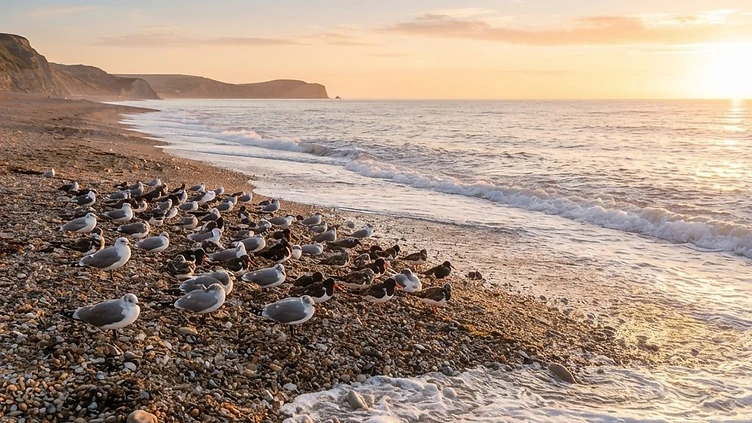
A New Dawn for Our Shores In the quiet corners of the Solent region, the air is once again filled with the triumphant calls of seabirds, a sound that signals a heartwarming transformation for England’s southern coastline. Following the devastating shadows cast by the avian influenza outbreak of 2022, when H5N1 led to a heartbreaking decline in local bird populations, there is now a palpable sense of renewed hope. Today, the landscape is experiencing a significant recovery, a testament to the resilience of nature and the tireless commitment of those dedicated to protecting it. What was once a period of profound worry for conservationists has turned into a story of restoration and flourishing life, marking a bright chapter for our coastal heritage.
Collaborative Action for Nature The remarkable turnaround we are witnessing today is the result of the Solent Seascape Project, a vital partnership between the RSPB, Natural England, and the Blue Marine Foundation. This ambitious five-year initiative, which began its journey in 2022 and looks toward completion in 2027, has fundamentally changed the way we interact with and support our marine environments. By working together, these organizations have created a sophisticated network of sanctuary spaces that cater specifically to the needs of vulnerable species. Instead of watching from the sidelines, this dedicated team took proactive steps to reshape the shoreline, providing essential infrastructure that allows our seabird populations to thrive once more. It is a shining example of what collective human effort can achieve when focused on the preservation of our natural world.
Ingenious Designs for Breeding Success Central to this restoration success story are the clever engineering projects designed to offer birds a safe place to nest and raise their young. Among the most effective interventions have been the installation of shingle-topped rafts and the deliberate creation of new shingle islands. These structures mimic the natural environment that these birds require, yet they offer a protected refuge from the various pressures they face in the modern marine landscape. The impact of these features has been immediate and profound. Species such as sandwich terns, common terns, gulls, plovers, and oystercatchers have all been drawn back to these carefully constructed habitats. Perhaps most moving of all is the scene at the North Solent National Nature Reserve, where breeding pairs have returned to sites that had remained empty for decades. Seeing these birds reclaim their ancestral nesting grounds is a powerful reminder of how quickly nature can rebound when given the right helping hand and a safe place to start again.
Looking Toward a Brighter Horizon As we look toward the final stages of the Solent Seascape Project, there is a strong feeling of optimism for the future of our coastal biodiversity. The success seen between 2022 and 2026 provides a clear blueprint for how we can continue to restore marine habitats right across the UK. By focusing on targeted, habitat-based solutions, we have learned that recovery is not just a dream but an achievable goal. The return of these seabirds is more than just a win for ornithology; it is a win for the health of our entire ecosystem. When our seabird colonies are healthy, it speaks volumes about the vibrancy of the waters they call home. As we move closer to 2027, the ongoing efforts in the Solent serve as a beacon, showing us that with patience, dedication, and the right partnerships, we can help our wild spaces flourish. The resilience shown by these birds, coupled with the foresight of the Solent Seascape Project, gives us every reason to believe that the future of England’s south coast is in good hands. This is a story of a community of conservationists who refused to give up, and in doing so, they have ensured that the coastal horizon remains full of life for generations to come.
Originally reported by
All rights in the original reporting remain with the publishers below.
Originally reported by Seabird numbers bounce back in Solent region after 2022 avian flu wipeout. Our feature is written independently from verified facts — please support the original reporting:
Read the original storyRelated Wins

 Sport
LIONESSES SECURE LONG-TERM FUTURE WITH WIEGMAN EXTENSION
England’s women’s football team will continue their journey under the leadership of Sarina Wiegman, who has committed her future to the squad until 2029. This extension ensures stability for the Lionesses as they look ahead to upcoming major international tournaments.
London & South · 2 hours ago

 Science
CELESTIAL SPECTACLE: ORIONID METEOR SHOWER LIGHTS UP UK SKIES
Stargazers across the UK are being treated to a dazzling natural display as the annual Orionid meteor shower reaches its peak this week, offering a rare opportunity to witness fragments of Halley’s Comet.
London & South · 2 hours ago

 Environment
Council leader pledges resident board for new housing developments across South Warwickshire
Residents in South Warwickshire will now have a direct seat at the table to influence the design and infrastructure of major new housing developments as the district council leader mandates community representation on strategic planning boards.
Midlands · 8 hours ago
The Sunshine Digest
One bright email each week — verified good news only, unsubscribe in a click.