Green Grants Empower Midlands Communities to Restore Nature
Midlands communities are receiving a significant financial boost to support local environmental initiatives, empowering residents to lead grassroots nature and sustainability projects.
The story in 20 seconds
20The West Midlands Combined Authority (WMCA) is distributing a share of £100,000 to community groups and young people for eco-friendly projects.
Individual groups can apply for grants of up to £5,000 through the Circular Economy Call to Action Fund.
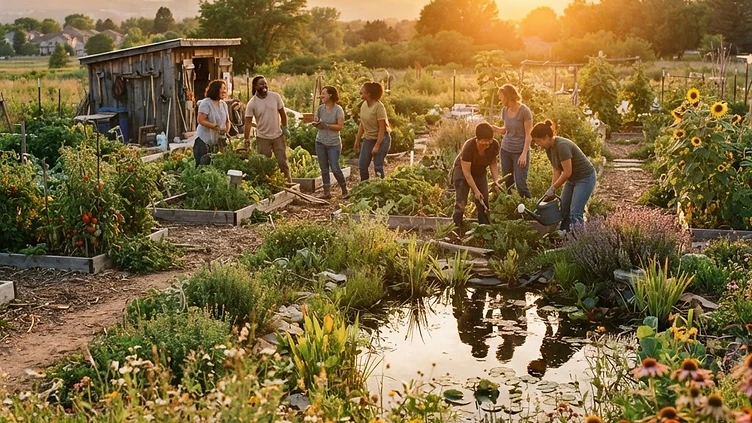
Projects supported include planting sessions, the creation of community tree nurseries, and the restoration of wildlife-rich ponds.
A Green Vision for the Midlands
Across the West Midlands, a vibrant wave of environmental stewardship is beginning to take root, fueled by a new and ambitious financial lifeline. As the region looks toward a more sustainable future, has unveiled a significant investment designed to empower local residents to take the lead in protecting their own backyards. This initiative, which sees a total of £100,000 distributed to grassroots organizations and young activists, represents a pivotal moment in the regional 2030 strategy. By placing resources directly into the hands of those who live and work in the area, the project aims to transform the local landscape while fostering a deeper connection between citizens and the natural world. It is a refreshing approach that prioritizes local action, proving that the most meaningful changes often start on our very own doorsteps.
Nurturing Nature Through Local Action
At the heart of this funding program is the to Action Fund, which offers individual groups the opportunity to secure grants of up to £5,000. These funds are not intended for distant or abstract initiatives, but rather for tangible, hands-on that make a visible difference to the community environment. Whether it is the soft hum of life returning to a restored wildlife pond, the careful planting of new saplings in a community nursery, or collective tree-planting sessions that bring neighbors together, the impact is expected to be profound. These small-scale interventions are crucial for enhancing biodiversity, turning overlooked patches of land into thriving habitats. By providing the essential resources needed for such endeavors, the West Midlands Combined Authority is effectively bridging the gap between high-level sustainability goals and the boots-on-the-ground reality of environmental conservation. Furthermore, the initiative is particularly focused on inclusivity, reaching out to under-represented groups who might not have traditionally found a pathway into environmental activism. This approach ensures that the benefits of greener spaces are accessible to everyone, helping to improve community wellbeing in a comprehensive and equitable manner.
A Path Toward a Sustainable Future
The timing of this grant distribution is no coincidence. It serves as a vital component of the wider 2030 Roadmap, a strategic framework that outlines the region’s commitment to achieving significant environmental targets over the coming years. By embedding sustainability into the fabric of local communities, the West Midlands is setting a clear trajectory for success. This move goes beyond simple aesthetics; it is about building a circular economy where resources are valued and ecosystems are restored. The reliance on community-led projects highlights an important realization: that systemic change requires the active participation of the people it affects most. As groups across the region prepare to launch their projects, there is a tangible sense of momentum. Young people, in particular, are being encouraged to step forward, ensuring that the legacy of these environmental efforts is carried well into the future. By democratizing access to environmental funding, the authority is not just planting trees; it is sowing the seeds of long-term community resilience. The projects supported by this funding represent a diverse array of interests, all unified by a shared goal of regional improvement. From those looking to revitalize abandoned green spaces to others focused on educational nature projects, the spectrum of activity is broad and inspiring. This diversity of action is precisely what is needed to address the environmental challenges of the present day.
Looking Ahead With Optimism
As these grants begin to circulate and projects take hold, the landscape of the West Midlands stands to undergo a subtle but significant transformation. The focus on wildlife restoration and sustainable community practices provides a hopeful blueprint for other regions across the United Kingdom. By demonstrating that grassroots engagement is a powerful driver of change, the Midlands is showing that large-scale environmental strategies can be harmonized with individual passions. For residents, this means more than just improved parks or cleaner spaces; it signifies a new era of agency where local communities are the primary architects of their own green futures. The success of this initiative will likely be measured not just in the number of trees planted or ponds restored, but in the strengthened social bonds and the increased sense of pride among those who have participated. As the 2030 Roadmap progresses, the collaborative spirit fostered by these grants will undoubtedly become a cornerstone of the region's character. In a time when the headlines are often dominated by the scale of global environmental concerns, this localized effort offers a warm and optimistic reminder of what can be achieved when a community works together for the common good. The path ahead is clear, and for the people of the West Midlands, the future looks greener, healthier, and more deeply connected than ever before.
Originally reported by
All rights in the original reporting remain with the publishers below.
Originally reported by birminghammail.co.uk. Our feature is written independently from verified facts — please support the original reporting:
Read the original storyRelated Wins

 Environment
Greener front gardens could help combat air pollution and summer heat
New research highlights that maintaining lush, vegetated front gardens serves as a vital first line of defence for city dwellers against air pollution and rising summer temperatures. By prioritising hedges and diverse planting over paved surfaces, residents can significantly improve local air quality and keep their homes cooler during heatwaves.
London & South · 7 hours ago

 Environment
COASTAL BIODIVERSITY PROTECTED AS MECHANICAL CLEANING PLAN HALTED
A proposal to introduce heavy mechanical beach cleaning equipment across the Ards and North Down coastline has been blocked by local councillors, prioritising the protection of sensitive marine habitats and wildlife.
Northern Ireland · 13 hours ago

 Environment
Nottinghamshire Community Grants Empower Local Environmental Action
Nottinghamshire County Council and Veolia have reopened their long-running funding scheme to support grassroots projects dedicated to waste reduction and recycling. This initiative provides local groups, schools, and charities with the financial backing needed to launch impactful environmental programs across the region.
Midlands · 19 hours ago
The Sunshine Digest
One bright email each week — verified good news only, unsubscribe in a click.