Greener front gardens could help combat air pollution and summer heat
New research highlights that maintaining lush, vegetated front gardens serves as a vital first line of defence for city dwellers against air pollution and rising summer temperatures. By prioritising hedges and diverse planting over paved surfaces, residents can significantly improve local air quality and keep their homes cooler during heatwaves.
The story in 20 seconds
20A year-long field study conducted in London neighbourhoods analysed the environmental impact of front garden surfaces.
Researchers compared gardens near busy roads, such as the North Circular, to assess pollution levels.
Gardens featuring hedges and abundant vegetation recorded the lowest levels of particle pollution.
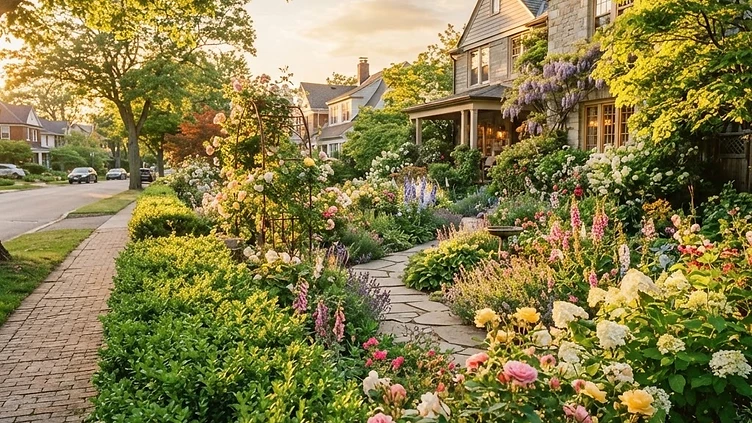
Nature as a suburban sanctuary
As the seasons shift and the challenges of urban living become more apparent, there is a quiet, leafy revolution taking place right on our doorsteps. New research released in October 2026 suggests that the answer to some of our most pressing environmental concerns might be hiding in plain sight: our front . A comprehensive year-long field study, conducted by dedicated experts from the University of Surrey and the University of East , has illuminated the profound environmental benefits of cultivating lush, green spaces over the increasingly common trend of paving them for parking or low-maintenance convenience. This study, which focused on the unique environmental impact of London neighbourhoods, provides homeowners with a powerful, actionable strategy to reclaim their outdoor spaces as a vital first line of defence against the modern burdens of air pollution and rising summer heat. By looking closely at the difference between verdant gardens and those covered in hard surfaces, researchers have provided a compelling case for choosing plants over paving.
The cooling power of green space
One of the most striking findings from the research is the stark difference in temperature between gardens and those with significant . During the scorching summer months, those paved surfaces were discovered to be up to 6C hotter than their green counterparts. This is not merely a matter of personal comfort; it is a significant contribution to the urban heat island effect. This phenomenon, which causes cities to trap and retain heat, leads to higher night-time temperatures that can be difficult for residents to manage. By maintaining green gardens filled with diverse and healthy shrubs, homeowners are effectively helping to lower these local temperatures. It is a simple, yet highly effective, way to create a natural buffer that keeps individual homes cooler and makes our neighbourhoods more liveable when the mercury rises. The research underscores that even modest individual efforts to plant more and pave less can ripple outwards, helping to mitigate the intensity of urban heat.
Barriers against the city air
Beyond the cooling benefits, the study highlights how vital our front gardens are for the air we breathe, particularly in busy urban environments. Researchers analysed gardens positioned near some of the capital's most bustling routes, including the , to gauge how different garden surfaces interact with pollution. The results were clear: gardens featuring abundant vegetation and established hedges recorded the lowest levels of particle pollution. In a city as sprawling and dense as London, where domestic gardens account for approximately 41% of the total land area, this is an incredible opportunity for positive change. A well-placed hedge acts as a functional, natural barrier, potentially reducing the volume of outdoor pollutants that manage to find their way into our homes. By choosing to grow hedges rather than opting for hard landscaping, residents are not just beautifying their street; they are actively improving the quality of the air that enters their living spaces. It is a gentle reminder that nature is often the best technology we have for filtering and protecting our personal environments.
A greener path forward
The findings from this year-long project serve as a clarion call to re-evaluate how we manage our private outdoor spaces. For years, the trend has leaned towards paving over front gardens, often driven by the need for off-street parking or the desire for an aesthetic that requires little attention. However, this study encourages us to pivot away from such practices and consider the wider impact of our domestic choices. The research from the University of Surrey and the University of is optimistic in its scope; it suggests that preserving and enhancing green space is a simple and effective strategy for individual homeowners to rise to the challenge of climate change. It empowers us to see our front gardens not just as empty plots, but as essential pieces of the city's environmental fabric. As we look towards the future, the prospect of greener, cooler, and cleaner neighbourhoods seems well within our reach. Every shrub planted, every hedge cultivated, and every patch of paving removed in favour of greenery contributes to a larger, positive transformation. By prioritising the health of our gardens, we are essentially caring for the health of our homes and the resilience of our cities. It is a heartening message for anyone looking to make a difference: the tools for a healthier life are waiting right outside our front doors, growing in the soil we already possess.
Originally reported by
All rights in the original reporting remain with the publishers below.
Originally reported by theguardian.com. Our feature is written independently from verified facts — please support the original reporting:
Read the original storyRelated Wins

 Culture
‘Ceilidh renaissance’ lures gen Z offline in search of real-life joy
Younger generations are breathing new life into traditional dance as a community-led revival of the ceilidh sweeps through London. This surge in popularity is drawing Gen Z participants offline and into local venues to experience the joy of authentic, shared social connection.
London & South · 2 hours ago

 Sport
BALLON D’OR GLORY FOR LONDON CITY LIONESSES STAR
Spanish football icon and London City Lionesses midfielder Alèxia Putellas has been awarded the prestigious Ballon d’Or Féminin, marking a historic third win for the superstar. The accolade celebrates her exceptional contributions to the sport, including a trophy-laden final season with Barcelona Femení before her high-profile move to the London-based club.
London & South · 2 hours ago

 Environment
COASTAL BIODIVERSITY PROTECTED AS MECHANICAL CLEANING PLAN HALTED
A proposal to introduce heavy mechanical beach cleaning equipment across the Ards and North Down coastline has been blocked by local councillors, prioritising the protection of sensitive marine habitats and wildlife.
Northern Ireland · 8 hours ago
The Sunshine Digest
One bright email each week — verified good news only, unsubscribe in a click.