‘We have been dispossessed’: Nick Hayes on land rights and a peaceful revolution at the real Toad Hall
A peaceful movement to restore public access to nature has found a new focal point at an Oxfordshire riverside, where campaigners are championing the right to reconnect with the landscape. This initiative highlights a growing national conversation about land stewardship and the importance of shared green spaces for community wellbeing.
The story in 20 seconds
20The Right to Roam campaign was co-founded in 2020 by authors Nick Hayes and Guy Shrubsole.
Campaigners estimate that only 8% of the English countryside is currently accessible to the public.
Approximately 97% of rivers in England and Wales are not legally accessible for activities like swimming or paddle-boarding.
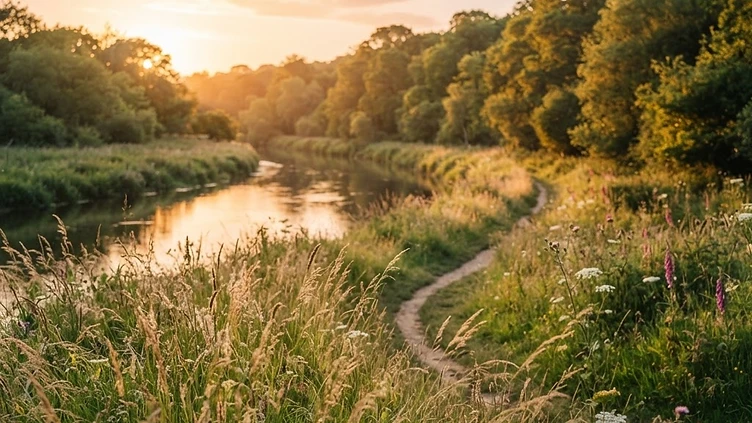
Reclaiming Our Green Horizons In Oxfordshire Along the tranquil bends of the Oxfordshire riverside, a gentle but determined revolution is taking root. It is a movement defined not by conflict, but by the quiet joy of discovery and the human need to feel the earth beneath one's feet. At the heart of this initiative are authors Nick Hayes and Guy Shrubsole, who in 2020 launched the Right to Roam campaign with a vision that echoes across the rolling hills and hidden valleys of England. They invite us to look at our landscape through a new lens, asking why so much of the natural world remains cordoned off from the very people who seek solace and strength within it. This is not merely a request for walking paths; it is a profound reimagining of our relationship with the land itself.
The Stark Reality Of Access The statistics tell a compelling story about the current state of our shared heritage. According to those leading the campaign, a mere eight percent of the English countryside remains open to public exploration. Even more striking is the condition of our waterways, where approximately ninety-seven percent of rivers in England and Wales are locked away from the public, legally inaccessible for those wishing to swim or paddle-board. This sense of being dispossessed is precisely what Nick Hayes explores in his acclaimed works, The Book of Trespass and The Trespasser’s Companion. By digging into the history of land ownership, Hayes and Shrubsole remind us that land was once managed collectively for grazing and fuel long before privatisation reshaped the map. Today, they argue, we are left with a system where half of all land is held by just one percent of the population, leaving the vast majority of citizens looking at the beauty of nature from behind a fence.
A Movement Built On Connection What makes the Right to Roam movement feel so vital and modern is its emphasis on inclusivity, creativity, and the fundamental link between nature and wellbeing. This is a campaign that values diverse voices and seeks to foster a community spirit through the simple act of being outdoors. Through organised gatherings such as mass trespass events in locations like Dartmoor, Cumbria, and Berkshire, the movement has created a visible, peaceful presence. These are not acts of aggression, but celebrations of shared space, grounded in the firm belief that adhering to a strict Countryside Code ensures that our woodlands, rivers, and green belts remain healthy and respected. By prioritising responsible engagement, supporters are showing that public access and environmental stewardship are not mutually exclusive; rather, they are partners in the preservation of our natural assets.
A Legislative Path To The Future The movement has successfully transitioned from local gatherings to the corridors of power, culminating in the introduction of a Right to Roam Bill in Parliament. Supported by figures such as Caroline Lucas, this legislative push signals that the conversation has officially entered the national consciousness. The campaign draws significant inspiration from the Scottish Land Reform Act, which provides a successful blueprint for broader access rights that many advocates believe could flourish south of the border. Whether through the documentary OUR LAND or the ongoing debates held at town halls and riverside meetings, the movement continues to shine a light on the history and future of our connection to the soil.
Towards A Healthier Shared Landscape Looking ahead, the optimism of the Right to Roam campaign is rooted in the tangible benefits for public health and community wellbeing. There is a growing recognition that access to nature is not a luxury, but a vital health measure that supports our physical and mental resilience. When we are granted the right to wander through ancient woodlands or paddle in our local rivers, we are doing more than just exercising; we are reconnecting with the rhythms of the world that sustained our ancestors. This is an invitation to rediscover the common wealth of our landscape. By advocating for a future where the beauty of the English countryside is available to all, regardless of background or status, the campaigners are fostering a renewed sense of belonging. As this movement gains momentum, it offers a hopeful reminder that our collective future depends on our ability to cherish, protect, and share the very ground upon which we live, walk, and grow together.
Originally reported by
All rights in the original reporting remain with the publishers below.
Originally reported by theguardian.com. Our feature is written independently from verified facts — please support the original reporting:
Read the original storyRelated Wins

 Health
South London Golfers Tee Off for Prostate Cancer Awareness
A South London golf club recently hosted a record-breaking charity event where 78 golfers named Mark gathered to raise vital funds for prostate cancer research. The community-driven initiative has already generated £19,000, highlighting the power of local engagement in supporting national health causes.
London & South · 2 hours ago

 Science
CELESTIAL SPECTACLE: UK SKIES LIGHT UP IN RARE AURORA DISPLAY
The United Kingdom was treated to a breathtaking natural light show this past weekend as the aurora borealis made a rare and vivid appearance across the country, visible as far south as Devon, Hampshire, and Kent due to intense solar activity.
London & South · 2 hours ago

 Tech
TechILLUMINATING THE CAPITAL: CANARY WHARF’S WINTER LIGHTS FESTIVAL SET FOR 2027 RETURN
London’s iconic Canary Wharf district is preparing to transform into a glowing open-air gallery once again as its celebrated Winter Lights festival confirms its return for 2027. This free, immersive event will invite visitors to explore a curated trail of large-scale light installations, sculptures, and interactive projections designed by artists from across the globe.
London & South · 2 hours ago
The Sunshine Digest
One bright email each week — verified good news only, unsubscribe in a click.