UK looking to give carmakers incentives to turn EVs into ‘power plants on wheels’
UK electric vehicles are set to become mobile power stations, with new government incentives encouraging manufacturers to integrate technology that allows cars to feed electricity back into the national grid.
The story in 20 seconds
20The UK government is developing incentives for carmakers to adopt vehicle-to-grid (V2G) technology.
V2G systems use bi-directional chargers to allow two-way energy flow between an EV battery and the grid.
The technology helps stabilize the national electricity network by managing demand during peak hours.
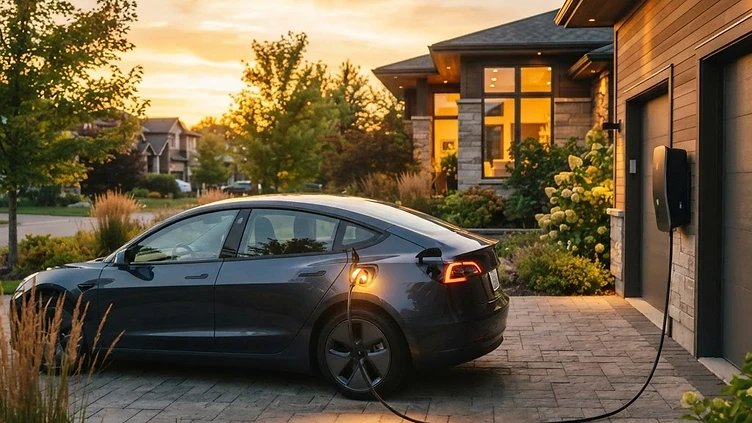
Your Electric Car Is Now A Power Station
In a move that promises to reshape the way we power our lives, the United Kingdom is embarking on a bold new journey toward an interconnected future. By October 2026, the government plans to introduce a suite of fresh incentives designed to encourage automotive manufacturers to embed cutting-edge vehicle-to-grid, or V2G, technology into their newest electric models. This vision transforms the traditional concept of the car from a simple means of transport into a dynamic, mobile power plant. As the number of electric vehicles registered on British roads crosses the two million mark, the potential for these cars to act as a massive, distributed battery network is becoming clear. Rather than merely consuming electricity, these vehicles will soon have the capability to store and return energy to the national grid, marking a significant milestone in how the nation manages its power infrastructure.
A Smarter Way To Power Our Homes
At the heart of this innovation is bi-directional charging. Unlike standard chargers that only move electricity in one direction, V2G technology enables a two-way dialogue between the car battery and the electrical grid. This connectivity allows software platforms to take the lead, automatically optimizing the flow of energy based on the immediate needs of the network. When electricity demand spikes during the busiest hours of the day, these cars can step in to provide stability by discharging stored power precisely when it is needed most. This seamless integration does more than just balance the load; it acts as a crucial support mechanism for integrating renewable energy sources. As pushes to capture more power from wind and solar, the ability to store that energy within the country’s growing fleet of electric vehicles becomes a vital tool in smoothing out the inherent fluctuations of green energy. Beyond helping the grid, this technology also opens doors for users to power their homes directly through vehicle-to-home systems, or even individual devices via vehicle-to-load capabilities.
Saving Money While Supporting The Planet
For the average driver, this shift is set to be a game-changer that makes electric vehicle ownership not only more sustainable but also significantly more affordable. The beauty of this system lies in its ability to empower the individual owner. Through these new incentives, are expected to benefit financially from their contribution to the energy network. By exporting stored electricity back to the grid during periods when market prices are higher, car owners can turn their vehicle into a revenue-generating asset rather than a simple cost. This clever financial model rewards drivers for helping the country move toward a cleaner, more resilient future. It is a win-win scenario that aligns personal savings with national environmental goals. This transition has been bolstered by the success of previous efforts, such as the project, which demonstrated that domestic users could reliably participate in energy balancing. These early trials provided the proof of concept that paved the way for the ambitious, nationwide rollout we see planned for the coming years.
Towards A Greener National Horizon
As we look ahead to 2030, the scale of this initiative becomes even more impressive. With millions of electric vehicles anticipated to be on the road, the aggregate capacity for flexible energy discharging is set to be massive. This is far more than an experiment in automotive convenience; it is a fundamental pillar of a broader, long-term strategy to modernize the electricity infrastructure of the United Kingdom. By embedding this intelligence into the very fabric of our vehicles, the UK is taking a giant leap toward creating an energy-efficient society. The move reflects a deep understanding that the future of transport and the future of energy are inextricably linked. As we embrace these mobile power stations, we are not just upgrading our cars; we are actively participating in the creation of a more stable, renewable-focused national grid. The journey toward October 2026 marks the beginning of a transformation that promises to leave us with a cleaner environment and a more robust, home-grown energy system. As these cars hit the streets, they will carry with them the promise of a brighter, smarter, and more sustainable life for everyone in the UK.
Originally reported by
All rights in the original reporting remain with the publishers below.
Originally reported by theguardian.com. Our feature is written independently from verified facts — please support the original reporting:
Read the original storyRelated Wins

 Sport
London Palladium Hosts Global Football Royalty for Ballon d’Or Ceremony
The 2026 Ballon d’Or ceremony was held at the iconic London Palladium, marking a significant moment for the city as it welcomed the world’s elite players and coaches. The event served as a tribute to the award's history, specifically honouring the inaugural winner, England’s Sir Stanley Matthews.
London & South · 1 hour ago

 Health
Hythe mum seeks help to get life-changing pushchair for young son to "explore the world around him"
A dedicated mother from Hythe is rallying community support to secure a specialist pushchair that will significantly improve the daily life and independence of her 16-month-old son, Rio, who has dwarfism and associated mobility challenges.
London & South · 7 hours ago

 Culture
Museum Strike Halted as Talks Resume
A planned industrial walkout at the Victoria and Albert Museum has been suspended, ensuring that all four London sites will remain open to the public during the upcoming half-term break. This positive development follows a breakthrough in negotiations, with management and trade unions agreeing to enter facilitated discussions to resolve an ongoing pay and conditions dispute.
London & South · 7 hours ago
The Sunshine Digest
One bright email each week — verified good news only, unsubscribe in a click.