Tyrella Beach: Citizen Science Project Tracks Coastal Changes (2026)
A dedicated citizen science project at Tyrella Beach in County Down is empowering local residents to play a vital role in monitoring the health and resilience of their coastline. By contributing essential data on shifting sands and dune restoration, volunteers are helping scientists better understand the impacts of climate change on Northern Ireland’s natural heritage.
The story in 20 seconds
20The project is located at Tyrella Beach, a significant coastal site in County Down, Northern Ireland.
It functions as a citizen science initiative, relying on the participation of everyday beachgoers and local volunteers.
The program is integrated into the global CoCor project, which monitors coastal dynamics worldwide.
Guardian of the Sands
The golden stretch of in County Down has long been a jewel of the Northern Irish coastline, but as we navigate the uncertainties of 2026, this beloved landscape is finding a new kind of protection. A heartening citizen science initiative has taken root here, turning casual beachgoers and dedicated local residents into the frontline defenders of their natural heritage. By blending community spirit with scientific inquiry, the project is creating a detailed, living record of how this precious ecosystem is responding to a changing world. It is a quiet revolution happening on the shoreline, where the simple act of taking a photograph is becoming a powerful tool for environmental stewardship. This initiative is about more than just collecting data; it is about fostering a profound, lasting connection between the people of County Down and the shifting sands they call home. As walk the dunes, they are not merely observing the beauty of the coast, they are actively participating in the global effort to understand and preserve it for the future.
Precision in the Dunes
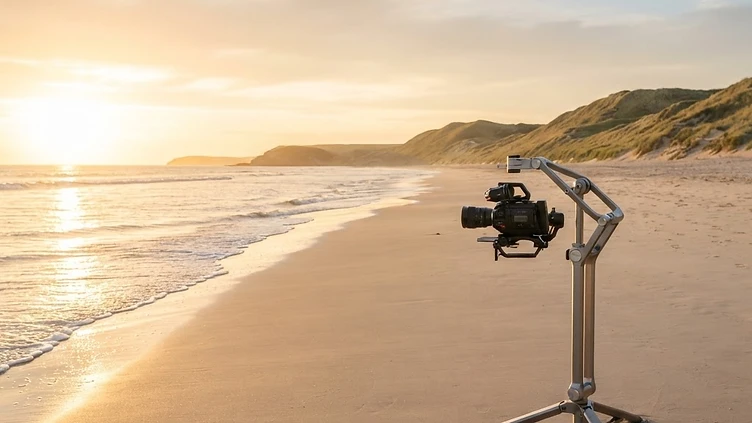
The genius of the project lies in its remarkable simplicity combined with rigorous standards. To ensure that every observation contributes to a meaningful dataset, the initiative employs specialized steel cradles strategically placed across the site. These sturdy frames are designed to hold mobile phones in a fixed, precise position, allowing anyone to capture high-quality, consistent photographic evidence of the landscape. Because each image is taken from the exact same vantage point, scientists can generate a standardized, long-term record that documents the evolving geography of the beach with incredible accuracy. Whether tracking the subtle movement of sand or monitoring the success of dune restoration efforts aimed at fighting erosion, these photographs provide a vital visual diary of the shoreline. By removing the guesswork from field observations, the project empowers amateurs to produce professional-grade information that assists scientists in making much more accurate environmental predictions. This marriage of accessible technology and communal effort has transformed the way we monitor coastal dynamics, ensuring that even the most fleeting changes are captured and understood.
Connecting to a Global Effort
Tyrella Beach does not stand alone in this endeavor. This local effort is an integral part of the global CoCor project, a worldwide network dedicated to monitoring the constant flux of our planet’s coasts. By aligning with this international initiative, the people of County Down are contributing to a much larger story about resilience and adaptation. The data harvested from these dunes serves as a critical local component of a global puzzle, helping experts piece together the broader impacts of climate change, from rising sea levels to the increasing intensity of storm activity. It is a compelling example of how a small, local community can have an outsized impact on the international scientific stage. When a volunteer stops to snap a photo, they are helping to build a comprehensive picture of how our world is shifting. This localized focus, backed by the rigor of global methodology, highlights the immense potential of community-led conservation to protect vulnerable ecosystems that might otherwise be overlooked.
A Brighter Horizon
Looking forward, the impact of this project extends far beyond the tangible data points. It represents a fundamental shift in how we perceive our relationship with the natural environment. By inviting everyone to participate in the scientific process, the initiative has nurtured a culture of vigilance and affection for the coastline. Residents who once saw the dunes as a backdrop to their summer walks now see them as a dynamic, fragile system that requires their care and attention. This sense of ownership is perhaps the greatest success of the program. As the project continues to track the resilience of Tyrella Beach, it serves as a beacon of hope for other communities across the United Kingdom. It proves that when you provide people with the right tools and a clear sense of purpose, they will rise to the challenge of safeguarding the environment. In an era often dominated by talk of climate anxiety, this citizen science project offers a refreshingly optimistic alternative: tangible action, community connection, and a steadfast commitment to the land we love. The sands of County Down are shifting, but thanks to the dedicated volunteers at Tyrella, we are finally keeping pace.
Originally reported by
All rights in the original reporting remain with the publishers below.
Originally reported by indexfire.org. Our feature is written independently from verified facts — please support the original reporting:
Read the original storyRelated Wins

 Science
‘Bespoke’ mRNA vaccine significantly reduces risk of melanoma recurrence or death, clinical trial shows
A groundbreaking clinical trial has revealed that a bespoke mRNA vaccine can significantly reduce the risk of melanoma returning or causing death. By training the immune system to identify and attack unique mutations in a patient's specific tumour, this personalised approach marks a major shift in cancer treatment.
London & South · 7 hours ago

 Science
NEW HOPE FOR PROSTATE CANCER CARE IN WALES
A significant step forward for public health in Wales has been taken as the Senedd officially backed calls to prioritise prostate cancer within the nation’s upcoming healthcare strategy. This move, championed by those with lived experience, aims to ensure that one of the most common cancers affecting men receives the dedicated focus and resources required to improve patient outcomes.
Wales · 1 day ago

 Science
POND ALGAE UNLOCKS SECRETS OF THE HUMAN BRAIN
A microscopic green alga has paved the way for a revolutionary medical breakthrough that recently earned its discoverers the 2026 Nobel Prize in Physiology or Medicine. By studying how this tiny organism uses light to navigate, scientists developed "optogenetics," a powerful tool that allows researchers to control specific brain cells with pulses of light.
London & South · 2 days ago
The Sunshine Digest
One bright email each week — verified good news only, unsubscribe in a click.