THEATRE AUDIENCES EXPLORE THE MEANING OF LIFE IN INTERACTIVE FRINGE HIT
A unique theatrical experience at the Edinburgh Festival Fringe is inviting audience members to step onto the stage and navigate the complexities of a fictional lifetime through a game-based, interactive production titled 'Ten Ways to Die Happy'.
The story in 20 seconds
20Show Title: Ten Ways to Die Happy
Venue: Underbelly Bristo Square (Cowbarn), Edinburgh
Festival: Edinburgh Festival Fringe 2026
A Journey Through Life On Stage As the Edinburgh Festival Fringe 2026 descends upon Scotland, bringing a flurry of creative energy and artistic exploration to the historic city, one production stands out for its bold approach to the human experience. Titled Ten Ways to Die Happy, this interactive theatre performance is capturing the imagination of festival-goers at the Underbelly Bristo Square, specifically within the Cowbarn venue. Running from the 5th to the 31st of August, the show invites those in attendance to move beyond the traditional role of a passive observer and instead step directly into the spotlight to navigate the complexities of a fictional lifetime. Created by Emanuele Aldrovandi and Jacopo Giacomoni, this production transforms the stage into a canvas where the deepest questions of existence are explored through a game-based format. It is a refreshing, deeply human endeavor that encourages everyone involved to engage in a positive reflection on the nature of mortality and the precious, fleeting value of our time.
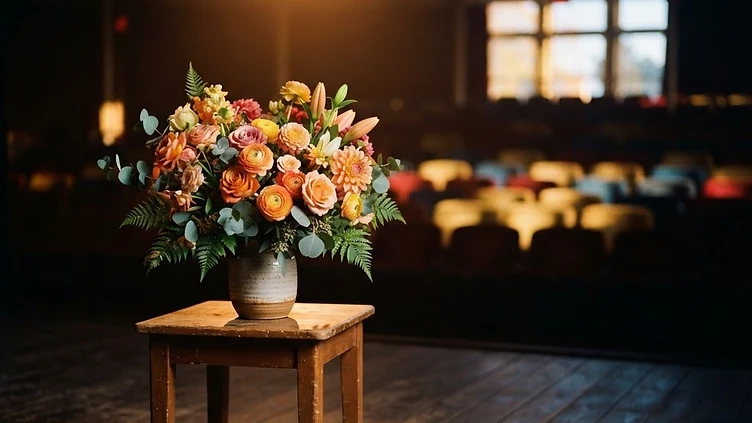
Choosing Your Path To Happiness The mechanics of the performance are as intriguing as its themes. When audience members enter the Cowbarn, they are participating in more than just a play; they are stepping into a structured, interactive game that mirrors the unpredictability of life itself. Ten members of the audience are randomly selected to join the creators on stage, becoming the primary decision-makers for their fictional counterparts. This design creates a unique, participatory atmosphere where the path taken is never the same twice. Each participant is handed flowers that serve as a physical representation of their energy. As the narrative unfolds, these flowers slowly deplete, mirroring how the choices we make—whether driven by love, ambition, security, or the willingness to take a risk—gradually consume the limited resources we have at our disposal. It is a profound metaphor for the finite nature of human existence, translated into a tangible and engaging theatrical ritual that resonates with anyone who has ever pondered the direction of their own life.
Reflecting On Mortality And Growth At the heart of Ten Ways to Die Happy lies a curiosity about how we define a life well-lived. By forcing participants to weigh their options in real-time, Aldrovandi and Giacomoni prompt a quiet, thoughtful meditation on what really matters. Whether one chooses to chase lofty ambitions or seek the safety of a quiet existence, the game highlights how every decision carries a weight and a consequence. Because the participants are regular members of the public, the stakes feel grounded and relatable. There is no pretension here, only a sincere attempt to use the medium of theatre to process the universal realities of living and eventually leaving this world. In a cultural climate that often avoids the topic of death, this show approaches it with both playfulness and dignity, suggesting that our mortality is not a subject to be feared, but a framework that gives our daily actions their urgency and beauty. By turning the experience of aging and decision-making into a game, the creators provide a space where the audience can laugh, think, and ultimately walk away with a fresh perspective on the time they have left.
A Lasting Impression For The Fringe As August progresses, the impact of this performance continues to grow within the vibrant ecosystem of the Edinburgh Festival Fringe. It serves as a reminder that the most compelling art often comes from stripping away the barriers between the performer and the spectator. By involving the audience so intimately, the production fosters a sense of communal discovery. The themes of love and risk are not just discussed; they are enacted through the gentle dwindling of the energy represented by the flowers on stage. This creates a lasting emotional connection that standard narrative shows might struggle to replicate. As we move through the final days of the festival, the success of Ten Ways to Die Happy highlights a broader trend in UK culture: an appetite for experiences that challenge our traditional perceptions of what theatre can achieve. It encourages us to look at our own lives as a series of choices, each one contributing to the unique story we are writing for ourselves. Looking ahead, it is clear that productions like this, which emphasize empathy and shared human experience, will remain a vital part of our cultural landscape. Whether you are one of the lucky ten chosen to take the stage or a member of the audience watching the energy shift and flow, the performance leaves a mark. It invites us to consider our own paths, to cherish the energy we spend, and to seek our own personal ways to die happy, knowing that the journey itself is the true reward.
Originally reported by
All rights in the original reporting remain with the publishers below.
Originally reported by theguardian.com. Our feature is written independently from verified facts — please support the original reporting:
Read the original storyRelated Wins

 Culture
Local Students Bring Spooky Fun to the Stage
Young performers in Mid Cheshire are preparing to delight audiences this October with a lively production of The Addams Family musical, showcasing the dedication and artistic development of local youth.
North of England · 1 hour ago

 Culture
Traitors star Joe Lycett funds free pints at Knutsford bar to support struggling pubs
Comedian Joe Lycett has stepped in to support the local hospitality industry by funding free drinks for patrons at a Knutsford bar. This generous gesture aims to boost footfall and provide a helping hand to a local business during challenging economic times.
North of England · 7 hours ago

 Culture
Croydon Housing Triumph Wins Prestigious National Architecture Award
A visionary council-commissioned housing development in South London has been crowned the winner of the 2026 RIBA Stirling Prize. The project transformed a former car park into a thriving community of 157 homes that seamlessly integrates high-density living with the natural landscape.
London & South · 8 hours ago
The Sunshine Digest
One bright email each week — verified good news only, unsubscribe in a click.