Sustainable Dartmoor Campsite Opens Beside Rare Restored Temperate Rainforest
A new eco-friendly campsite has opened in Lustleigh on the edge of Dartmoor, bordering a recently protected temperate rainforest that has undergone years of successful ecological restoration.
The story in 20 seconds
20The campsite is located at Wray Valley in Lustleigh, situated on the eastern edge of Dartmoor National Park in Devon.
In April 2026, six out of the ten acres at the Wray Valley site were officially designated as a County Wildlife Site.
Temperate rainforests are globally rare and currently cover less than 1% of the total land area in the United Kingdom.
A New Haven Under Devon Skies
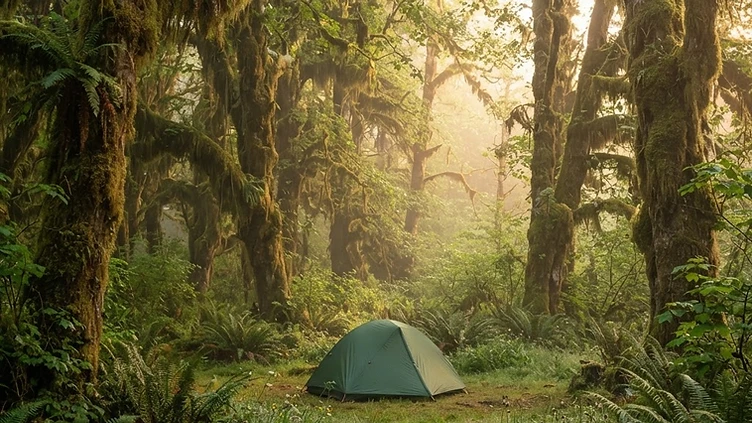
Deep within the picturesque landscapes of Devon, where the rolling beauty of meets the tranquil charm of the Wray Valley, a remarkable new chapter in sustainable tourism has begun. As of 2026, visitors are invited to experience a unique form of connection with the natural world. This new campsite, located in the village of Lustleigh, stands as a testament to the idea that human activity and environmental preservation can exist in harmonious balance. By situating a place of rest directly beside a thriving, restored temperate rainforest, the project invites campers to wake up to the gentle sounds of a habitat that has undergone years of careful, deliberate restoration. It is an invitation to tread lightly, to breathe in the crisp, clean air of the eastern edge of Dartmoor, and to witness firsthand the recovery of a rare and precious ecosystem.
The Rare Beauty of Rainforests
To understand the significance of this site, one must appreciate the rarity of the landscape it calls home. Temperate rainforests are extraordinary pockets of nature, yet they are alarmingly scarce, currently covering less than 1% of the total land area in the . These ecosystems are vital corridors for biodiversity, functioning as lush, green sanctuaries that support a vast array of life. For years, the area bordering the Wray Valley site has been the subject of intensive ecological restoration. This work, conducted by dedicated conservation authorities, has been a labour of love, aimed at nursing the land back to its full, vibrant health. Seeing these habitats flourish serves as a stark reminder of how fragile our natural heritage is, but also how capable we are of aiding its return when we prioritise conservation.
A Sanctuary Designated for Nature
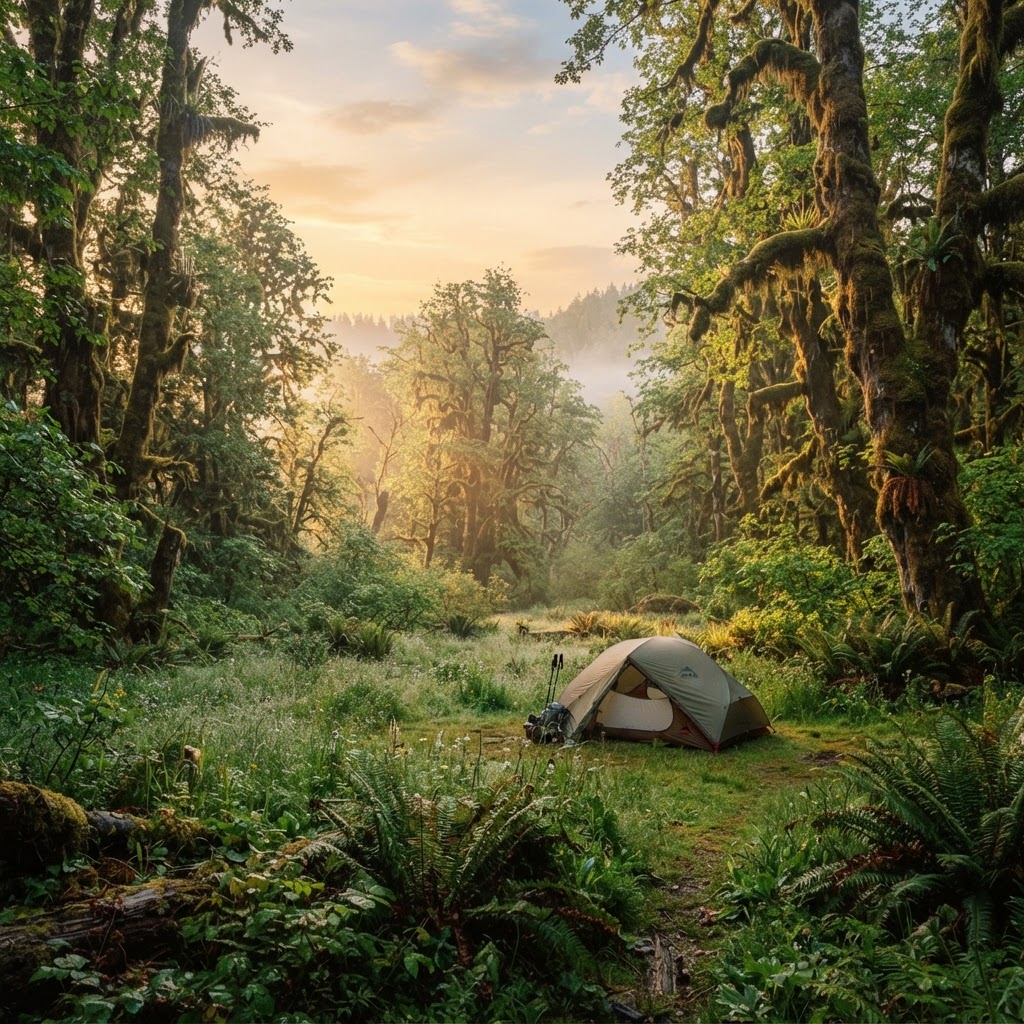
The commitment to this land is not merely symbolic; it is officially recognised. In April 2026, a significant portion of the Wray Valley site—six out of its ten total acres—was formally designated as a . This legal recognition ensures that the most ecologically sensitive areas are protected, providing a safe haven for the flora and fauna that call this temperate rainforest home. This designation acts as a bridge between the land's historical importance and its future potential. By choosing to build a campsite here, the owners have effectively created a living classroom where the public can engage directly with land that has been granted high-level protective status. It transforms the concept of camping from a simple outdoor pastime into a participatory act of supporting biodiversity recovery, allowing guests to witness the results of the successful conservation work that has been underway for years.
Integrating Conservation and Travel
When the campsite officially opened in September 2026, it was celebrated as a benchmark for how we might reconsider the relationship between human leisure and environmental stewardship. The fundamental philosophy driving this venture is that low-impact tourism can actually contribute to the long-term health of an ecosystem rather than diminish it. This is not about building infrastructure that dominates the landscape, but about creating sustainable access points that allow people to develop a deeper, more personal appreciation for the natural world. The project serves as an essential example of how conservation and travel can be successfully integrated, proving that we do not have to choose between experiencing the majesty of our national parks and ensuring their ongoing protection. By providing a low-impact gateway, the site ensures that the beauty of Lustleigh is not just admired from afar, but protected from within.
Advancing the UK's National Goals
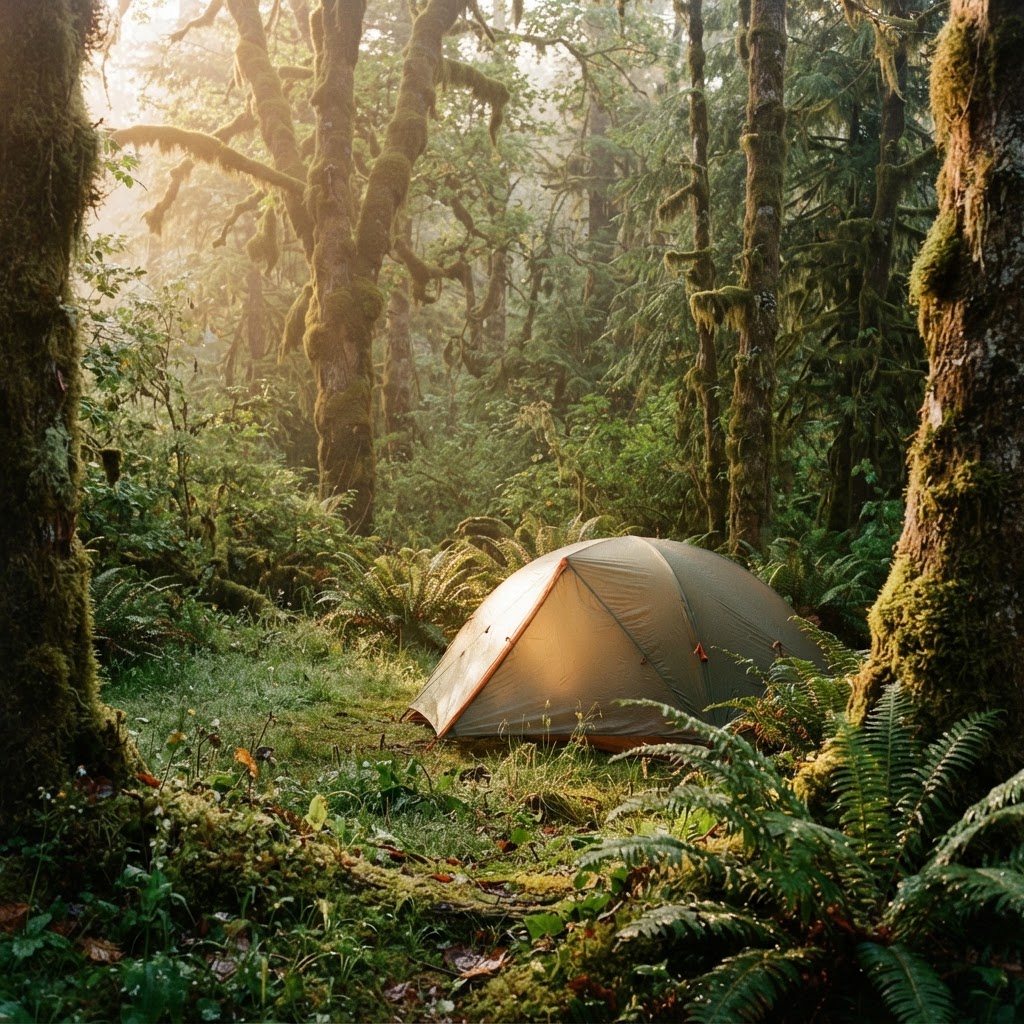
The broader implications of this development are quite profound, particularly when viewed through the lens of national environmental policy. The UK has set an ambitious target known as 30by30, which aims to have 30% of the land protected for nature by 2030. Projects like the one in the Wray Valley are essential components of this national effort. Every acre that is successfully restored and then managed with a focus on ecological health brings the nation closer to this critical milestone. This campsite is not just a destination for travellers; it is a participant in a larger, collective effort to restore the green heart of Britain. It highlights that the responsibility for meeting these ambitious 2030 goals rests on the shoulders of local initiatives, landowners, and conservationists working in partnership to safeguard the future of our rural spaces.
Shaping the Future of Sustainable Leisure
As we look toward the future, the Lustleigh project provides a hopeful blueprint for how other regions might approach their own natural assets. The success of this site demonstrates that there is a growing demand among the public for holidays that align with their environmental values. People are increasingly looking for ways to spend their time off that actively support, rather than exploit, the natural habitats they visit. By centring the experience on a rare, protected temperate rainforest, the campsite has created an opportunity for a deeper, more thoughtful engagement with the environment. It is an optimistic glimpse into a future where travel is defined by the health of the land we explore, and where our presence in nature serves as a catalyst for ongoing ecological restoration and sustained biodiversity growth.
Originally reported by
All rights in the original reporting remain with the publishers below.
Originally reported by theguardian.com. Our feature is written independently from verified facts — please support the original reporting:
Read the original storyRelated Wins

 Sport
SportCHESS PRODIGIES BREAK BARRIERS IN NATIONAL LEAGUE DEBUT
The 'She Plays to Win' Lionesses have made history by competing in the top division of the Four Nations Chess League, marking the culmination of three consecutive promotions. Despite facing unique regulatory challenges regarding team composition, the squad continues to demonstrate exceptional skill and camaraderie at the highest level of British chess.
London & South · 5 hours ago

 Science
NEW PATHWAYS TO DIAGNOSIS: CAMBRIDGE STUDY SHEDS LIGHT ON AUTOIMMUNE HEALTH
A landmark study from the University of Cambridge is paving the way for more accurate medical care by highlighting critical gender disparities in the diagnosis of autoimmune conditions. By identifying how and why these misdiagnoses occur, researchers are providing the evidence needed to ensure patients receive faster, more effective support for their physical health.
London & South · 5 hours ago

 Environment
A NATURAL REVIVAL FOR BARNES GREEN
A major river restoration project has successfully transformed the Beverley Brook at Barnes Green into a thriving, natural habitat. This initiative has introduced a meandering river channel and a new island, significantly boosting local flood resilience and biodiversity.
London & South · 11 hours ago
The Sunshine Digest
One bright email each week — verified good news only, unsubscribe in a click.