SURGICAL BREAKTHROUGH: AI ACTS AS ‘SURGICAL GOOGLE MAPS’ TO SAVE PATIENT’S SIGHT
In a world-first medical achievement, surgeons in London have successfully utilised artificial intelligence to guide the removal of a complex brain tumour, preserving the patient's vision. The innovative technology provided real-time anatomical mapping, allowing the surgical team to navigate safely around critical structures that were previously at high risk of damage.
The story in 20 seconds
20The procedure was performed at the National Hospital for Neurology and Neurosurgery in London.
The patient, 48-year-old Rhys Hibbert, had been facing the potential loss of his eyesight due to the tumour.
The AI system acted as a "surgical Google Maps," providing real-time visual guidance and colour-coding of anatomy during the operation.

A New Dawn for British Surgery In a remarkable breakthrough for medical science, the National Hospital for Neurology and Neurosurgery in London has witnessed a world-first achievement that promises to change the face of neurosurgery forever. In August 2026, a team of pioneering medical experts utilized advanced artificial intelligence to navigate the removal of a complex tumour. This operation, which successfully preserved the vision of 48-year-old patient Rhys Hibbert, serves as a testament to the incredible potential of technology when it works in harmony with human expertise. As we look towards the future of medicine, this London success story highlights how British innovation is redefining safety and precision in the operating theatre.
Rhys Hibbert: A Remarkable Recovery For 48-year-old Rhys Hibbert, the diagnosis of a brain tumour brought the terrifying prospect of permanent vision loss. As a dedicated customer service manager, the thought of losing his sight was a daunting hurdle to face. However, the intervention performed in London proved to be a turning point. Upon waking from the anaesthesia, Rhys reported clear vision, a result that brought immense relief to both the patient and his medical team. The speed of his recovery was equally heartening. Within just one week of the life-saving procedure, Rhys had regained his full mobility and was walking without any external assistance. His swift return to his professional life is a powerful illustration of how the right medical support can restore not just health, but the ability to return to a normal, fulfilling life.
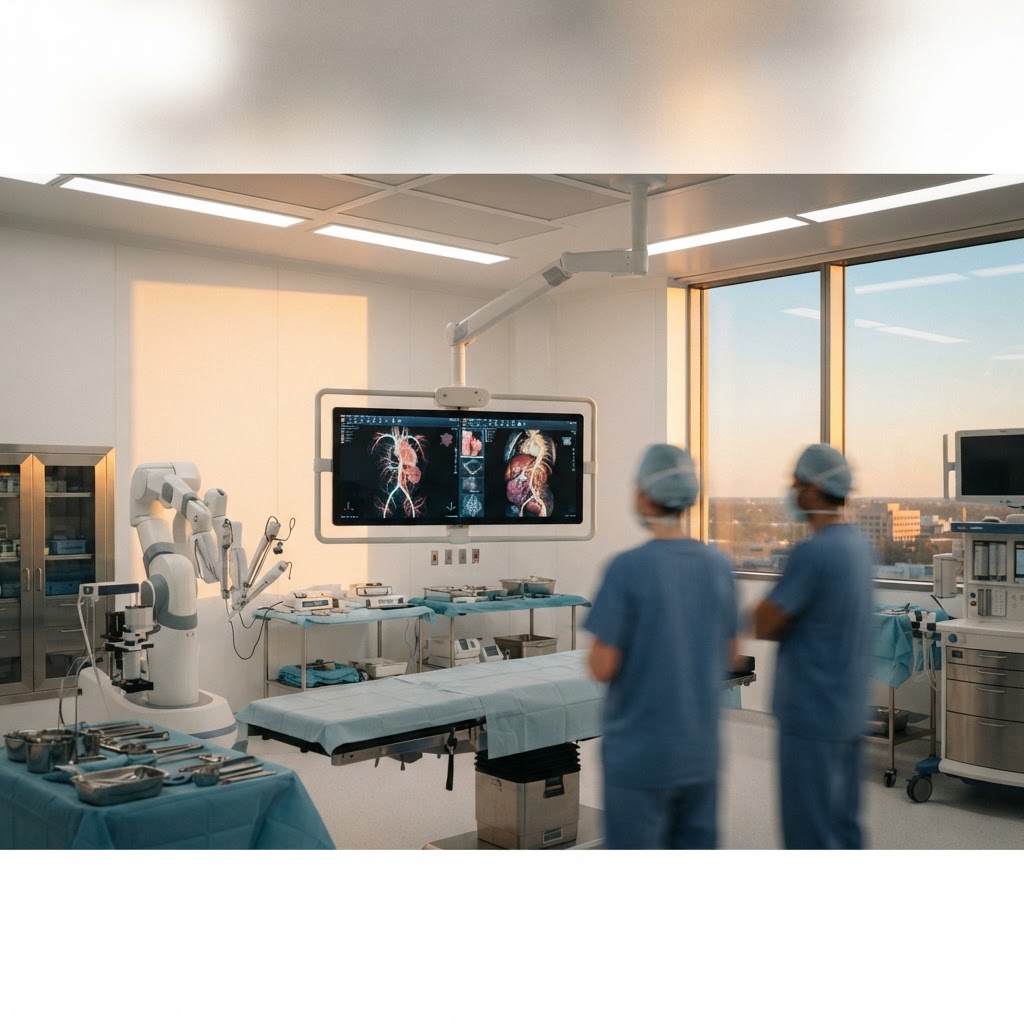
The Surgical Google Maps At the heart of this medical milestone was an AI system designed to act as a "surgical Google Maps." For surgeons, operating on a brain tumour involves navigating delicate, critical structures where the margin for error is razor-thin. By providing real-time visual guidance and colour-coding of internal anatomy during the operation, the software offered a navigation tool that had never been utilized in this capacity before. This technology was not created overnight; it was the result of extensive training based on hundreds of historical surgical videos. By learning from these previous procedures, the AI became an expert partner, helping the surgical team distinguish between healthy tissue and the tumour, thereby ensuring that vital brain structures were kept safe throughout the process.
Dr
and the Power of AI The development of this life-saving system was spearheaded by Dr. Sophia Bano, an associate professor in robotics and AI at UCL. Her vision for the technology was clear: to transform AI from a simple diagnostic tool into a collaborative partner the operating theatre. By integrating robotics and intelligent software, Dr. Bano and her team have demonstrated that AI can provide the kind of real-time anatomical insights that were previously impossible to achieve. This project underlines the strength of UK research, placing British academics at the forefront of global medical robotics. The collaborative effort between the technical team and the surgical staff at the for Neurology and Neurosurgery represents the gold standard for future medical innovation.
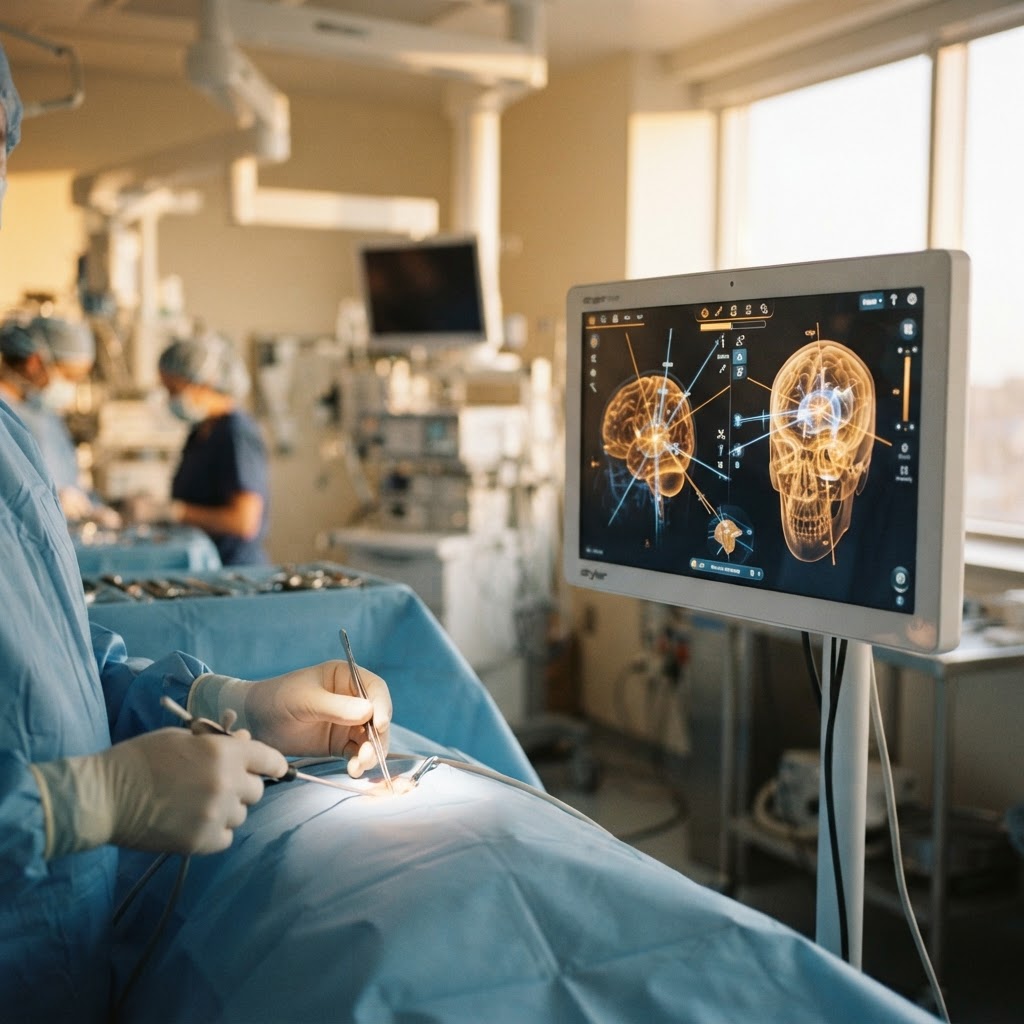
Why This Milestone Matters The success of this operation carries significant implications for the future of healthcare. Traditionally, the primary goal of brain surgery is to remove the growth, but preserving the function of delicate senses like vision presents a unique challenge. This AI-assisted navigation effectively lowered the risks that surgeons typically encounter. By providing a clear, coded map of the brain in real-time, the AI allowed for a level of accuracy that safeguarded Rhys Hibbert’s sight. This success is not just a singular event; it marks a paradigm shift in how we approach complex surgeries. When technology acts as a navigator, it reduces the burden on surgeons, allows for faster decision-making under pressure, and ultimately leads to better patient outcomes.
Expanding the Surgical Frontier The technology used in this London procedure is already being viewed as a blueprint for other areas of medicine. While it was initially tested in the high-stakes environment of brain surgery, researchers are now exploring its application for other complex procedures, such as bowel resections. The ability of the AI to map anatomy in real-time is a universal asset that could be applied across various surgical disciplines. By standardizing this software, hospitals across the UK could potentially improve the safety profile of many high-risk operations. The versatility of this system suggests that we are entering an era where AI becomes a standard fixture in the modern operating room, enhancing the capabilities of surgeons everywhere.
A Future of Collaborative Healthcare This development paints a bright picture of the future of the NHS and the broader UK medical landscape. The narrative of the AI as a "collaborative partner" rather than a replacement for human intellect is crucial. It emphasises that the future of surgery is not about automation replacing experts, but about experts having access to the best possible tools to perform their work. The story of Rhys Hibbert and the team at the National Hospital for Neurology and Neurosurgery serves as an inspiring example of what can be achieved when clinical care is combined with cutting-edge British engineering. As these technologies continue to evolve and receive further testing, the prospect of safer, more efficient surgeries becomes a reality for more patients across the nation. We are witnessing the dawn of a new era where precision, safety, and vision are no longer mutually exclusive, but the standard expectation for surgical care.
Originally reported by
All rights in the original reporting remain with the publishers below.
Originally reported by London neurosurgeons perform first successful AI-assisted operation to remove brain tumour — theguardian.com. Our feature is written independently from verified facts — please support the original reporting:
Read the original storyRelated Wins

 Sport
SportCHESS PRODIGIES BREAK BARRIERS IN NATIONAL LEAGUE DEBUT
The 'She Plays to Win' Lionesses have made history by competing in the top division of the Four Nations Chess League, marking the culmination of three consecutive promotions. Despite facing unique regulatory challenges regarding team composition, the squad continues to demonstrate exceptional skill and camaraderie at the highest level of British chess.
London & South · 3 hours ago

 Science
NEW PATHWAYS TO DIAGNOSIS: CAMBRIDGE STUDY SHEDS LIGHT ON AUTOIMMUNE HEALTH
A landmark study from the University of Cambridge is paving the way for more accurate medical care by highlighting critical gender disparities in the diagnosis of autoimmune conditions. By identifying how and why these misdiagnoses occur, researchers are providing the evidence needed to ensure patients receive faster, more effective support for their physical health.
London & South · 4 hours ago

 Tech
TechNEW SUPERMARKET GREEN-LIT FOR WARWICKSHIRE
A new Lidl supermarket has been granted planning permission in Warwick, marking a significant step forward for local retail infrastructure. The development will transform a vacant industrial site into a modern shopping facility, bringing new investment and convenience to the community.
Midlands · 4 hours ago
The Sunshine Digest
One bright email each week — verified good news only, unsubscribe in a click.