SUNNY OUTLOOK FOR BRITAIN’S WILDLIFE
A pioneering new certification scheme is transforming solar energy sites into thriving biodiversity hotspots, ensuring clean power generation works in harmony with nature. By incentivising developers to implement habitat-friendly management, the initiative is turning industrial land into vital sanctuaries for pollinators and native species.
The story in 20 seconds
20The scheme promotes Biodiversity Net Gain (BNG) as a core requirement for new energy developments.
Solar panels typically remain in place for 25 to 30 years, providing a long-term window for habitats to establish.
Research from existing sites has recorded nearly 3,000 butterflies and bumblebees across monitored locations.
A Greener Future for Britain's Fields
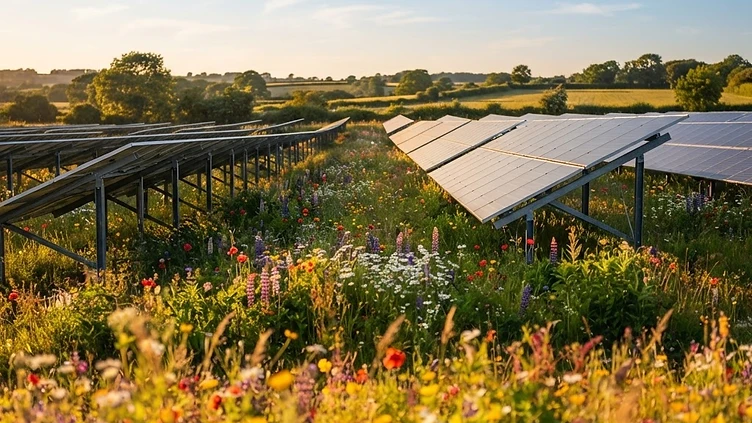
Across the length and breadth of the United Kingdom, a remarkable transformation is taking place beneath the rows of gleaming glass panels that define our modern energy landscape. A pioneering new biodiversity certification scheme is currently reshaping how we perceive farms, turning these essential renewable energy sites into thriving sanctuaries for nature. Rather than being viewed simply as industrial power stations, these locations are being reimagined as vital habitats where clean electricity generation works in perfect harmony with the local environment. This initiative represents a heartfelt commitment to balancing the urgent requirements of our national climate strategy with the equally critical necessity of protecting our country's rich natural heritage. By encouraging developers to embrace habitat-friendly management, we are witnessing a quiet revolution that elevates these sites from mere energy producers to protectors of pollinators and endangered wildlife.
Nurturing Nature Through Design
At the core of this positive movement is the promotion of as a fundamental requirement for all new energy developments. The beauty of this approach lies in the longevity of the infrastructure itself. Because solar panels typically remain in position for twenty-five to thirty years, there is an exceptional, long-term opportunity for habitats to establish themselves and truly flourish without the constant threat of human interference. This window of stability is exactly what nature needs to recover and thrive. Ecological experts are working closely with solar farm operators to ensure that these sites are managed with scientific precision. By using carefully selected native seed mixes, these projects are actively fostering local insect populations, providing them with the floral resources they need to thrive. Furthermore, the land management at these farms often encourages dual-use practices, such as sheep grazing. This clever, traditional method maintains vegetation height effectively, keeping the meadows in perfect condition for wildlife without the need for intrusive heavy machinery that might otherwise disturb the sensitive balance of the ecosystem.
Proof of a Blooming Success
The results of this collective effort are already becoming abundantly clear through , data-driven monitoring. conducted across existing solar sites has yielded truly heartening figures, with nearly three thousand butterflies and bumblebees recorded in monitored locations. Even more impressively, detailed have identified twenty-nine distinct species of pollinators making their homes within these solar-powered meadows. The reach of this conservation work extends well beyond insects. Observational have confirmed that these sites are now providing crucial sanctuary for bird species that were previously facing precarious futures. Among the visitors benefiting from these protected havens are skylarks and nightingales, both of which appear on the Amber and Red Lists of conservation concern. The tangible progress is particularly evident in specific regions across the country. In , one project has reported an astonishing one hundred and twenty-three percent increase in habitat units, while a project in has demonstrated a forty-one percent boost in overall biodiversity. These figures are not just numbers on a page; they represent a significant win for local ecosystems that have finally been given the space and support to recover.
An Optimistic Path Forward
The success of this certification scheme highlights a sophisticated approach to land use, known as adaptive management. By continuously monitoring the sites, experts can refine their habitat strategies based on the actual presence of different species. This ensures that the efforts remain responsive to the needs of the wildlife, allowing for dynamic adjustments that benefit the environment in real time. This initiative is backed by a broad coalition of ecological experts and industry bodies who are dedicated to ensuring that our transition to green power is as beneficial for nature as it is for our energy security. It is a powerful example of how scientific rigour can bridge the gap between our pressing need for renewable energy and our duty to preserve the wild, buzzing life that makes the British countryside so special. As we look ahead, the outlook for Britain’s wildlife in these areas is increasingly sunny. By embedding biodiversity into the very blueprint of our energy infrastructure, we are ensuring that the fields of the future remain as wild and vibrant as they are productive. This scheme is not merely an environmental policy; it is a promise that our progress towards a cleaner, greener energy future will be walked hand-in-hand with the protection and restoration of the native species that define our natural world. With every new site certified and every meadow restored, we are building a more resilient landscape where technology and nature coexist in a sustainable, prosperous, and truly flourishing partnership.
Originally reported by
All rights in the original reporting remain with the publishers below.
Originally reported by The new certification scheme helping solar farms become havens for wildlife. Our feature is written independently from verified facts — please support the original reporting:
Read the original story- The new certification scheme helping solar farms become havens for wildlife
- The new certification scheme helping solar farms become havens for wildlife
- Solar farm wildlife: 'A vision of hope', says government's chief climate adviser
- Sunny shareholder visit to Dunmow solar farm – here are the highlights
Related Wins

 Health
Kent couple share how they enjoyed 'affordable luxury' dream wedding for less than £9000
A Kent couple has demonstrated that a memorable wedding does not require a massive financial outlay, successfully hosting their dream celebration for under £9,000. By prioritising personal touches and smart budgeting, they managed to create a special day that remained well within their means.
London & South · 31 mins ago

 Environment
NEW GREEN GROWTH STRATEGY FOR THE EAST MIDLANDS
A major regional investment plan is set to transform the East Midlands by prioritising sustainable development and environmental restoration alongside economic growth, aiming to protect local green spaces while fostering a cleaner, more resilient future for communities across Derbyshire and Nottinghamshire.
Midlands · 32 mins ago

 Sport
Clinical Arsenal earn precious win against Everton thanks to Konsa and Gabriel
Arsenal secured a vital 2-0 win against Everton on Saturday, with goals from centre-back partners Ezri Konsa and Gabriel Magalhães keeping the club firmly in the Premier League title race. The victory at the Emirates Stadium moves the Gunners level on points with league leaders Manchester City, maintaining their strong start to the 2026-27 campaign.
London & South · 33 mins ago
The Sunshine Digest
One bright email each week — verified good news only, unsubscribe in a click.