STARRY SPLENDOUR CELEBRATED AS GLOBAL NIGHT SKY PHOTOGRAPHY WINNERS REVEALED
The 2026 Capture the Dark photography contest has unveiled its winning images, showcasing the breathtaking beauty of the cosmos and the vital importance of preserving dark skies. This annual event highlights a growing global movement to protect the night environment from light pollution through stunning visual storytelling and scientific advocacy.
The story in 20 seconds
20The 2026 Capture the Dark photography contest is the sixth edition of this annual international event.
The competition is hosted by DarkSky International, a global non-profit recognized as the leading authority on light pollution.
For the 2026 edition, the contest received a total of 2,288 individual submissions.
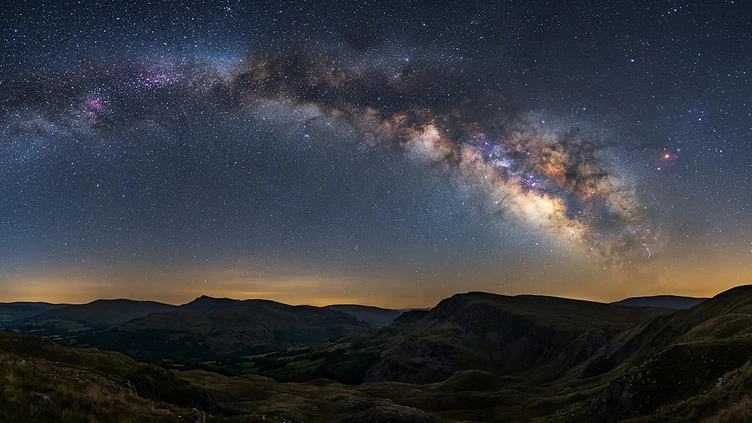
A Global Celebration Under the Stars
As the golden hues of an sunset fade into the gentle embrace of twilight, our attention this month has been d by a truly luminous display from across the globe. August 2026 marks the arrival of the sixth annual Capture the Dark photography contest, an event that has transformed how we perceive the silent, velvet expanse above our heads. Hosted by , a non-profit organisation widely recognised as the leading authority on the growing issue of light pollution, this year’s competition has once again invited us to look upward with renewed wonder. The results, officially unveiled to the public on the 20th of August, serve as a breathtaking reminder that the cosmos is a shared heritage, one that demands our respect and protection. From the initial announcement by DarkSky International in mid-August to the beautiful gallery showcased in the UK, the images tell a story of connection, light, and the urgent need to shield our natural night environment. It is heartening to see that the competition, which remains entirely free to enter, is open to individuals of all ages and levels of expertise, fostering a spirit of inclusivity that makes the beauty of the stars accessible to everyone.
The Art of Saving the Night
The 2026 edition of this global challenge saw an incredible response, with 2,288 individual pouring in from representing 30 different countries. This swelling tide of participation is not merely a testament to the rising interest in the craft of astrophotography; it is a clear signal that people across the globe are deeply invested in the state of our night skies. Judges for the competition are faced with the difficult task of selecting winners that excel not only in technical photographic brilliance but also in their ability to convey the vital message of dark sky conservation. Among the various categories, one stands out for its poignancy: ' to the Dark.' This category invites creators to document the human relationship with the night, reminding us that we are part of a larger ecological fabric that thrives under the cover of darkness. By capturing the rare celestial alignments and deep-space objects that only become visible in truly pristine environments, these photographers are providing essential visual storytelling. They are showing us exactly what we stand to lose if we do not manage our artificial lighting more effectively. The winning images are more than just wall-worthy art; they serve as a powerful tool in educational campaigns led by DarkSky International to highlight the ecological and cultural necessity of a dark night.
The UK Perspective on Dark Skies
While the competition is a global movement, its implications for the United Kingdom are particularly resonant. We are fortunate enough to be home to several protected areas known as , including the rugged, windswept landscapes of Snowdonia, the rolling hills of Exmoor, and the majestic vistas of the . These regions stand as beacons of hope, proving that it is possible to preserve the natural darkness even in a modern world. The preservation of these sites is a central aim of the photography contest, which advocates for policies and practices that safeguard our view of the heavens. For many, the concept of a dark sky is often associated with the awe-inspiring sight of the Milky Way, yet the impact of protecting these zones is grounded in science as much as it is in beauty. Scientists have raised significant concerns regarding the steady encroachment of light pollution, noting that it creates a skyglow that obscures our ability to study the universe and, more critically, disrupts the natural behaviour of nocturnal wildlife. By showcasing what is possible when we manage our lighting responsibly, the Capture the Dark contest promotes the widespread adoption of 'dark-sky friendly' solutions. These simple yet effective measures, such as directing light firmly downward, help us curb the glare that spills into the atmosphere unnecessarily.
Looking Forward to a Brighter Future
The steady growth of the Capture the Dark competition since its inception offers a truly optimistic outlook for the future. As more people engage with the night through the lens of a camera, they become ambassadors for the conservation of the dark. This shift in perspective is exactly what is needed to ensure that future generations can experience the same sense of mystery and inspiration that the night sky has provided to humans throughout history. By valuing the night for its ecological and aesthetic worth, we can reclaim a natural rhythm that has been lost in the glow of our expanding cities. As we move beyond the excitement of the 2026 winners, the conversation about our night environment continues to evolve. It is an invitation for all of us to consider our own surroundings and the simple steps we can take to keep our skies clear and our nocturnal ecosystems thriving. Whether through professional photography or simply taking a moment to look up from a backyard in a protected dark sky area, we are all part of a growing movement to protect the starlight. The success of this year’s event confirms that the spirit of discovery is alive and well, and as long as there are eyes turned toward the heavens, the importance of protecting the dark will remain a guiding light for us all.
Originally reported by
All rights in the original reporting remain with the publishers below.
Originally reported by Capture the Dark 2026: Winning photographs. Our feature is written independently from verified facts — please support the original reporting:
Read the original storyRelated Wins

 Sport
SportCHESS PRODIGIES BREAK BARRIERS IN NATIONAL LEAGUE DEBUT
The 'She Plays to Win' Lionesses have made history by competing in the top division of the Four Nations Chess League, marking the culmination of three consecutive promotions. Despite facing unique regulatory challenges regarding team composition, the squad continues to demonstrate exceptional skill and camaraderie at the highest level of British chess.
London & South · 4 hours ago

 Science
NEW PATHWAYS TO DIAGNOSIS: CAMBRIDGE STUDY SHEDS LIGHT ON AUTOIMMUNE HEALTH
A landmark study from the University of Cambridge is paving the way for more accurate medical care by highlighting critical gender disparities in the diagnosis of autoimmune conditions. By identifying how and why these misdiagnoses occur, researchers are providing the evidence needed to ensure patients receive faster, more effective support for their physical health.
London & South · 4 hours ago

 Environment
A NATURAL REVIVAL FOR BARNES GREEN
A major river restoration project has successfully transformed the Beverley Brook at Barnes Green into a thriving, natural habitat. This initiative has introduced a meandering river channel and a new island, significantly boosting local flood resilience and biodiversity.
London & South · 10 hours ago
The Sunshine Digest
One bright email each week — verified good news only, unsubscribe in a click.