South London Communities Celebrate as Historic Estates Escape Demolition
Residents of two iconic 1960s housing estates in Lambeth are celebrating after the local council officially abandoned long-standing plans to demolish their homes. The decision marks a significant shift in local policy, prioritising the preservation of existing communities and the refurbishment of current housing over large-scale redevelopment.
The story in 20 seconds
20Estates saved: Central Hill (Crystal Palace) and Cressingham Gardens (near Brockwell Park).
Duration of uncertainty: Over 12 years of potential demolition threats.
Decision date: The policy change was confirmed by the Lambeth Council Cabinet on 21 October 2026.
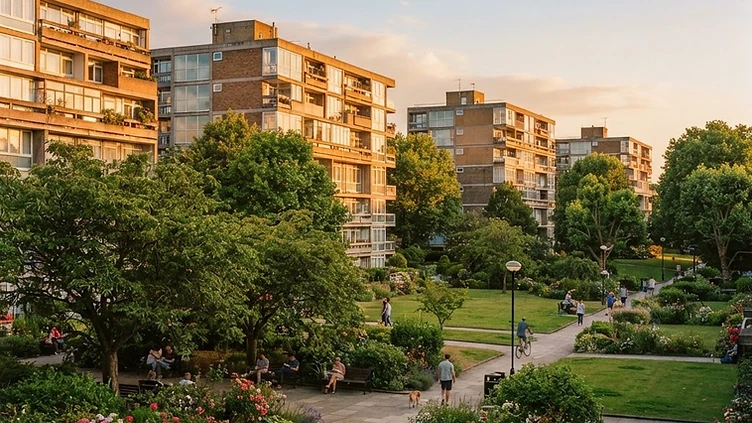
A New Dawn for South London Estates
For over twelve long years, the residents of some of Lambeth’s most cherished post-war housing estates lived under a cloud of uncertainty. The threat of demolition hung heavy over Central Hill in Crystal Palace and near the leafy expanse of Brockwell Park, casting doubt on the future of these vibrant, ly distinct communities. Yet, on 21 October 2026, that period of anxiety finally drew to a close. In a landmark move that has sent ripples of relief through South London, the officially confirmed that the bulldozer would not be coming for these homes. This decision marks a profound departure from previous strategies, signalling a shift that places the preservation of established communities and the long-term integrity of existing housing stock at the heart of local governance. By abandoning these long-standing demolition plans, the council has acknowledged the immense value in protecting the homes that define the character of the borough.
The Triumph of Community Resilience
The victory is, above all, a testament to the unwavering dedication of local residents. For more than a decade, the people living in Central Hill, Cressingham Gardens, and in Kennington have campaigned tirelessly to protect their neighbourhoods. These individuals were not merely defending bricks and mortar; they were fighting for the social fabric of their communities. The architectural legacy of these sites, designed by a team of dedicated Lambeth architects, has now been secured for the future. The inclusion of Knights Walk in this removal from the redevelopment programme serves as further proof that the council is listening to those who know these estates best. This campaign stands as a powerful example of how persistent, -led advocacy can successfully challenge the status quo, ensuring that families and neighbours can remain rooted in the places they call home. It is a moment of profound vindication for everyone who kept the faith during the long years of deliberation and uncertainty.
A Sustainable Path Forward
The shift in policy goes beyond simply avoiding demolition; it represents a embrace of sustainability. Faced with the reality that large-scale redevelopment was financially unviable, the council has pivoted toward a model of full refurbishment and retrofitting. This approach acknowledges that the most sustainable building is often the one already standing. By choosing to upgrade existing structures, the council aims to significantly improve energy efficiency and air quality, modernising these 1960s developments to meet the demands of the future without erasing their history. This strategy serves as an important lesson for housing authorities across the UK, demonstrating that complex housing challenges do not always require a clean slate. Instead, by ing on the adaptive reuse of existing buildings, local governments can achieve meaningful progress while honouring the existing environment. Furthermore, the council has committed to returning long-empty properties to active use, providing a pragmatic and immediate solution to increase housing availability within the borough. This shift away from demolition as the default solution represents a significant evolution in urban planning, one that prioritises responsible stewardship of public assets.
Looking Toward a Brighter Future
While the decision to preserve these specific estates is a cause for celebration, the conversation around housing in Lambeth continues to move forward. The council has expressed a clear intention to continue its work, setting its sights on new projects such as the estate, where the focus will be on delivering new, genuinely affordable homes in partnership with residents. This forward-looking attitude ensures that the lessons learned from the successful protection of Central Hill and Cressingham Gardens will inform future initiatives. The focus remains on delivering high-quality, stable living conditions for the community. The people of South London can now look to the future with a renewed sense of security, knowing that their homes have been protected from unnecessary destruction. As the dust settles on the former demolition plans, the priority now shifts to the practical work of retrofitting and renewal. It is a time for optimism, reflecting a successful collaboration between the council and its residents to forge a path that values heritage, sustainability, and the fundamental right to remain within one’s community. This is a story of how persistence wins, and how the future of housing can be built on the foundations of the past.
Originally reported by
All rights in the original reporting remain with the publishers below.
Originally reported by Lambeth housing estates saved from demolition and redevelopment — mylondon.news. Our feature is written independently from verified facts — please support the original reporting:
Read the original storyRelated Wins

 Health
Lambeth housing estates saved from demolition and redevelopment
South London communities celebrate as Lambeth Council abandons plans to demolish the Central Hill and Cressingham Gardens estates, shifting focus to refurbishment and community preservation.
London & South · 1 hour ago

 Culture
Hackney’s Reborn Yard Theatre Opens Doors with Star-Studded Season
The Yard Theatre has successfully completed its transition from a temporary warehouse space into a permanent, architecturally significant venue in Hackney Wick. This ambitious £4 million project ensures the theatre can continue its mission of providing accessible, high-quality arts programming to the local community and beyond.
London & South · 1 hour ago

 Science
PEDALS AT THE READY: WEST LONDON CYCLING LESSONS TO RETURN
A popular community initiative providing free cycle training is set to resume in the new year, offering residents a renewed opportunity to build confidence on two wheels. The programme, which helps people of all abilities navigate local roads safely, will restart following a period of service interruptions.
London & South · 1 hour ago
The Sunshine Digest
One bright email each week — verified good news only, unsubscribe in a click.