Peatland Restoration and Sustainable Farming Drive Northern Ireland’s Nature Recovery
Small-scale, collaborative conservation projects in Northern Ireland are effectively restoring degraded peatlands and improving water quality through community-led initiatives, providing a scalable model for broader environmental recovery.
The story in 20 seconds
20Project Focus: Restoration of peatlands and reduction of herbicide usage in agricultural catchments.
Key Locations: Antrim Hills and the Lough Derg catchment.
Collaborators: Local farmers, executive departments, and environmental stakeholders.
A New Dawn for Northern Ireland
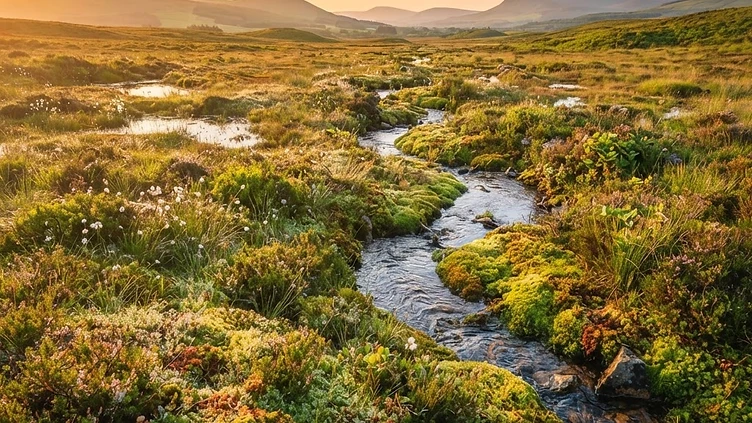
Across the rolling vistas of Northern Ireland, a quiet revolution is taking root in the soil. It is a story not of grand, sweeping mandates from distant offices, but of something far more profound: a grassroots resurgence led by those who know the land best. From the windswept heights of the to the vital waters of the Lough Derg catchment, local farmers are working hand-in-hand with environmental stakeholders and executive departments to heal landscapes that have suffered decades of degradation. This is a tale of , one that breathes life into the very fabric of our countryside while setting a bold, scalable blueprint for environmental recovery across the United Kingdom.
Partners in Preservation
At the heart of this movement is a collaborative spirit that bridges the traditional divide between agricultural productivity and ecological stewardship. The project draws strength from the unity of its participants, including local farmers who serve as the primary custodians of the land, supported by the expertise of the Northern Ireland Environment Forum. By bringing together these diverse groups, the initiative ensures that environmental policy is not merely imposed, but practiced. These stakeholders understand that the health of the economy and the health of the ecosystem are inextricably linked. By working in concert, they are transforming the way we perceive sustainable farming, moving away from extractive practices and toward a model of active regeneration that benefits all of society.
Healing the Peatlands
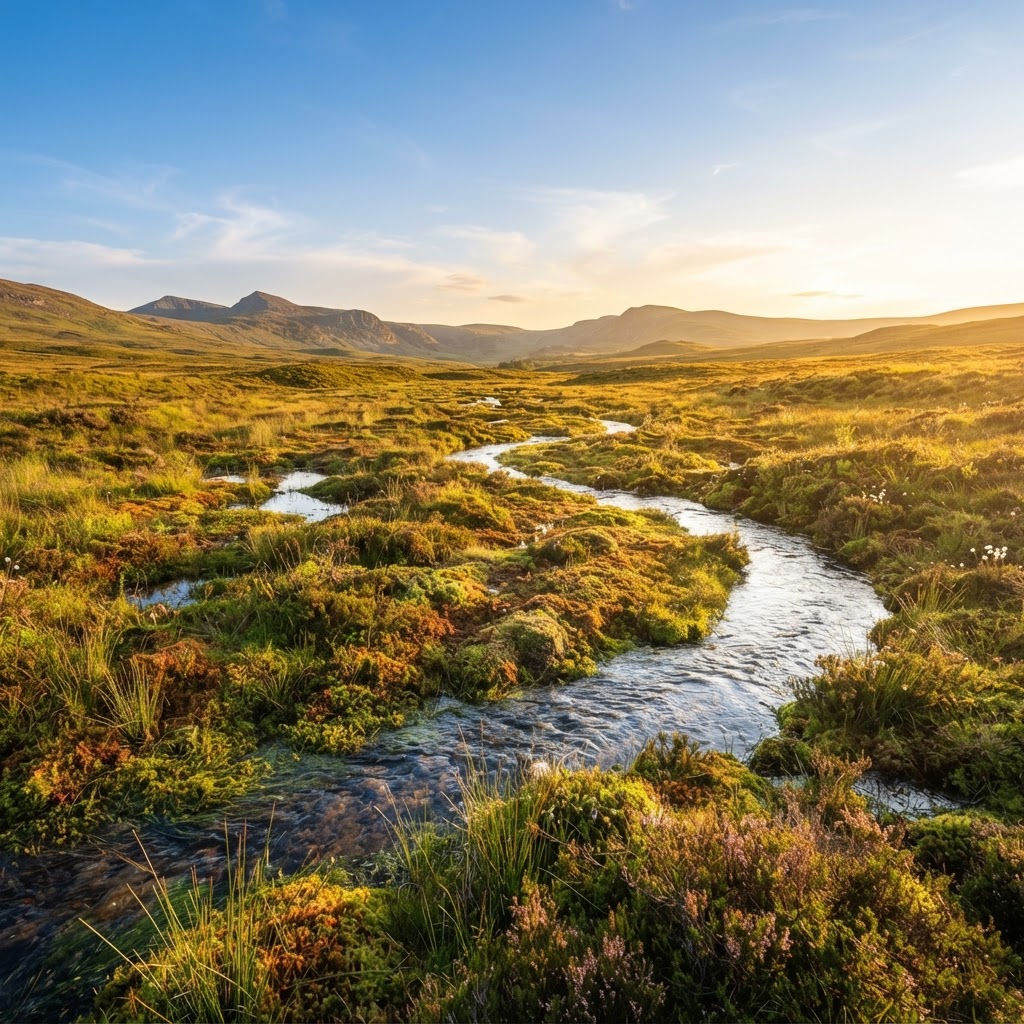
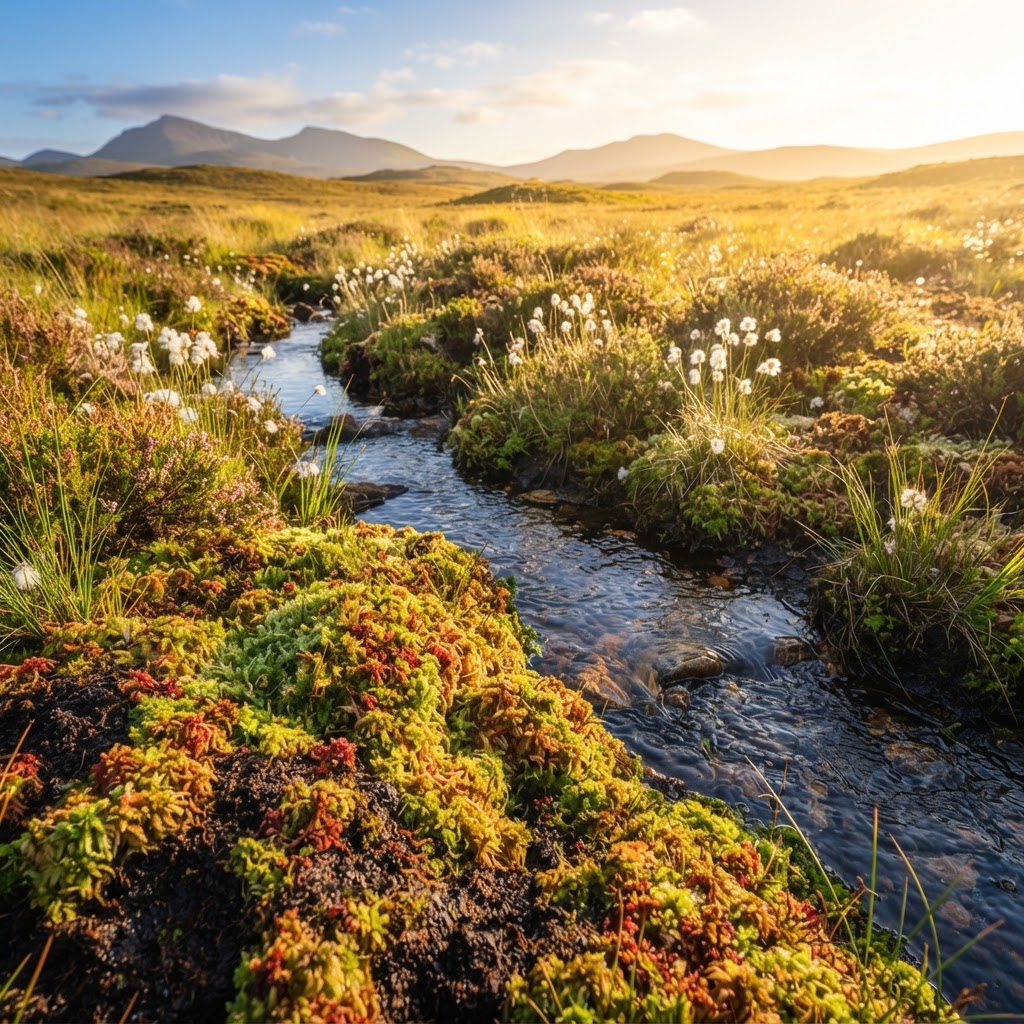
Peatlands are the silent giants of the natural world, acting as massive carbon stores and essential regulators of our water systems. Yet, for too long, many of these precious areas in Northern Ireland have remained in a degraded state, their natural functions hampered by historical pressures. Now, through targeted interventions, these landscapes are being brought back to life. The restoration process is meticulous and purposeful, focusing on stabilizing the soil and restoring the hydrology that peatlands require to thrive. As these damp, rich soils begin to recover, they regain their ability to support unique biodiversity, effectively acting as the lungs of the region. The impact on water quality is perhaps the most immediate triumph, as cleaner water flows from these restored catchments into our wider river systems.
Reducing the Agricultural Footprint
Sustainable farming is not just a catchphrase; in the Antrim Hills and the Lough Derg catchment, it is a practical, day-to-day commitment to changing how we produce food. A significant element of this recovery mission involves a deliberate and measurable reduction in herbicide usage within agricultural catchments. By shifting away from synthetic chemical dependence, farmers are helping to safeguard the delicate balance of the local ecosystem. This transition reflects a broader awareness of the of modern agriculture. By fostering healthier soils and reducing the chemical load on our catchments, these communities are ensuring that the land remains productive and resilient for generations to come, proving that agriculture and conservation can indeed walk side by side.
The Climate Change Act Context
These ongoing initiatives do not exist in a vacuum; they are firmly grounded in the legislative framework of the (Northern Ireland) 2022. This policy provides the necessary structure to turn local ambition into regional action. By aligning community efforts with national targets, these projects ensure that every hedge planted, every peatland restored, and every hectare managed sustainably contributes to a greater goal. The act serves as a reminder that environmental recovery is not a suggestion, but a collective responsibility enshrined in law. It provides the security and policy support that allows these pioneering efforts to thrive, demonstrating that when community action meets strong political will, the results can be truly transformative.
A Blueprint for the Future
Why does this work in Northern Ireland matter so much to the rest of the UK? The answer lies in its scalability. The projects currently underway represent a successful, evidence-based model that could be replicated in other regions struggling with similar ecological challenges. By demonstrating that targeted, community-led action can successfully reverse environmental decline, these farmers and stakeholders have provided a roadmap for others to follow. This is not just about cleaning up a catchment or restoring a patch of bog; it is about rewriting the social contract between humanity and the environment. The lessons learned here are invaluable for future regional ecological policy, emphasizing that local knowledge is as critical as scientific research.
An Optimistic Outlook
Looking ahead, the outlook for Northern Ireland’s environment is one of quiet, steady hope. As the restoration of degraded natural landscapes continues, we are witnessing the return of ecological health to areas that were once considered beyond help. The success of the current collaborative projects provides a beacon of progress in an era where environmental news can often feel overwhelming. By focusing on what can be achieved through partnership, communication, and a shared commitment to the land, these communities are demonstrating a better way forward. The story of Northern Ireland’s nature recovery is a testament to the fact that it is never too late to make things right. With the continued support of the Northern Ireland Environment Forum and the dedication of the farming community, the future of our natural heritage is in very safe hands, offering a bright, flourishing vision for a country that knows exactly how to cherish its most precious resource: the land itself.
Originally reported by
All rights in the original reporting remain with the publishers below.
Originally reported by Environmental plan is largely off track, warns watchdog. Our feature is written independently from verified facts — please support the original reporting:
Read the original storyRelated Wins

 Environment
A NATURAL REVIVAL FOR BARNES GREEN
A major river restoration project has successfully transformed the Beverley Brook at Barnes Green into a thriving, natural habitat. This initiative has introduced a meandering river channel and a new island, significantly boosting local flood resilience and biodiversity.
London & South · 11 hours ago

 Environment
A "Nature Ring" for London: Ambitious Green Corridor Takes Root
A visionary 25-year project is underway to encircle the capital with a continuous 200km green corridor, transforming the city’s outer edges into a thriving habitat for both wildlife and residents. By connecting existing green spaces with new orchards, hedgerows, and woodlands, the initiative aims to restore biodiversity and provide nature-deprived communities with improved access to the outdoors.
London & South · 1 day ago

 Environment
'Outstanding' school 'over-capacity' to move and expand from Bermondsey to Peckham
A highly-rated special school is set to expand its capacity and move into a modern, sustainable facility to better support children with complex needs. This relocation will provide 21 additional places for pupils, ensuring more families have access to high-quality, purpose-built educational environments.
London & South · 1 day ago
The Sunshine Digest
One bright email each week — verified good news only, unsubscribe in a click.