Northern Ireland sees big rise in science and innovation funding – UKRI
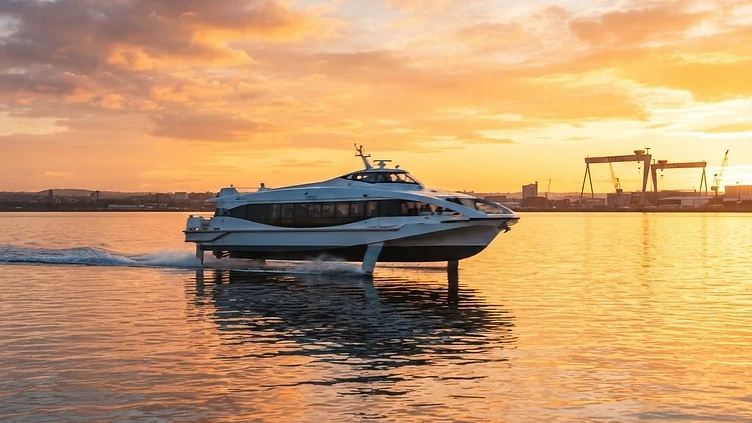
Belfast’s maritime sector is pioneering a green revolution by developing zero-emission hydrofoil ferries. This initiative leverages the city’s historic shipbuilding expertise to transform the harbour into one of the world’s most environmentally friendly ports.
The story in 20 seconds
20The project focuses on the decarbonisation of marine transport within Belfast Harbour.
It utilises advanced hydrofoil technology to create ferries that produce zero emissions.
It is projected to generate over 1,000 new jobs in the region over the next decade.
A Green Maritime Renaissance for Belfast
There is a palpable sense of transformation sweeping across the historic docks of . , a location once synonymous with the towering cranes and industrial might of traditional shipbuilding, is now at the epicentre of a pioneering green revolution. By marrying the city’s deep-rooted maritime heritage with the cutting-edge demands of the modern era, local experts are redefining what it means to be a modern port. This shift is not merely an aesthetic change or a minor technological adjustment; it represents a fundamental pivot toward environmental sustainability that promises to place Belfast at the forefront of the global movement for cleaner marine transport.
At the heart of this exciting development is a project dedicated to the total decarbonisation of marine transport within these famous waters. The initiative, supported by a significant surge in regional science and innovation investment, is turning the harbour into a testbed for tomorrow’s technologies. By focusing specifically on the development of zero-emission hydrofoil ferries, engineers are proving that the future of travel on our seas does not have to come at the cost of the environment. This is a bold, forward-thinking ambition that respects the history of the region while fearlessly embracing the technological requirements of the twenty-first century.
Leading the Way with Hydrofoil Innovation
Central to this transformation is the sophisticated application of hydrofoil technology. These vessels, which lift clear of the water’s surface to minimise drag and improve energy efficiency, offer a glimpse into a future where transport is both seamless and sustainable. By creating ferries that produce zero emissions, the Belfast maritime sector is actively tackling the challenge of pollution in our ports. This technological leap serves as a testament to the local ingenuity that has long defined the Northern Irish workforce, proving that the skills forged in the past are just as vital when it comes to solving the ecological puzzles of the future.
This project is not an isolated endeavor but part of a wider trend of growth in Northern Ireland. Recent data indicates that the region has seen a remarkable 43% increase in science and innovation funding, a figure that highlights a strong commitment to long-term progress. With the backing of UK Research and Innovation, or UKRI, this influx of resources is ensuring that the ideas currently being tested in the harbour have the necessary support to move from theory to reality. It is a powerful example of how strategic investment can fuel local ambition and transform a regional landmark into a globally significant hub for green technology.
Economic Prosperity and Future Growth
Beyond the technical brilliance of these zero-emission ferries, there is an equally compelling story of economic renewal. The project is projected to generate over 1,000 new jobs in the region over the next decade, offering a significant boost to the local employment landscape. These positions represent more than just numbers on a spreadsheet; they signify a commitment to building a skilled workforce that is equipped to thrive in a high-tech, sustainable economy. As these roles become available, they will help ensure that the benefits of this maritime revolution are felt widely across the community.
Furthermore, the financial impact of this initiative is substantial. Estimates suggest that the project will boost the local economy by an impressive £129 million. This influx of capital is expected to ripple outward, providing stability and fostering further innovation in the years to come. By combining environmental consciousness with robust economic growth, the project provides a blueprint for how other regions might approach their own industrial transitions. It is a win-win scenario where the health of our planet and the strength of our local economy go hand in hand, reinforced by sustained investment and a clear, unified vision for the future.
Looking Ahead to a Greener Decade
As we look ahead to the next ten years, the prospects for Belfast Harbour appear brighter than ever. The ongoing nature of this work ensures that there is a steady trajectory of progress, with each milestone bringing us closer to a fully decarbonised port. This is not a short-term fix but a long-term strategy that promises to sustain the region’s prosperity while significantly reducing its ecological footprint. The commitment displayed by the maritime sector and its partners signals a new chapter for Northern Ireland, one where the legacy of its past serves as a sturdy foundation for a cleaner, wealthier future.
Ultimately, the story of Belfast’s maritime evolution is one of optimism and resilience. By leveraging its historic expertise to pioneer zero-emission hydrofoil ferries, the region is successfully positioning itself as a beacon of sustainability in a rapidly changing world. The combination of increased science funding, new job creation, and a significant economic uplift paints a picture of a region that is not just keeping pace with global changes, but actively setting the standard for them. As the first of these innovative vessels navigate the harbour, they carry with them the promise of a greener, more prosperous decade for all.
Originally reported by
All rights in the original reporting remain with the publishers below.
Originally reported by Northern Ireland sees big rise in science and innovation funding – UKRI. Our feature is written independently from verified facts — please support the original reporting:
Read the original storyRelated Wins

 Science
NEW PATHWAYS TO DIAGNOSIS: CAMBRIDGE STUDY SHEDS LIGHT ON AUTOIMMUNE HEALTH
A landmark study from the University of Cambridge is paving the way for more accurate medical care by highlighting critical gender disparities in the diagnosis of autoimmune conditions. By identifying how and why these misdiagnoses occur, researchers are providing the evidence needed to ensure patients receive faster, more effective support for their physical health.
London & South · 54 mins ago

 Science
A VISIONARY GREENPRINT FOR BIRMINGHAM’S FUTURE
Birmingham residents have shared a series of inspiring and ambitious ideas for the city’s evolution by the year 2050. This collective vision highlights a strong community desire to transform the urban landscape into a more sustainable, connected, and vibrant place to live.
Midlands · 2 days ago

 Science
Widnes Science Museum Secures Major Funding Boost
The Catalyst Science Discovery Centre and Museum in Widnes has been awarded over £1 million from The National Lottery Heritage Fund to enhance its educational offerings and visitor experience. This significant investment will support the creation of eight new jobs and fund an extensive activity plan to celebrate the town’s unique chemical heritage.
North of England · 2 days ago
The Sunshine Digest
One bright email each week — verified good news only, unsubscribe in a click.