Norfolk Celebrates First Wild Beaver Births in Five Centuries
A pair of wild beaver kits has been born at a Norfolk nature reserve, marking the first time the species has successfully bred in the county’s wild for over 500 years. The newborns are the offspring of two adult beavers that appeared unexpectedly at the site last winter, signaling a major milestone for local biodiversity and natural recolonization.
The story in 20 seconds
20The birth occurred at the Pensthorpe nature reserve, a 700-acre site located in the Wensum Valley.
This is the first recorded birth of wild beaver kits in Norfolk in more than 500 years.
The new arrivals consist of a pair of kits.
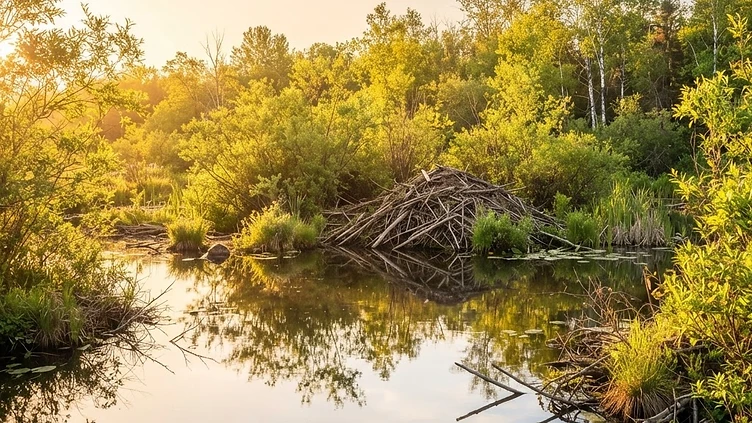
A Historic Return to Norfolk Waters
There is a quiet, industrious transformation rippling through the this summer. At the nature reserve near Fakenham, the stillness of the winding waterways has been punctuated by the arrival of two tiny, long-awaited residents. The birth of a pair of wild kits in August 2026 is far more than a charming wildlife sighting; it marks a monumental shift for ’s ecological history. For the first time in over half a millennium, the species has successfully bred in the wild within the county, turning the page on an absence that stretched back to the beginning of the 16th century.
To understand the significance of these kits, one must look back to a time when England’s landscape was drastically different. Half a century ago, were hunted to extinction across the country, primarily targeted for their fur and castoreum. For five hundred years, the species was absent from the British wild, leaving a void in the habitats they once engineered. Their return to Pensthorpe was not the result of a planned reintroduction project, but rather a remarkable story of natural movement. In late 2025, reserve staff first spotted a lone beaver navigating the reserve’s waterways. By 2026, a second adult had been confirmed, and in the following months, this unexpected pair established their presence in the 700-acre site.
Nature’s Master Engineers at Work
Often described as s, beavers possess a unique ability to reshape and restore wetland environments in ways that few other species can match. The landscape of Pensthorpe, with its intricate network of winding waterways and healthy wetland habitats, has proven to be the perfect sanctuary for these natural architects. The presence of the adults, and now their offspring, confirms that the local environment is robust enough to support a self-sustaining wild population. These animals do not simply inhabit the land; they actively cultivate it, building dams that slow the flow of water across the valley.
This dam-building behavior offers profound benefits for the surrounding environment. By regulating water movement, the beavers are essentially creating a natural buffer that can significantly reduce the risk of flooding in areas downstream. The resulting wetlands act as a sponge for the landscape, creating a mosaic of habitats that support a wider variety of local biodiversity. It is a regenerative cycle that conservationists view as a landmark moment for natural recolonization in the United Kingdom, proving that when the habitat is right, nature has a tenacious way of finding its way back.
A Boon for the Climate
The impact of these furry residents extends well beyond the visible changes to the riverbanks. Beyond their role in flood mitigation, beavers contribute to a vital environmental goal: carbon storage. research indicates that the wetlands engineered by beavers can hold up to 14 times more inorganic carbon than the forest soils that typically surround them. By creating these thriving, water-logged zones, the Pensthorpe beavers are acting as silent allies in the broader effort to protect the environment. Their natural activity creates carbon sinks that serve the planet while simultaneously transforming the local reserve into a richer, more diverse sanctuary for other species.
Watching this scene unfold has been a patient endeavor for the reserve's conservation team. The identification of the two new kits was only made possible through a period of quiet, careful monitoring. After the adults arrived unexpectedly last winter, the staff observed with interest as the pair claimed the reserve as their own. Seeing the kits emerge this August was the ultimate reward for the team’s diligence. It serves as a living, breathing confirmation that the landscape of the Wensum Valley is thriving, providing a safe haven for a species that was absent from these woods and waters for so long.
Looking Toward a Wilder Future
As we look ahead, the arrival of these kits offers a wave of optimism for the future of British wildlife. The story of the Pensthorpe beavers is one of resilience and the incredible power of natural recolonization. Without the interference of captive release programs, these animals found their way to a place that could support them and, in turn, began the hard work of restoring the ecosystem. It is a heartwarming reminder that even after five centuries of being away, the landscape can still welcome back its original inhabitants if the conditions are met with patience and care.
The ripple effects of this birth will be felt for generations, not just in the immediate reduction of flood risks or the sequestering of carbon, but in the return of a vital part of our natural heritage. For the visitors to Norfolk and the conservationists dedicated to protecting the wild, the sight of these young kits paddling through the Pensthorpe waterways is a symbol of hope. It marks a bold, new chapter for the Wensum Valley, proving that when we protect the wild, the wild finds a way to thrive once again. As the kits continue to grow, they represent the beginning of a new, self-sustaining chapter in the story of Norfolk’s natural history.
Originally reported by
All rights in the original reporting remain with the publishers below.
Originally reported by Wild beaver kits born in Norfolk for first time in more than 500 years. Our feature is written independently from verified facts — please support the original reporting:
Read the original storyRelated Wins

 Sport
SportCHESS PRODIGIES BREAK BARRIERS IN NATIONAL LEAGUE DEBUT
The 'She Plays to Win' Lionesses have made history by competing in the top division of the Four Nations Chess League, marking the culmination of three consecutive promotions. Despite facing unique regulatory challenges regarding team composition, the squad continues to demonstrate exceptional skill and camaraderie at the highest level of British chess.
London & South · 2 hours ago

 Science
NEW PATHWAYS TO DIAGNOSIS: CAMBRIDGE STUDY SHEDS LIGHT ON AUTOIMMUNE HEALTH
A landmark study from the University of Cambridge is paving the way for more accurate medical care by highlighting critical gender disparities in the diagnosis of autoimmune conditions. By identifying how and why these misdiagnoses occur, researchers are providing the evidence needed to ensure patients receive faster, more effective support for their physical health.
London & South · 2 hours ago

 Environment
A NATURAL REVIVAL FOR BARNES GREEN
A major river restoration project has successfully transformed the Beverley Brook at Barnes Green into a thriving, natural habitat. This initiative has introduced a meandering river channel and a new island, significantly boosting local flood resilience and biodiversity.
London & South · 8 hours ago
The Sunshine Digest
One bright email each week — verified good news only, unsubscribe in a click.