New Vision for Bristol’s Industrial Heart
A major urban regeneration project in Bristol is set to transform 95 hectares of underutilised industrial land into a vibrant, people-centred neighbourhood. The ambitious masterplan prioritises community wellbeing by introducing a car-free canalside promenade, extensive green spaces, and new local amenities.
The story in 20 seconds
20The project focuses on the St Philip’s Marsh area, located east of Bristol Temple Meads station.
The site covers approximately 95 hectares of land.
A central feature is a new waterfront promenade along the Feeder Canal.
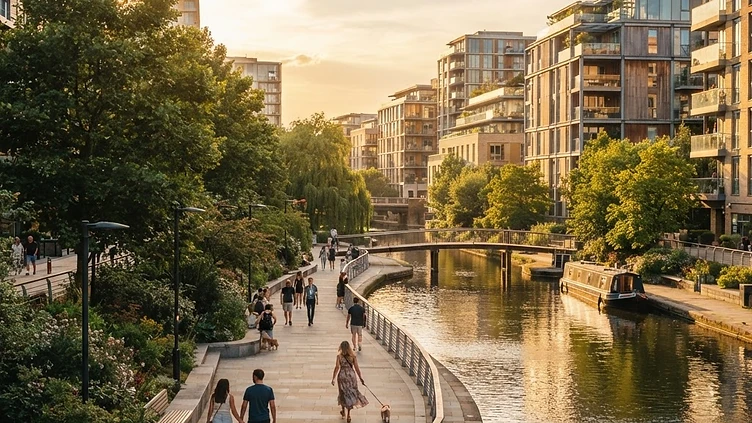
A New Dawn for St Philip’s Marsh
A bold and visionary transformation is currently taking shape in the heart of Bristol, promising to breathe fresh life into an area that has long stood in the shadows of the city’s industrial past. This ambitious urban regeneration project, spearheaded by the Bristol City Council in collaboration with the partnership, is set to redefine the landscape of St Philip’s Marsh. Spanning an impressive 95 hectares of underutilised land, the masterplan represents a significant shift in how we think about city living. By moving away from purely industrial use, the project aims to cultivate a vibrant, people-centred neighbourhood that reflects the needs of a modern, forward-thinking community. This is not merely an infrastructure upgrade; it is an invitation to reimagine how we inhabit our urban environments, prioritising the quality of life for every citizen who calls this historic corner of the South West home.
Prioritising People Over Pavement
At the very soul of this development lies a deep commitment to community wellbeing. In a world where urban congestion often dictates the rhythm of our daily lives, the St Philip’s Marsh project offers a breath of fresh air by placing people at the centre of the design. A central highlight of the masterplan is the creation of a stunning car-free canalside promenade. By transforming the space along the into a haven for pedestrians and cyclists, the development actively encourages a healthier, more connected lifestyle. This shift is further bolstered by the pedestrianisation of sections of , which will serve to link the neighbourhood in a more organic, human-scale fashion. By reclaiming these spaces from the dominance of heavy traffic, the initiative fosters a sense of place where residents can gather, exercise, and interact with the natural beauty of the waterfront. This focus on green infrastructure is designed to soften the edges of the city, ensuring that the new district is defined by its open spaces rather than its concrete boundaries.
Building a Future Together
The impact of this regeneration extends far beyond the introduction of greenery and walkways. The project is firmly rooted in the wider aspirations of the Bristol Temple Quarter development, creating a cohesive and strategic framework for the future of the region. Located conveniently to the east of the bustling station, the site is perfectly positioned to serve as a gateway for growth. The inclusion of new homes and employment opportunities is vital, yet it is the integration of essential social infrastructure and educational facilities that truly anchors the project within the local community. By layering these services into the very fabric of the new neighbourhood, the council and their partners are creating a self-sustaining environment that provides for its residents at every stage of life. This holistic approach ensures that the development does not just add to the housing stock, but actively fosters a resilient and supportive social fabric. It is a rare opportunity to design a space from the ground up that considers the long-term educational and social health of its inhabitants, rather than simply responding to immediate demand.
A Blueprint for Urban Renewal
For those observing the broader landscape of UK urban development, the work currently underway in St Philip’s Marsh stands as a beacon of progress. It demonstrates how historical industrial hubs, often left behind in the rush of modern development, can be thoughtfully converted into assets that contribute to the environmental and social prosperity of a city. The project illustrates a growing recognition across the country that sustainable growth must be inclusive, green, and focused on the wellbeing of the individual. As the masterplan transitions through its current phases, it carries with it the hopes of many who look for a model that balances commercial vitality with human comfort. The commitment to turning 95 hectares of underutilised land into a thriving, multi-use community is a testament to the power of careful planning and collaborative governance. As the vision for this iconic area of Bristol slowly turns into a tangible reality, the promise of a more balanced, car-free, and nature-connected urban life feels closer than ever. This is a story of transformation, of heritage meeting the future, and of a city daring to build a neighbourhood that truly puts its people first. With its strategic location, dedicated green corridors, and comprehensive approach to social and educational infrastructure, the project in St Philip’s Marsh offers an optimistic glimpse into the future of British urbanism, proving that even the most industrial of histories can form the foundation for a vibrant and flourishing community.
Originally reported by
All rights in the original reporting remain with the publishers below.
Originally reported by New images reveal regeneration of St Philip’s Marsh with car-free canalside promenade. Our feature is written independently from verified facts — please support the original reporting:
Read the original storyRelated Wins

 Health
60-bed care home plan emerges for former St John Fisher school site in Chatham
A new 60-bed care home has been proposed for the former St John Fisher school site in Chatham, aiming to provide essential residential and dementia care for the local community. This development is designed to offer high-quality, modern living spaces that include dedicated facilities for social interaction and wellbeing.
London & South · 35 mins ago

 Tech
TechRECYCLED TEXTILES PAVE THE WAY FOR SUSTAINABLE ROAD REPAIRS
Maidstone Borough Council is trialling an innovative, eco-friendly method to repair road surfaces by repurposing discarded fast-fashion garments. This sustainable initiative aims to reduce waste while maintaining local infrastructure, marking a creative step forward in circular economy practices for the region.
London & South · 37 mins ago

 Science
LIFE BEYOND EARTH: MICROBIAL DISCOVERY STRENGTHENS CASE FOR ALIEN HABITATS
Scientists have successfully demonstrated that Earth-based microorganisms can thrive in laboratory environments mimicking the extreme conditions found within the subsurface ocean of Saturn’s moon, Enceladus. This breakthrough provides compelling evidence that the icy moon possesses the necessary chemical and environmental stability to potentially support extraterrestrial life.
London & South · 6 hours ago
The Sunshine Digest
One bright email each week — verified good news only, unsubscribe in a click.