NEW GLOBAL STANDARDS FOR HEART ATTACK DIAGNOSIS PROMISE MEDICAL REVOLUTION
International medical authorities have established the first universal definition for heart attacks to standardize care and improve diagnostic accuracy worldwide. This landmark agreement is expected to transform treatment for millions, particularly women, by providing clearer guidelines for identifying various types of cardiac events.
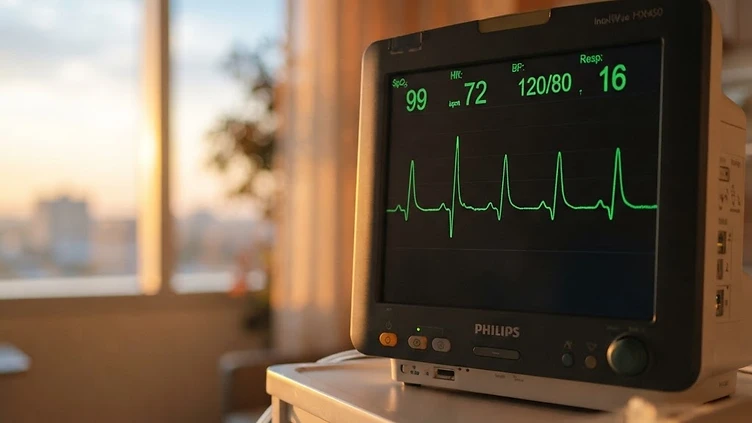
A Landmark Moment for Cardiac Health
On the twenty-eighth of 2026, a significant transformation in global medicine arrived, marking a pivotal turning point for cardiac care. International experts, led by esteemed bodies such as the of Cardiology, have finalized an agreement that establishes the first universal definition for heart attacks. This collaborative effort, born from years of rigorous research and the synthesis of vast clinical data, provides a unified framework that promises to reshape how clinicians identify and manage heart health. By synchronizing standards across cardiology, surgery, and emergency medicine, leaders have ignited what many are calling a true revolution in the approach to cardiovascular diagnosis.
Refined Criteria for Better Patient Outcomes
At the core of this global initiative is a drive to eliminate ambiguity in the emergency room. Previously, the interpretation of cardiac events could vary, potentially leading to confusion during critical moments. This new definition brings much-needed clarity, distinguishing precisely between heart attacks caused by traditional arterial blockages and those sparked by different physiological stressors. One of the most important aspects of this update is the specific guidance surrounding Type 2 myocardial infarctions. These events, which result from an imbalance between the body's oxygen supply and demand, now have clear, recognized diagnostic criteria. Furthermore, the protocol mandates the use of high-sensitivity cardiac troponin biomarkers to identify subtle muscle damage alongside requirements for advanced cardiac imaging. These measures collectively aim to significantly reduce the frequency of misdiagnosis, ensuring that patients receive the right treatment at the right time.
Supporting Women and Improving Equity
A particularly heartening element of this international consensus is its potential to address historical disparities in diagnostic accuracy. The updated guidelines specifically focus on refining the classification of cardiac events that are more prevalent in women. For too long, the nuance of how heart disease presents across different groups has been a challenge for clinicians, but these new standards provide a robust foundation to change that narrative. By acknowledging and categorizing these specific presentations more effectively, the medical community is moving toward a future where heart attacks are identified with greater precision for everyone, regardless of gender. This shift is not merely academic; it is a vital step toward ensuring that millions of patients globally receive an equitable and accurate standard of care.
The View From the UK
For those of us here in the United Kingdom, the implementation of these global standards by represents a major commitment to excellence in patient safety. The health service is preparing to adopt these universal criteria, ensuring that whether a patient enters a hospital in London or anywhere else in the country, the approach to diagnosing a heart attack remains uniform and evidence-based. This transition will harmonize diagnostic practices across the nation, providing healthcare professionals with the tools they need to make confident, swift, and accurate decisions under pressure. By bringing UK protocols in line with this newly established global benchmark, we are reinforcing a healthcare system that values consistent, high-quality care for all citizens.
A Promising Horizon
The arrival of this universal definition is the culmination of long-term international cooperation, timed perfectly to coincide with major research presentations during the late summer of 2026. It serves as a reminder of what is possible when the world’s most prominent medical experts unite under a common goal: the preservation of life through scientific clarity. While the complexities of heart disease remain, we are now entering an era defined by increased precision, reduced diagnostic errors, and a more sophisticated understanding of the various ways heart attacks can occur. As the medical community begins to weave these standards into daily practice, the outlook for millions of patients appears significantly brighter. We are witnessing the birth of a more reliable diagnostic landscape, one that promises to save lives through the sheer power of shared knowledge and rigorous, unified definitions.
Originally reported by
All rights in the original reporting remain with the publishers below.
Originally reported by Doctors promise care ‘revolution’ as they agree first universal definition of heart attack — theguardian.com. Our feature is written independently from verified facts — please support the original reporting:
Read the original story- Doctors promise care ‘revolution’ as they agree first universal definition of heart attack — theguardian.com
- New Global Definition of Myocardial Infarction Aims to Improve Diagnosis, Treatment and Patient Understanding
- Fifth Universal Definition of Myocardial Infarction Replaces Numerical MI Type System
Related Wins

 Sport
SportCHESS PRODIGIES BREAK BARRIERS IN NATIONAL LEAGUE DEBUT
The 'She Plays to Win' Lionesses have made history by competing in the top division of the Four Nations Chess League, marking the culmination of three consecutive promotions. Despite facing unique regulatory challenges regarding team composition, the squad continues to demonstrate exceptional skill and camaraderie at the highest level of British chess.
London & South · 5 hours ago

 Science
NEW PATHWAYS TO DIAGNOSIS: CAMBRIDGE STUDY SHEDS LIGHT ON AUTOIMMUNE HEALTH
A landmark study from the University of Cambridge is paving the way for more accurate medical care by highlighting critical gender disparities in the diagnosis of autoimmune conditions. By identifying how and why these misdiagnoses occur, researchers are providing the evidence needed to ensure patients receive faster, more effective support for their physical health.
London & South · 5 hours ago

 Health
Widnes youngster cutting hair after 10 years for good cause
A young Widnes resident has donated his hair after growing it for a decade to support children facing hair loss due to medical treatment.
North of England · 10 hours ago
The Sunshine Digest
One bright email each week — verified good news only, unsubscribe in a click.