NEW CANINE DNA DATABASE TO STRENGTHEN PUBLIC SAFETY AND ANIMAL WELFARE
A pioneering initiative is developing a comprehensive DNA database for dogs across the UK to assist law enforcement in identifying animals involved in criminal investigations. This scientific advancement aims to provide definitive evidence to help police solve cases while ensuring the welfare of pets remains a top priority.
The story in 20 seconds
20Experts are currently building a national DNA database specifically for dogs to support police work.
The system is designed to identify specific breeds linked to criminal activity or to exonerate canine suspects.
The database uses unique genetic markers to create a reliable profile for individual dogs.
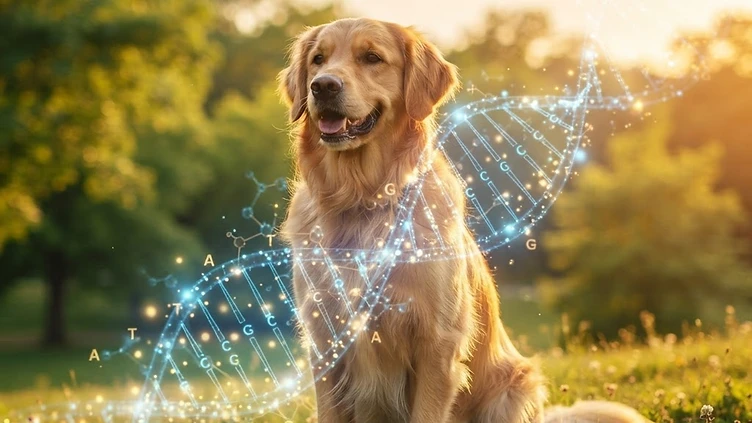
A New Chapter for Canine Forensics In the heart of the United Kingdom, a remarkable scientific evolution is currently unfolding, one that promises to change the landscape of law enforcement and animal protection forever. As of 2026, experts in the fields of forensic science and canine genetics have embarked on a pioneering mission to create a comprehensive national DNA database specifically designed for dogs. This ambitious project, taking shape within the London and South region and extending its influence across the nation, represents a sophisticated leap forward in how we manage public safety and ensure the welfare of our beloved pets. By harnessing the power of genetic science, this initiative seeks to bring a new level of clarity and precision to the way police handle cases involving animals. The concept is as elegant as it is essential: by compiling unique genetic markers into a centralized, reliable system, officials can build distinct profiles for individual dogs. In an era where justice requires irrefutable evidence, this database serves as a vital tool for investigators. Whether the goal is to pinpoint breeds connected to criminal incidents or to provide the necessary evidence to exonerate innocent canine suspects, the system offers a definitive way forward that is rooted in hard science rather than speculation. It is a quiet revolution happening in laboratories, aimed at fostering a safer society for everyone.
Efficiency Through Scientific Innovation The implications of this development for police operations across the UK are profound. Traditionally, the process of identifying animals during complex investigations has been time-consuming and resource-heavy. By introducing a national DNA database, the project aims to streamline these requirements significantly. When a situation arises that demands rapid identification, law enforcement officers will have access to a robust system that cuts through the ambiguity. This means that valuable resources can be allocated more effectively, ensuring that cases are resolved with greater speed and accuracy. The use of unique genetic markers ensures that each profile is both specific and dependable, creating a high standard of evidentiary support. For the experts behind this initiative, the focus remains on transforming the way police interact with canine evidence. The system is meticulously designed to serve as a cornerstone of modern forensic investigation, bridging the gap between advanced genetics and practical policing needs. This technological integration is not merely about digitizing records; it is about building a trustworthy infrastructure that stands the test of scrutiny. By creating this scientific blueprint, the experts are ensuring that the justice system is better equipped to handle the realities of the modern age, where the role of animals in public life continues to be a subject of careful management.
Promoting Welfare and Public Safety At its core, this ongoing project is driven by a deep commitment to animal welfare. While the primary function is to assist law enforcement, the secondary and equally important goal is to ensure that pets are protected through clear, evidence-based results. The database acts as a protective shield for animals, preventing misunderstandings and ensuring that every dog is treated according to facts rather than assumption. In the realm of public safety, this initiative marks a turning point, providing peace of mind to communities across the United Kingdom. By establishing a framework that values accuracy, the project fosters a safer environment where the rights of animals are upheld alongside the needs of the public. It is a proactive step that reflects a broader societal shift toward acknowledging the value of genetic information in maintaining order and safety. This work, conducted by dedicated professionals, showcases the positive power of combining forensic expertise with a desire to improve the lives of animals. The optimism surrounding this project stems from the potential it holds for long-term impact. As the database grows and matures, it will become an indispensable asset in the UK, helping to resolve uncertainty and providing a solid foundation for investigations. Looking ahead, the vision for this initiative is clear: a safer society where scientific advancements serve the dual purpose of keeping communities secure and ensuring that the welfare of pets remains a priority. It is a testament to the ingenuity of UK scientists who are working tirelessly to build a better future, one genetic marker at a time. Through this rigorous, evidence-based approach, the nation is taking a bold step forward in the pursuit of justice and the protection of animals, setting a standard that promises to endure for years to come.
Originally reported by
All rights in the original reporting remain with the publishers below.
Originally reported by DNA database of UK dogs could help police collar criminals. Our feature is written independently from verified facts — please support the original reporting:
Read the original storyRelated Wins

 Sport
SportSchool gate to checkmate: British chess prodigy, 11, is youngest ever woman grandmaster
An 11-year-old schoolgirl from Harrow has achieved a monumental milestone in the world of chess by becoming the youngest woman grandmaster in history. Bodhana Sivanandan secured the prestigious title after completing her final required norm during a standout performance at the 46th Chess Olympiad.
London & South · 5 hours ago

 Science
West Midlands' unsung heroes revealed in major awards ceremony
A prestigious awards ceremony has shone a spotlight on the dedicated volunteers who work tirelessly to improve safety and community spirit across the West Midlands. These unsung heroes were honoured for their commitment to local projects that foster connection and protect neighbourhoods.
Midlands · 5 hours ago

 Environment
HOME ENERGY REVOLUTION: MILTON KEYNES FAMILY ACHIEVES ZERO-BILLS STATUS
A family in Milton Keynes has successfully transformed their four-bedroom home into a self-sufficient energy hub, effectively eliminating their energy bills. By integrating modern renewable technologies, the household has created a practical model for residential sustainability that shields them from fluctuating market prices.
London & South · 11 hours ago
The Sunshine Digest
One bright email each week — verified good news only, unsubscribe in a click.