NATURE’S FIREWALL: REWILDING PROJECTS PROVE VITAL DEFENCE AGAINST WILDFIRES
Innovative rewilding initiatives across the UK are demonstrating that restoring natural ecosystems is one of our most effective tools for mitigating the growing threat of wildfires by creating moisture-rich, resilient landscapes.
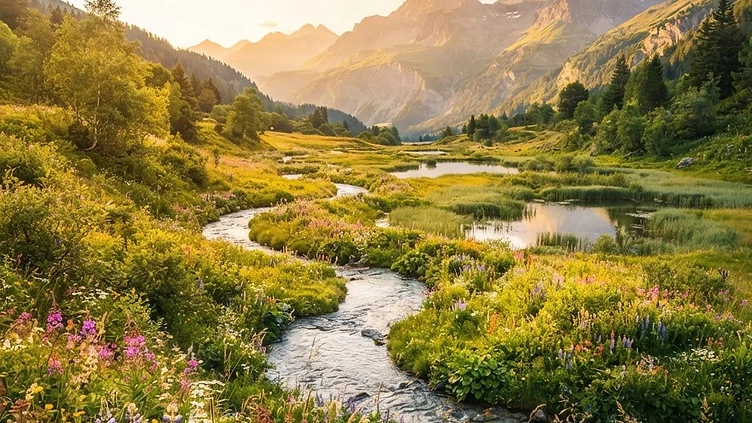
Nature as a Natural Guardian
Across the rolling hills and wild valleys of the United Kingdom, a quiet revolution is taking root. As our climate shifts and the threat of wildfire becomes a more frequent concern, conservationists, ecologists, and project managers are turning to an ancient ally: the natural world itself. , once seen primarily as a tool for biodiversity, is now being recognised as a vital line of defence for our landscape. Throughout 2025 and 2026, innovative initiatives have demonstrated that ecosystems is not just good for wildlife; it is a profound strategy for community safety and landscape resilience.
The Engineering Power of Nature
There is a common misconception that wilder landscapes might increase fire risk, but are firmly challenging that narrative. In reality, , managed ecosystems act as a natural firewall. The secret lies in the diversity of the land. Unlike uniform, monoculture plantations that can carry fire across vast distances, rewilded areas create complex habitat mosaics. These patches of varied vegetation interrupt the continuous fuel loads that allow flames to spread rapidly. By reintroducing herbivores, we see nature managing its own fuel; these animals graze on the dry thatch and scrub that might otherwise become a tinderbox under the summer sun.
Water is the other great protagonist in this story. wetlands are performing a critical service by raising the local water table, keeping both the soil and the surface vegetation damp even during periods of intense heat. We are seeing incredible results in places like Wales, where restored meanders in streams and rivers are effectively trapping water within valley landscapes. This hydration of the land ensures that our soils remain species-rich and capable of holding onto moisture long after the rain has stopped. One of our most industrious partners in this work is the beaver. These ecosystem engineers build dams that create pools, effectively acting as natural firebreaks that stop fires in their tracks.
A Growing Climate Challenge
This shift in strategy comes at a pivotal time for Britain. The changing climate is making the prospect of wildfire an increasingly daunting reality. Data shows that by 2050, the number of high fire-risk days in the UK is expected to double compared to the averages we saw in the late 20th century. The past two years have brought this into sharp focus. In 2025, and Wales recorded nearly 1,000 wildfire incidents. The following year, the challenge remained just as pressing, with over 700 wildfires logged by the beginning of 2026 alone. These figures are not just statistics; they are a clear signal that we must rethink how we manage our land to ensure it remains a safe and sustainable home for everyone.
Protecting Our Future Landscape
Integrating rewilding into our national climate resilience strategies represents a move toward a more sustainable future. This is a cost-effective, long-term solution that provides more than just security; it heals the landscape from the ground up. When we restore a wetland or allow a meadow to return to its natural state, we are not just protecting against fire, we are reviving the natural systems that have supported life for millennia. It is a transition from fighting nature to working in concert with it.
As we look ahead, the vision is one of landscapes that are inherently more resistant to the changing climate. By focusing on the restoration of soil health and the diversification of habitats, we are creating a buffer against the extremes of heat and drought. The work being done today by dedicated conservationists across the country, particularly within the rugged terrain of Wales, is setting a standard for how we can adapt to these new environmental realities. It is a hopeful testament to the power of nature to protect us, if only we provide it with the space and the resources to thrive once more. Through these efforts, the dream of a resilient, lush, and naturally fire-resistant Britain is becoming an achievable reality for the decades to come.
Originally reported by
All rights in the original reporting remain with the publishers below.
Originally reported by positive.news. Our feature is written independently from verified facts — please support the original reporting:
Read the original storyRelated Wins

 Environment
A NATURAL REVIVAL FOR BARNES GREEN
A major river restoration project has successfully transformed the Beverley Brook at Barnes Green into a thriving, natural habitat. This initiative has introduced a meandering river channel and a new island, significantly boosting local flood resilience and biodiversity.
London & South · 7 hours ago

 Environment
A "Nature Ring" for London: Ambitious Green Corridor Takes Root
A visionary 25-year project is underway to encircle the capital with a continuous 200km green corridor, transforming the city’s outer edges into a thriving habitat for both wildlife and residents. By connecting existing green spaces with new orchards, hedgerows, and woodlands, the initiative aims to restore biodiversity and provide nature-deprived communities with improved access to the outdoors.
London & South · 1 day ago

 Environment
'Outstanding' school 'over-capacity' to move and expand from Bermondsey to Peckham
A highly-rated special school is set to expand its capacity and move into a modern, sustainable facility to better support children with complex needs. This relocation will provide 21 additional places for pupils, ensuring more families have access to high-quality, purpose-built educational environments.
London & South · 1 day ago
The Sunshine Digest
One bright email each week — verified good news only, unsubscribe in a click.