‘Mind-blowing’: dark-sky fans gather on Exmoor to see what light pollution hides
The Exmoor Dark Skies Festival is marking a decade of success by hosting its largest-ever programme of events to help visitors and residents explore the wonders of the night. This milestone celebration highlights the importance of protecting the national park’s pristine environment from light pollution while boosting the local rural economy.
The story in 20 seconds
20The festival runs from 16 October to 1 November 2026, celebrating its 10th anniversary.
Exmoor was designated Europe’s first International Dark Sky Reserve in 2011.
The 2026 programme features over 80 distinct events across the national park.
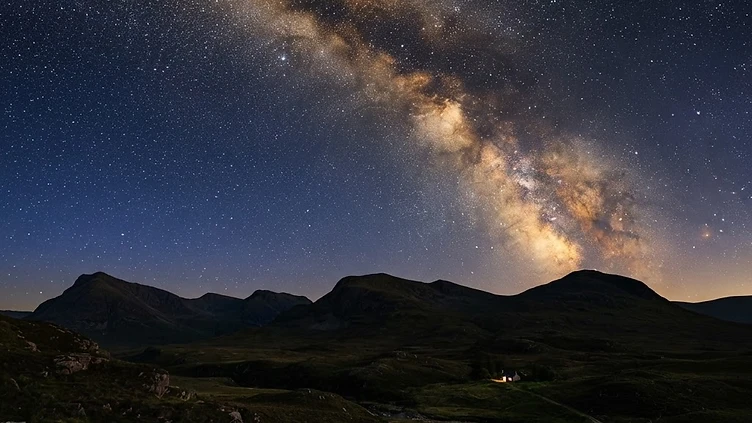
A Decade of Starlit Magic Under Exmoor Skies
As the autumn leaves settle across the rolling hills of the West Country, a very special kind of celebration is illuminating the darkness. Between 16 October and 1 2026, Exmoor National Park is playing host to its most ambitious festival to date. This year marks the tenth anniversary of the Exmoor Dark Skies Festival, a landmark occasion that has blossomed significantly since it first began in 2017. Organised by the , this sprawling programme of events invites residents and visitors alike to look upward and rediscover the wonders that remain hidden when light pollution is kept at bay.
Since Exmoor was proudly designated as Europe’s first back in 2011, it has become a beacon for those who appreciate the true majesty of a night sky unmarred by artificial glare. Now, with over 80 distinct events scheduled, the festival is operating at its largest scale ever. More than 2,500 people are expected to descend upon the park, keen to immerse themselves in a diverse array of designed to bridge the gap between human curiosity and the vast, shimmering mystery of the cosmos. It is a testament to the enduring appeal of nature that a decade of festivities has grown into such a vital fixture for the local region.
Diverse Adventures in the Velvet Night
There is a profound sense of wonder found in the festival’s diverse itinerary. Whether one is a seasoned astronomer or simply a curious explorer, the 2026 programme offers something to stir the soul. Participants can find themselves mesmerised by immersive planetarium shows, which bring the mechanics of the universe down to earth, or perhaps joining nocturnal wildlife walks that reveal the secret lives of creatures who thrive when the sun goes down. For the more adventurous, moonlit swimming provides a unique sensory experience, while those roaming the shoreline might discover the hidden colours of nature through the magic of UV rock pooling.
Even the local transport infrastructure has embraced the spirit of the event. The historic Lynton and has joined the festivities, offering a special evening steam train service that allows passengers to traverse the landscape while enveloped by the quiet beauty of the night. These experiences are carefully curated to highlight the importance of our natural environment, encouraging a deeper connection with the park and a greater appreciation for the sanctity of the night. By moving through the landscape with purpose and care, attendees are not just observers; they become active participants in a movement that cherishes the silence and shadows of the countryside.
Economic Prosperity and Environmental Stewardship
Beyond the sheer beauty of a starlit horizon, the Exmoor Dark Skies Festival serves a dual purpose that is central to the health of the national park. Environmentally, the festival acts as a vital educational platform. By teaching the public about the tangible benefits of reducing light pollution, the park authority is ensuring that the pristine nature of this protected habitat remains intact for future generations. Reducing artificial light is not merely an aesthetic choice; it is an essential action to safeguard nocturnal wildlife and preserve the delicate natural habitats that make Exmoor a sanctuary for biodiversity.
Simultaneously, the event provides a significant boost to the local rural economy. By drawing thousands of visitors to the area during the autumn season, the festival helps to sustain local businesses that form the backbone of the community. To further encourage this sustainable model, the festival actively promotes the use of business accommodation. This ensures that the tourism supporting the park is aligned with its environmental ethos. Guests are encouraged to stay in establishments that respect the darkness, creating a harmonious cycle where economic vitality and ecological preservation walk hand in hand. It is a powerful example of how a regional destination can thrive while remaining firmly committed to its stewardship of the land.
Looking Toward a Brighter Future
As the festival enters its second decade, the outlook for Exmoor remains incredibly positive. The sustained growth of the event from its humble beginnings in 2017 to the massive celebration seen in 2026 indicates a profound shift in how we value our night skies. There is a growing collective consciousness about what we lose when we flood our environment with unnecessary light, and Exmoor is leading the way in reclaiming the view of the stars. By championing the night, the National Park Authority is not only protecting a precious resource but is also inviting the rest of the country to pause and consider the value of the natural darkness.
Looking ahead, the commitment shown by the park and its visitors suggests that the dark sky movement will only continue to gain momentum. The success of the current programme proves that when we invite people to engage with nature in new and meaningful ways, the response is overwhelmingly enthusiastic. Whether through the lens of a telescope or the gentle sound of a steam train chugging through the dark, the message is clear: the night is not a void to be filled, but a world to be explored and protected. As the 2026 festival draws to a close, the echoes of this milestone year will undoubtedly lay the groundwork for many more years of discovery, community support, and celestial wonder under the protected canopy of night.
Originally reported by
All rights in the original reporting remain with the publishers below.
Originally reported by theguardian.com. Our feature is written independently from verified facts — please support the original reporting:
Read the original storyRelated Wins

 Sport
BRISTOL MUM’S VISION TURNS DOUBLE-DECKERS INTO SPECIAL NEEDS HAVENS
A dedicated Bristol mother is transforming two retired double-decker buses into mobile community hubs designed specifically to support children and teenagers with special educational needs. This grassroots initiative aims to provide accessible, inclusive spaces for play and social connection that are currently unavailable in the local area.
London & South · 47 mins ago

 Tech
Brand new London Museum to open within weeks - a look at what it's promising
The London Museum is set to open its new home in the historic Smithfield General Market on 28 November 2026, marking the culmination of a decade-long transformation to create a modern, accessible cultural hub for the capital.
London & South · 49 mins ago

 Culture
Bromley town centre car park's closure would save council £4,700 - locals submit their own plan
Residents in a South London community have taken proactive steps to protect local infrastructure by drafting their own financial sustainability plan for a town centre car park.
London & South · 6 hours ago
The Sunshine Digest
One bright email each week — verified good news only, unsubscribe in a click.