Midlands Leads the "Great British Switch-Off" as Digital Detox Cabins Flourish
Residents across the Midlands are increasingly embracing a tech-free lifestyle by visiting specialized off-grid cabins and phone-free social venues to combat digital fatigue. These initiatives provide the physical and digital space necessary to disconnect from smartphones, fostering improved mental clarity and deeper personal connections.
The story in 20 seconds
20The digital detox brand "Unplugged" has expanded its footprint in the Midlands with the "Bracken" off-grid cabin located in the Shropshire Hills.
The Shropshire retreat is situated in Craven Arms, approximately a one-hour drive from Birmingham.
A similar secluded digital detox retreat has been established in Warwickshire, currently holding a 4.95-star guest satisfaction rating for its "peaceful reset" environment.

The Quiet Revolution in the Midlands
Across the rolling landscapes of the , a profound and deliberate silence is beginning to take root. As we navigate the complex pressures of the mid-2020s, a new movement known as the "Great British Switch-Off" is transforming how residents interact with their environment, their technology, and one another. This shift represents a collective exhale for a society increasingly exhausted by the constant hum of connectivity and the relentless tide of digital information. By choosing to step away from the glowing screens that dominate modern life, people in Shropshire, , and beyond are reclaiming their mental space.
At the heart of this transition is a growing appreciation for the tangible and the immediate. Whether through the rise of specialized off-grid cabins or the emergence of social spaces where mobile devices are firmly discouraged, the Midlands has become a testing ground for a ier relationship with technology. This is not merely an act of avoidance but a proactive pursuit of well-being, designed to combat the pervasive sense of digital fatigue that has become a hallmark of our times. In August 2026, the movement finds itself in a period of significant growth, proving that the desire for authentic, human-centric connection is stronger than ever.
Escaping the Digital Fog
For many, the motivation to disconnect stems from a desire to escape the exhausting cycle of "doomscrolling." This phenomenon, characterized by the endless consumption of distressing news feeds, has been shown to fuel anxiety and disrupt natural sleep patterns. Recognizing the toll this takes on the human psyche, initiatives like the digital detox brand "Unplugged" have expanded their operations to provide a necessary sanctuary. The goal is simple: to offer a physical and psychological buffer between the individual and the relentless ping of notifications.
Research suggests that a 72-hour period is the optimal duration to clear the persistent "brain fog" that arises from prolonged digital overstimulation. During this intensive reset, the nervous system is given the time it needs to settle, allowing for deeper personal connections and improved mental clarity. By replacing constant digital noise with the cadence of the natural world, are reporting measurable improvements in their ability to rest and a significant reduction in their daily anxiety levels. It is a fundamental recalibration, proving that the most advanced technology we possess is, in fact, our own capacity to be present.
The Sanctuary in the Shropshire Hills
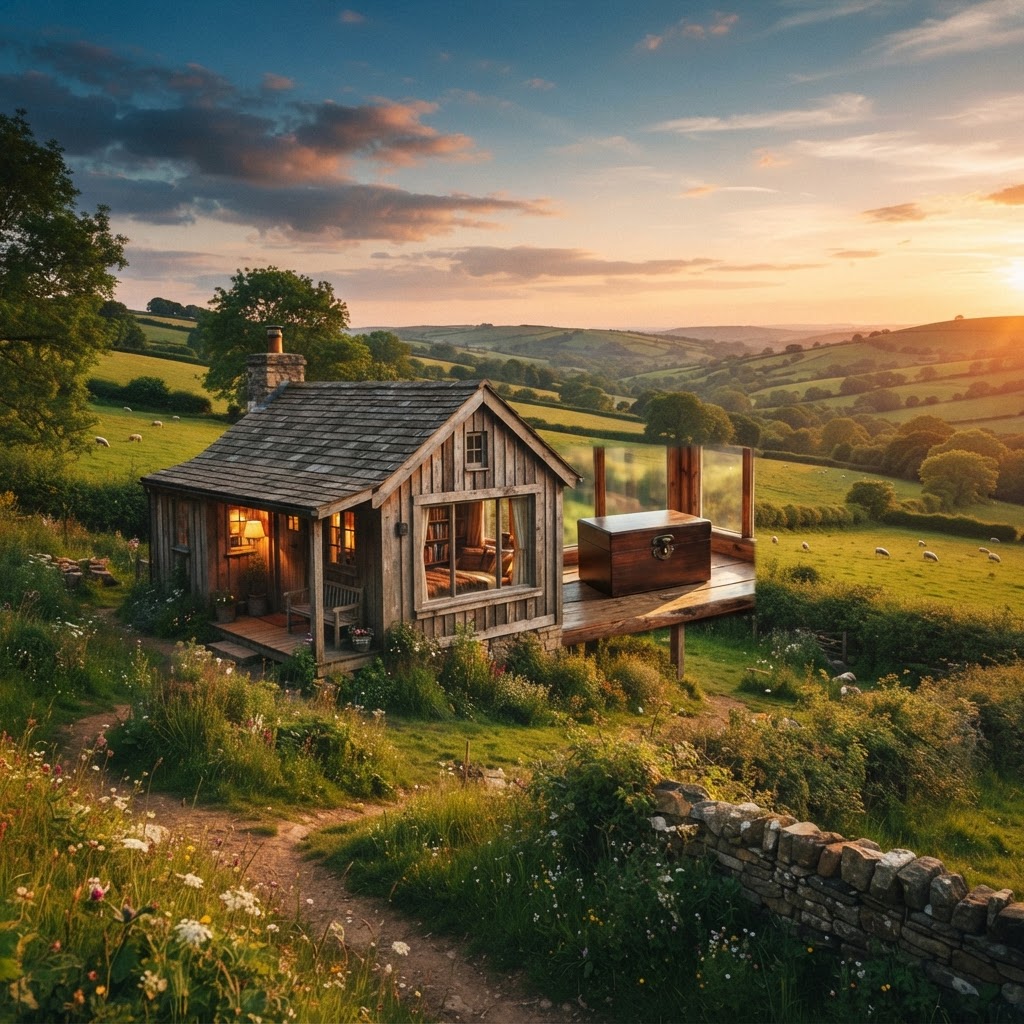
One of the most notable manifestations of this movement is the "Bracken" off-grid cabin. Nestled within the , this retreat offers a stark contrast to the hectic pace of nearby urban centers like Birmingham, which is located just an hour’s drive away in Craven Arms. Here, the experience is defined by what is absent: there is no Wi-Fi, there are no social media alerts, and there is no cellular signal to draw the attention of the occupant back to the digital void. Everything is designed to facilitate a peaceful reset.
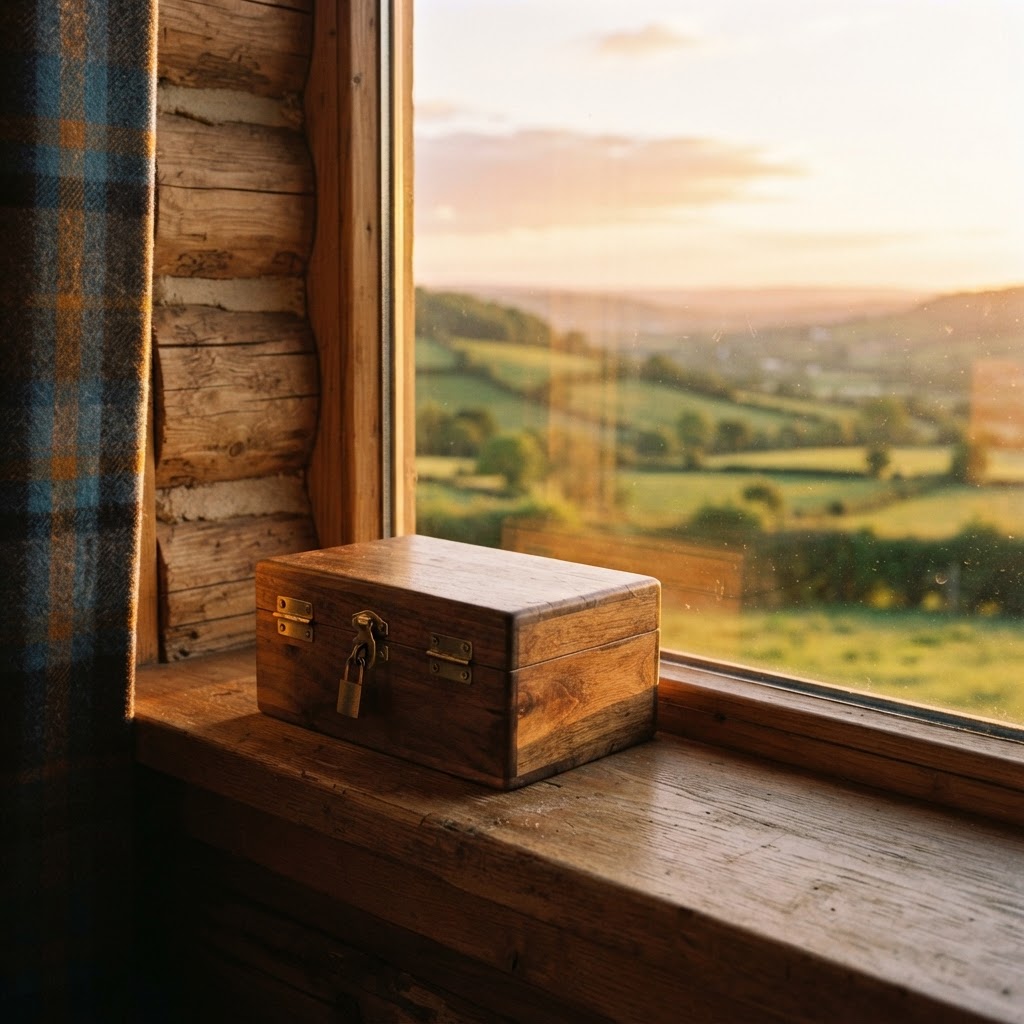
Upon arrival, guests are invited to participate in a symbolic act of liberation: locking their smartphones into a secure wooden box for the duration of their stay. This is not meant to be a punishment, but a tool for empowerment. To ensure that visitors feel safe, they are provided with basic handsets. These devices are equipped for emergencies and include the classic game "Snake," a playful nod to a simpler digital era. By removing the choice to browse, the cabin creates an environment where exploration is once again analog.
Navigating Through Physical Maps
In the absence of GPS-enabled smartphones, the guests of these Midlands retreats are encouraged to rediscover the art of navigation. Physical paper maps replace digital mapping services, forcing individuals to engage with the landscape in a more meaningful way. Instead of focusing on a tiny screen to find the next turn, guests are prompted to look at their surroundings, understand the contours of the terrain, and interact with the physical geography of and Warwickshire countryside. This change in perspective is vital for the transition from passive consumption to active participation.
Furthermore, the presence of instant film cameras encourages a more thoughtful documentation of the experience. Without the ability to instantly upload or edit images for a social audience, a photograph becomes a personal memento rather than a piece of curated public content. This shift from performative sharing to genuine experiencing is one of the pillars of the "Great British Switch-Off" movement. By grounding the visitor in the immediate, these retreats create a lasting impact on how individuals value their time and their memories.
Social Spaces Without Screens
The quest for a tech-free life is not limited to the seclusion of the woods; it is also reshaping social interaction within our communities. In the Midlands, a new generation of "mobile-free pubs" has emerged, where the expectation of physical presence is strictly enforced. Some venues have even introduced informal bans or "swear jars" for those who cannot resist the urge to check their screens while at the bar. These establishments serve as vital social hubs that prioritize face-to-face conversation over digital preoccupation.
In tandem with these pubs, the rise of " book groups" has captured the imagination of those seeking wellness and literature in equal measure. By combining physical heat therapy with the shared focus of reading, these gatherings provide a structured environment for deep intellectual engagement. These groups prove that social life does not need to be mediated by an app to be vibrant or fulfilling. It is a return to the basics of human interaction, bolstered by the intentional exclusion of the devices that often act as barriers to genuine dialogue.
Sustainability and Future Outlook
As the network of these detox cabins expands, sustainability remains a key priority for the architects of this movement. Many of the newer facilities are constructed with the environment in mind, operating entirely on solar energy to minimize their ecological footprint. This marriage of digital detachment and environmental stewardship resonates strongly with a generation increasingly concerned about both their own mental health and the health of the planet. It is an approach that acknowledges the harmony between human well-being and natural resources.
Looking toward the end of 2026, the movement is set to grow significantly, with projections indicating the addition of at least five new locations across the UK. This expansion signifies that the "Great British Switch-Off" is not a passing fad but a necessary evolution in response to the digital demands of the age. As these retreats become more accessible, the hope is that more people will be able to step back, re-evaluate their digital habits, and reclaim the calm that has been so elusive in our modern, connected world. The Midlands is leading the way in showing that sometimes, the most revolutionary act is simply to turn it off.
Originally reported by
All rights in the original reporting remain with the publishers below.
Originally reported by The great British switch-off: how floating retreats, mobile-free pubs and sauna book groups are freeing people from their smartphones. Our feature is written independently from verified facts — please support the original reporting:
Read the original storyRelated Wins

 Tech
TechNEW SUPERMARKET GREEN-LIT FOR WARWICKSHIRE
A new Lidl supermarket has been granted planning permission in Warwick, marking a significant step forward for local retail infrastructure. The development will transform a vacant industrial site into a modern shopping facility, bringing new investment and convenience to the community.
Midlands · 5 hours ago

 Culture
Birmingham’s Fierce Festival Returns with Bold Artistic Vision
Birmingham’s long-running live art festival has returned to the city, transforming unconventional spaces into vibrant stages for experimental performance. The event showcases a diverse range of creative works, including immersive installations and unique site-specific productions that challenge traditional theatre boundaries.
Midlands · 17 hours ago

 Health
Fresh hope for Coventry Speedway as council calls for Brandon Stadium revival proposals
Local authorities in Coventry have taken a significant step toward restoring a beloved community sporting landmark by inviting formal proposals for the revival of Brandon Stadium, marking a major milestone for local residents and motorsport enthusiasts.
Midlands · 1 day ago
The Sunshine Digest
One bright email each week — verified good news only, unsubscribe in a click.