Hull’s Maritime Heritage Returns to Life as Landmark Museum Reopens Following £20 Million Transformation
The Hull Maritime Museum is set to welcome visitors back this August after a four-year restoration project that has revitalised the historic Victorian Dock Offices. The extensive renovation introduces immersive galleries and previously unseen treasures, including a massive whale skeleton and a rare collection of sailor-carved folk art.
The story in 20 seconds
20The museum’s official reopening date is Saturday, 8 August 2026.
The refurbishment of the museum building cost a total of £20.4 million.
The wider 'Hull Maritime' project represents a total investment of £27.5 million.
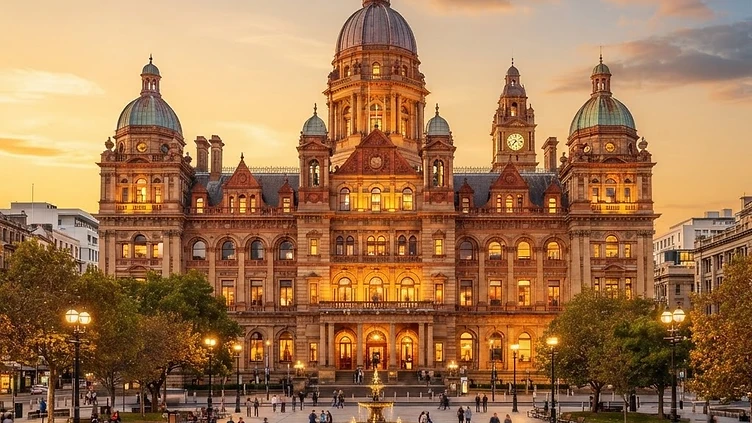
A Grand Resurgence in Queen Victoria Square
There is a palpable sense of anticipation building in the heart of Hull as the city prepares to unveil one of its most cherished cultural treasures. After four long years behind scaffolding and heavy site hoarding, the former , an architectural jewel set squarely in the middle of Queen Victoria Square, are ready to open their doors once more. Starting 8, 2026, the public will finally be welcomed back into a space that has been meticulously restored and reimagined, marking a triumphant chapter in the city's ongoing cultural regeneration. This transformation, a monumental effort driven by Hull City Council and the National Lottery Heritage Fund, breathes new life into the historic building and serves as a vibrant reminder of the deep maritime roots that define this corner of the North of England.
Unlocking Hidden Treasures
The scale of this refurbishment is nothing short of remarkable, with a total investment of £27.5 million fueling the wider '' project, including a specific £20.4 million dedicated solely to the museum building itself. Closed since 2021, the facility has undergone an extensive internal overhaul that has vastly increased the footprint of its public display areas. The result is a richer, more expansive experience, with the museum now showcasing 50% more objects from its expansive collection than it was able to show before the closure. With 1,300 items now on display, will find a curated journey through history that balances local storytelling with items of international significance.
Among the standout attractions is a towering skeleton, which serves as a poignant centerpiece for the reimagined galleries. For those drawn to the more curious side of seafaring lore, the collection includes a '' a rare example of hybrid taxidermy that speaks to the oddities collected by mariners of old. History enthusiasts will also be captivated by what is believed to be the largest collection of scrimshaw—intricate carvings made by whalers—outside of the . Furthermore, the museum proudly displays the wooden dog figurehead from the Sirius, the celebrated steamship that holds the honor of being the first vessel to cross the Atlantic entirely under its own steam power.
Architecture Meets Innovation
While the artifacts are undoubtedly the star of the show, the building itself is a masterpiece of Victorian design that has been thoughtfully preserved and modernized. The restoration project has focused on more than just the aesthetic integrity of the Dock Offices; it has reimagined how visitors move through the space. One of the most exciting additions is a newly installed spiral staircase, which for the first time in the building's history, grants the public access to its majestic towers. Ascending these heights provides an entirely new vantage point, offering panoramic rooftop views that stretch across the city of Hull. This connection between the interior heritage and the exterior urban landscape provides a unique way for residents and tourists alike to appreciate the setting of this proud port city.
Beyond the primary galleries, the project has also carved out a dedicated new community exhibition space. This area is specifically designed to house local maritime heritage stories, ensuring that the museum remains a living, breathing entity that reflects the experiences of the people who call Hull home. By prioritizing this inclusive space, the organizers have ensured that the museum is not merely a vault for static relics, but a modern cultural hub where the community can contribute to the ongoing narrative of the region.
Looking Toward a Brighter Future
The reopening represents a significant milestone for the city and a major victory for heritage conservation in the United Kingdom. This cultural regeneration project is about more than just the bricks and mortar of a Victorian landmark; it is about restoring a sense of pride and accessibility to the maritime history that shaped so much of the North’s prosperity. By securing funding from the National Lottery Heritage Fund, Hull City Council has successfully ensured that these treasures remain protected and available to future generations. As the doors prepare to swing open on August 8, 2026, the museum stands as a beacon of what can be achieved when historic preservation meets the needs of a modern audience. It is a moment of celebration for Hull, marking the end of a transformative journey that has turned a closed building back into a vibrant, essential landmark for all to enjoy.
Originally reported by
All rights in the original reporting remain with the publishers below.
Originally reported by Thar she blows! Hull Maritime Museum resurfaces with a walk-in whale and a ‘monkey mermaid’. Our feature is written independently from verified facts — please support the original reporting:
Read the original storyRelated Wins

 Culture
Local Students Bring Spooky Fun to the Stage
Young performers in Mid Cheshire are preparing to delight audiences this October with a lively production of The Addams Family musical, showcasing the dedication and artistic development of local youth.
North of England · 2 hours ago

 Culture
Traitors star Joe Lycett funds free pints at Knutsford bar to support struggling pubs
Comedian Joe Lycett has stepped in to support the local hospitality industry by funding free drinks for patrons at a Knutsford bar. This generous gesture aims to boost footfall and provide a helping hand to a local business during challenging economic times.
North of England · 8 hours ago

 Health
Widnes youngster cutting hair after 10 years for good cause
A young Widnes resident has donated his hair after growing it for a decade to support children facing hair loss due to medical treatment.
North of England · 8 hours ago
The Sunshine Digest
One bright email each week — verified good news only, unsubscribe in a click.