Glasgow Celebrates Vibrant Gaelic Culture at Prestigious National Festival
The Royal National Mòd has concluded its nine-day residency in Glasgow, bringing together thousands of participants to honour and showcase the richness of Gaelic language, music, and heritage. The festival transformed the city into a hub of traditional performance, highlighting the enduring strength and growth of Scotland’s Gaelic-speaking community.
The story in 20 seconds
20The Royal National Mòd took place in Glasgow from 9 to 17 October 2026.
The event is Scotland’s premier festival for Gaelic language, music, and cultural arts.
Organised by An Comunn Gàidhealach, the festival featured over 2,000 competitors.
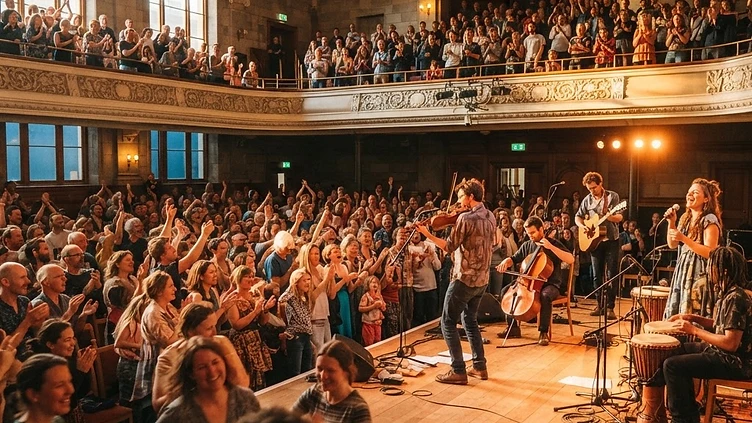
A Celebration of Gaelic Spirit Glasgow has recently hummed with the melodic resonance of Scotland’s ancient tongue as it played host to the Royal National Mòd. This premier festival for Gaelic language, music, and cultural arts brought a distinctive and heartening energy to the streets of the city. Over the course of nine days, from 9 to 17 October 2026, the metropolis became a beating heart for a community dedicated to the preservation and flourishing of their shared heritage. As a significant event in the cultural calendar of Scotland, the festival served as a powerful reminder of how traditional arts can bind a nation together through song, language, and performance. The scale of the undertaking was impressive, with An Comunn Gàidhealach organising a sophisticated programme that spanned sixteen different venues throughout the city. From the grand acoustic spaces of the Glasgow Royal Concert Hall to the more intimate corners of the city’s cultural landscape, the Mòd created an immersive environment for thousands of people. It was a rare opportunity to witness a living language in action, not merely as a subject of study, but as a vibrant, breathing medium of expression that continues to evolve with each passing year. For those who filled the venues, it was a chance to celebrate a unique part of the British cultural mosaic.
Thousands Gather for Tradition The statistics behind the event underscore its profound significance for the Gaelic-speaking community. More than 2,000 competitors arrived in the city, ready to test their skills and showcase their dedication to the craft. Whether they were masters of traditional music or emerging voices in the Gaelic arts, every participant contributed to an atmosphere of collective achievement. Behind them, a supportive tide of approximately 10,000 attendees moved through the various venues, creating a buzz that echoed across the region. This was not a passive observation of history but a dynamic, participative festival that encouraged engagement from learners and fluent speakers alike. The presence of so many competitors speaks volumes about the enduring strength of the Gaelic community. It is a testament to the work done by An Comunn Gàidhealach to ensure that this cultural pillar remains relevant in the twenty-first century. By providing a platform for such a large number of participants, the festival effectively bridges the gap between generations, ensuring that the nuances of Gaelic music and language are passed down with care and enthusiasm. Seeing the city alive with the sounds of traditional performance was a heart-warming sight, highlighting the resilience of a culture that refuses to be sidelined.
Musical Moments and Lasting Impact While the entire nine-day residency was filled with highlights, the spirit of the event reached a fever pitch as the calendar neared its end. The climax of the festivities, known as 'Gael Force 10', took place on 16 October at the historic Barrowland Ballroom. This finale provided a high-energy conclusion to a week defined by artistry and community spirit. It brought the collective energy of the previous days into a single, focused celebration, reminding everyone present that the Gaelic language is not just a remnant of the past but a forward-looking, contemporary force. The impact of this festival extends far beyond the final note played at the Barrowland Ballroom. By showcasing the richness of Gaelic heritage, the Mòd fosters a sense of pride and continuity that is vital for any thriving culture. The inclusivity of the event, welcoming both seasoned speakers and those just beginning their journey into the language, is perhaps its most significant achievement. It provides a secure environment for growth, ensuring that the next generation has the resources and the community support they need to maintain these traditions for years to come. In an era where cultural homogenisation is often feared, the vibrancy seen in Glasgow acts as a bold counter-narrative.
An Optimistic Path Forward Looking ahead, the success of the 2026 Mòd sets a positive trajectory for the future of Gaelic cultural arts in Scotland. The festival has clearly demonstrated that there is a significant, eager audience for this heritage, and that the dedication of those who perform and compete is as strong as ever. By bringing together such a diverse range of people across sixteen city venues, the organisers have shown how effective a structured, high-profile festival can be in keeping a tradition not only alive but truly flourishing. The Royal National Mòd serves as a shining example of how we can honour our roots while embracing the future. It has transformed Glasgow into a hub of cultural celebration, leaving behind a legacy of renewed passion and community cohesion. For those who took part, and for the wider Scottish public, the festival was a reminder that our cultural heritage is a living thing, requiring the active participation and the collective voice of thousands to keep it bright. As the city returns to its usual rhythm, the echoes of the Mòd continue to resonate, signalling a confident and vibrant future for Gaelic language and music across the region and beyond.
Originally reported by
All rights in the original reporting remain with the publishers below.
Originally reported by heraldscotland.com. Our feature is written independently from verified facts — please support the original reporting:
Read the original storyRelated Wins

 Culture
Chester Market Manager Named Best in Britain
Adele Thomas, the manager of Chester Market, has been named Market Manager of the Year by the National Association of British Market Authorities, recognizing her leadership and the market's sustained success.
North of England · 12 hours ago

 Culture
Lee Child backs launch of reading scheme to send prisons half a million books
A major new initiative led by author Lee Child is distributing nearly 500,000 books to prisons across the UK to improve literacy levels and support offender rehabilitation as part of the National Year of Reading 2026.
London & South · 19 hours ago

 Culture
A Joyful Milestone for Brereton Primary School
Brereton Church of England Primary School has received a glowing Ofsted report, with inspectors praising the school as a joyful and inclusive environment where every child feels safe and supported to thrive.
North of England · 1 day ago
The Sunshine Digest
One bright email each week — verified good news only, unsubscribe in a click.