Four in Five UK Farmers Now Committed to Nature-Friendly Regenerative Agriculture
A major 2026 industry report reveals that 80% of British farmers have adopted or are planning to implement regenerative techniques to restore soil health and combat rising costs. The milestone was celebrated at the 10th anniversary of the Groundswell festival, marking a significant shift in the nation's food production landscape.
The story in 20 seconds
20The 2026 Barclays Agriculture Customer Survey found that 80% of UK farmers are now either engaged with or planning for regenerative farming.
More than half (over 50%) of the farmers surveyed have already actively implemented these nature-friendly practices on their land.
The research was conducted as part of a comprehensive survey of agricultural customers in May 2026.
A Green Revolution in the Fields
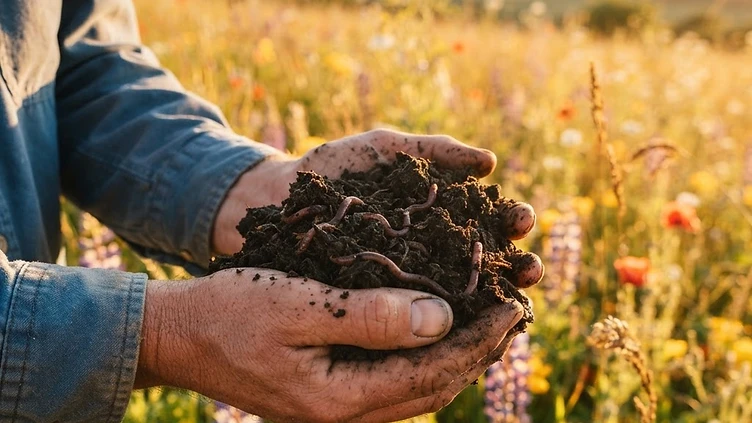
The landscape of British agriculture is undergoing a quiet but profound transformation. In July 2026, a milestone was reached that signals a new era for our countryside, as 80% of UK farmers officially committed to the principles of agriculture. This shift, identified by a comprehensive survey from Barclays Agriculture, represents more than just a change in technique; it marks a fundamental change in how we perceive the relationship between our land and our food. At the heart of this movement is a focus on soil health and biodiversity, ensuring that the fields that feed the nation are resilient enough to withstand the pressures of a changing climate. As thousands of growers gathered in for the 10th anniversary of the festival, the mood was one of optimism and determination, reflecting a collective move away from intensive industrial methods toward practices that work in harmony with nature rather than against it.
The Turning Point at Groundswell
The Groundswell festival, held at Lannock Farm, served as the perfect backdrop for this announcement on July 2nd, 2026. For a decade, this gathering has been a beacon for those looking to swap chemical reliance for ecological balance. This year, the event felt particularly significant as thousands of farmers, growers, and environmental convened to discuss the future of their industry. The festival provided a vital forum for sharing knowledge on sustainable agroecological techniques, offering a space where the practicalities of farming could meet the necessity of environmental stewardship. It is here that the true scale of the shift became clear, as the findings of the 2026 were unveiled to a receptive audience. Seeing so many individuals committed to these nature-friendly paths highlights a nationwide movement that is as grassroots as it is ambitious.
Understanding Regenerative Change
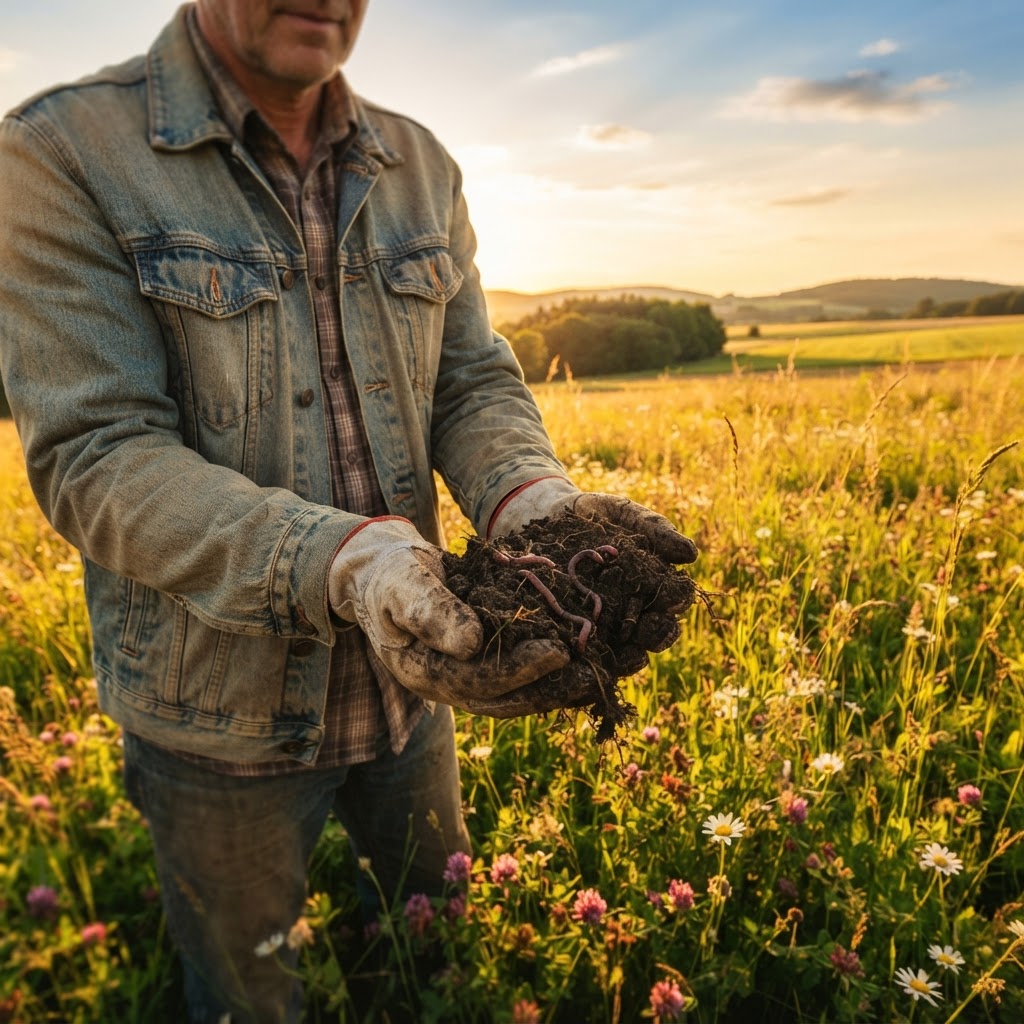
At its core, regenerative agriculture is about rejuvenation. It focuses heavily on enhancing soil microbial activity and fostering a richer, more diverse ecosystem within the farming landscape. By moving away from heavy chemical fertilizer use and lowering fuel dependency, farmers are finding ways to restore the vitality of their land. According to the research conducted in May 2026, which featured 22 specific questions on motivations and resilience, this transition is not just an environmental choice but a pragmatic business decision. With more than 50% of the farmers surveyed already having implemented these methods, it is evident that the transition is well underway. The move towards sustainability is effectively insulating these farms against unpredictable weather patterns and climate volatility, which have increasingly plagued crop yields in recent years.
Economics of a Sustainable Shift
While the environmental benefits are clear, the economic reality driving this change cannot be ignored. The survey identified that of farmers see rising input costs as the biggest hurdle for their businesses. By reducing the need for expensive chemical inputs, regenerative farming offers a pathway to long-term financial stability. It is a smart, calculated response to the economic pressures that have dominated the agricultural sector. Furthermore, the industry is stepping up to facilitate this change. Barclays has introduced '', a program offering discounted lending rates designed to support farmers as they shift their ecological strategies. This financial backing is a crucial component in ensuring that the transition is accessible to all, rather than being the preserve of a select few. It represents a vote of confidence in the regenerative model, acknowledging that sustainability is a prerequisite for financial viability.
Independence and Local Innovation
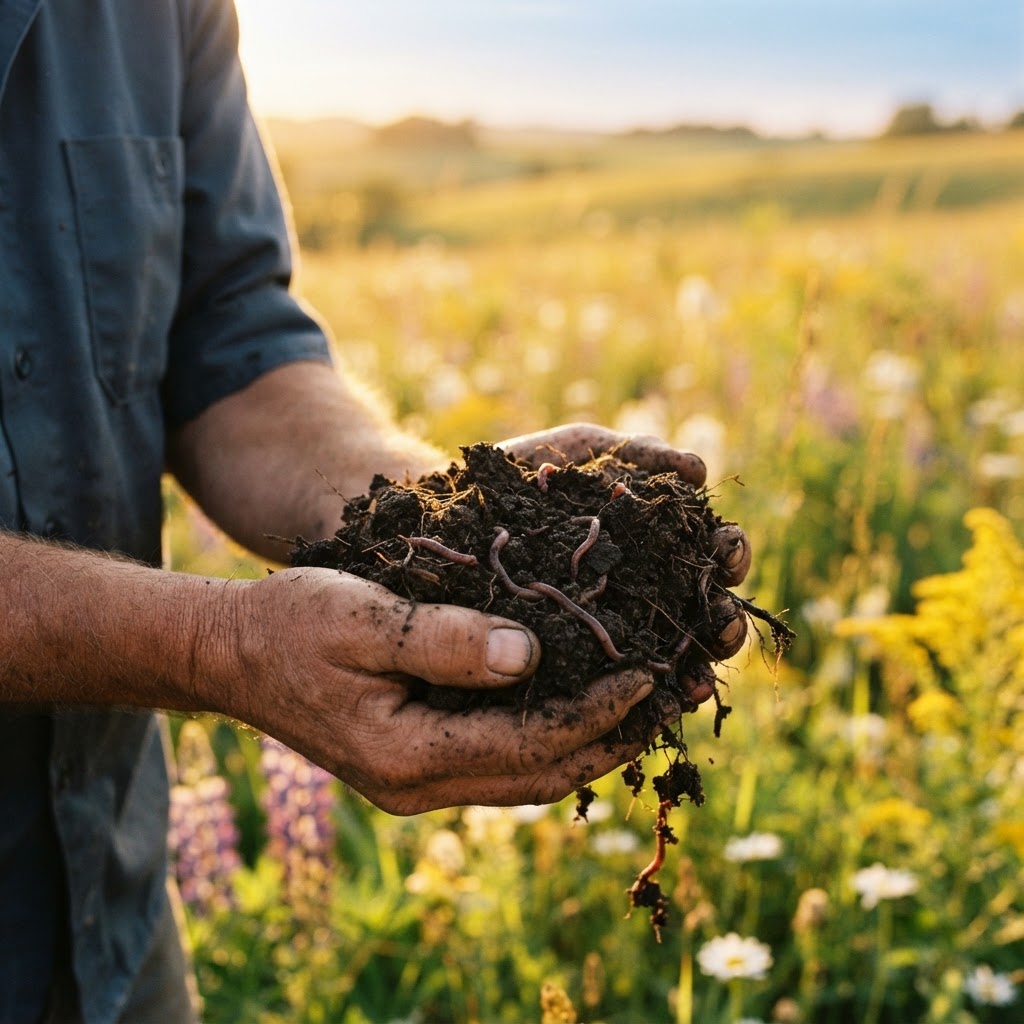
One of the most heartening aspects of the 2026 data is the degree of self-reliance shown by the farming community. Over 60% of those transitioning to sustainable methods developed their own management and transition plans entirely independently. This highlights a level of ingenuity and deep-rooted knowledge that is often overlooked. Farmers are not simply following a trend; they are meticulously redesigning their systems to suit the specific needs of their land. By leveraging their own expertise and testing new strategies, these individuals are creating bespoke solutions that address the unique challenges of their geography. This independence is a testament to the resilience of the British farming spirit, proving that the most effective change often comes from those closest to the soil.
Bringing Nature to the Table
As the adoption of regenerative practices grows, the conversation at events like Groundswell has naturally shifted toward the end consumer. Experts at the 2026 gathering spent considerable time discussing how to bridge the gap between nature-friendly farms and the supermarket shelf. The challenge lies in ensuring that the hard work of restoring biodiversity and soil health is reflected in a marketplace that the public can easily access. Increasing consumer access to regeneratively produced food is the next frontier. By aligning the goals of the farmer with the preferences of the shopper, the industry aims to ensure that sustainability is not just a farm-level achievement but a household reality. This integration is essential for creating a food system that is genuinely sustainable from the field to the fork.
A Resilient Future Ahead
Looking back at the last decade, the progress made by the British agricultural sector is nothing short of remarkable. What started as a niche interest has become a mainstream strategy, with 80% of farmers now either using or planning to use regenerative techniques. This is a vital response to the challenges of our time, ensuring that the UK food supply remains secure despite the backdrop of increasing climate volatility. The combination of grassroots innovation, supportive financial structures, and a clear vision for the environment is creating a robust framework for the future. As we move beyond 2026, the focus will undoubtedly remain on refining these techniques and scaling their impact. The story of British farming is being rewritten, not with chemicals and machines alone, but with a renewed respect for the land and a steadfast commitment to the future. It is a story of hope, intelligence, and the enduring power of nature to regenerate when given the right conditions.
Originally reported by
All rights in the original reporting remain with the publishers below.
Originally reported by Will regeneratively grown food become mainstream?. Our feature is written independently from verified facts — please support the original reporting:
Read the original storyRelated Wins

 Sport
SportCHESS PRODIGIES BREAK BARRIERS IN NATIONAL LEAGUE DEBUT
The 'She Plays to Win' Lionesses have made history by competing in the top division of the Four Nations Chess League, marking the culmination of three consecutive promotions. Despite facing unique regulatory challenges regarding team composition, the squad continues to demonstrate exceptional skill and camaraderie at the highest level of British chess.
London & South · 5 hours ago

 Science
NEW PATHWAYS TO DIAGNOSIS: CAMBRIDGE STUDY SHEDS LIGHT ON AUTOIMMUNE HEALTH
A landmark study from the University of Cambridge is paving the way for more accurate medical care by highlighting critical gender disparities in the diagnosis of autoimmune conditions. By identifying how and why these misdiagnoses occur, researchers are providing the evidence needed to ensure patients receive faster, more effective support for their physical health.
London & South · 5 hours ago

 Environment
A NATURAL REVIVAL FOR BARNES GREEN
A major river restoration project has successfully transformed the Beverley Brook at Barnes Green into a thriving, natural habitat. This initiative has introduced a meandering river channel and a new island, significantly boosting local flood resilience and biodiversity.
London & South · 11 hours ago
The Sunshine Digest
One bright email each week — verified good news only, unsubscribe in a click.