Edinburgh Zoo Welcomes Capybara Triplets
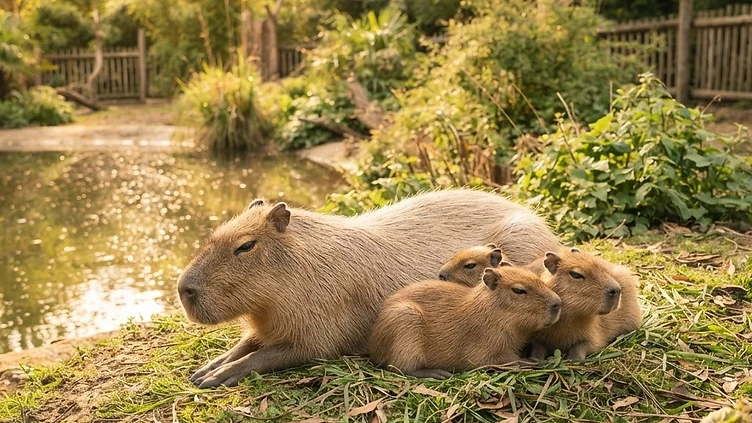
The capybara family at Edinburgh Zoo has expanded with the arrival of three healthy pups, born to parents Luna and Rodney. These new additions follow the birth of their older brother, Bru, who made headlines earlier this year as the first of his species born in Scotland in nearly two decades.
The story in 20 seconds
20The three capybara pups were born overnight on October 28, 2026, at Edinburgh Zoo.
The parents are Luna and Rodney, who also welcomed a pup named Bru in May 2026.
Bru was the first capybara born in Scotland in 18 years.
A New Chapter for Edinburgh Zoo
There is a palpable sense of excitement echoing through the enclosures of this week, following the wonderful announcement of three new arrivals within the capybara family. On the morning of October 28, 2026, staff at the attraction discovered that the zoo’s resident capybara pair, Luna and , had become parents once again. These three healthy pups arrived overnight, marking a significant and heartwarming expansion for the family unit. The news has brought a cheerful buzz to the Scottish capital, as animal lovers and conservationists alike celebrate the flourishing of this unique group in their home at 134 Corstorphine Road. For those unfamiliar with these gentle giants, capybaras are celebrated globally as the world’s largest rodents. Originally hailing from the lush, sprawling wetlands of South America, they have captured the public imagination with their calm demeanour and distinctive appearance. To see them thriving in a Scottish environment is a testament to the dedication of the team at of . The arrival of these triplets is not just a joyous occasion for the zoo; it represents a meaningful milestone for the conservation breeding programmes that form the backbone of the facility's mission.
Building a Family Legacy
The story of this growing capybara family actually began earlier this year, setting the stage for this latest development. In May 2026, Luna and Rodney welcomed their first pup, Bru, into the world. That birth was a landmark moment for Scotland, as Bru became the first capybara born in the country in nearly two decades. The fact that this same pair has successfully produced another litter just months later is a source of great pride for the and staff involved. It signals that the environment provided at Edinburgh Zoo is exceptionally well-suited to the needs of these animals. While capybara pups generally weigh between 1.5kg and 2.5kg, the focus right now is entirely on their early development and the essential bonding process between the mother and her offspring. The Royal Zoological Society of Scotland has confirmed that Luna is currently bonding beautifully with her three new arrivals, keeping a watchful eye on them as they settle into their surroundings. This period of quiet nurturing is crucial for the stability and health of the pups as they begin to explore their enclosure.
Health and Future Prospects
As the excitement of the initial birth announcement settles, the team at Edinburgh Zoo is preparing for the next phase of the pups’ development. Keepers are currently planning a series of health checks to monitor the progress of the triplets. During these routine assessments, the team will be able to determine the gender of each pup and begin the process of assigning them names. These health evaluations are standard practice, ensuring that every individual animal receives the best possible start in life. The data gathered during these checks will also contribute valuable insights into the care and husbandry of the species, further supporting the broader conservation efforts held by the zoo. It is an intricate process, requiring patience and expertise, but the rewards are seen in the continued growth and vitality of the family. The presence of Bru, the older brother, adds an extra layer of interest to the dynamics of the enclosure. Watching how the family unit integrates the new arrivals will surely be a highlight for the keepers, who remain committed to providing an enriching environment for all the animals in their care.
Why This Matters for Scotland
The birth of these capybara triplets is more than just a local interest story; it highlights the effectiveness of the zoo's conservation and breeding initiatives. By creating a successful habitat for these fascinating creatures, Edinburgh Zoo is playing a key role in public education and animal welfare. The fact that Scotland has gone from a eighteen-year gap in capybara births to welcoming four pups in a single year is a clear success story. It showcases the capability of the Royal Zoological Society of Scotland to facilitate successful breeding and high-standard animal care. As the winter months approach, the focus remains on ensuring that Luna, Rodney, and their four youngsters—Bru and his new siblings—are kept warm, comfortable, and healthy. Visitors to the zoo will no doubt be keen to catch a glimpse of the expanding group, though the priority remains the welfare of the animals. Looking ahead, the survival and thriving of this family offer a bright, optimistic outlook for the zoo’s future. The success of the last few months sets a positive precedent for the continued care of the species in Scotland. With the triplets now bonding with their mother and Bru growing steadily, the capybara enclosure at 134 Corstorphine Road remains a place of warmth, growth, and natural wonder, serving as a reminder of the vital work being done within the heart of Edinburgh to protect and celebrate biodiversity.
Originally reported by
All rights in the original reporting remain with the publishers below.
Originally reported by Edinburgh Zoo welcomes three capybara pups just months after birth of 'sensation' Bru. Our feature is written independently from verified facts — please support the original reporting:
Read the original storyRelated Wins

 Culture
Ancient Welsh Manuscripts Reunited After a Millennium
A historic collection of medieval manuscripts is returning to Wales to be displayed together for the first time in nearly 1,000 years. This landmark exhibition offers a rare opportunity to view these cultural treasures, which were originally produced at a renowned Welsh centre of learning, in their homeland.
Wales · 2 hours ago

 Environment
TRIPLE JOY AT EDINBURGH ZOO AS CAPYBARA FAMILY GROWS
Edinburgh Zoo is celebrating the arrival of three new capybara pups, marking a significant expansion for the zoo’s popular rodent family. The triplets were born overnight on October 28 to parents Luna and Rodney, joining their older brother, Bru, who captured hearts earlier this year.
Scotland · 14 hours ago

 Culture
Knutsford Artists Capture the Town’s Creative Spirit
The annual Paint Knutsford event brought together local artists and the community to celebrate the town's unique character through an outdoor painting competition and exhibition held at the Market Hall.
North of England · 19 hours ago
The Sunshine Digest
One bright email each week — verified good news only, unsubscribe in a click.