Cornish Gallery Unveils Major Retrospective of Modernist Icon
Tate St Ives has launched a comprehensive exhibition celebrating the eight-decade career of pioneering abstract artist Wilhelmina Barns-Graham. The retrospective showcases the evolution of her work from early coastal landscapes to the vibrant, gestural compositions that defined her later years.
The story in 20 seconds
20The exhibition opened to the public on 24 October 2026.
It is scheduled to remain on display until 3 May 2027.
The retrospective is hosted at Tate St Ives, located on Porthmeor Beach.
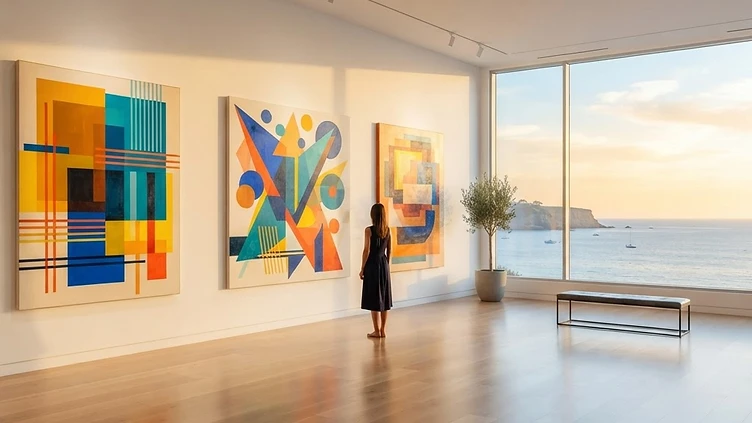
A Landmark Celebration of Modernism At Tate St Ives
There is a palpable sense of excitement sweeping across the cliffside at this autumn as Tate St Ives opens its doors to a truly monumental tribute. The coastal gallery has launched a comprehensive retrospective dedicated to the enduring creative spirit of , a figure who stands as a titan of British modernism. Running from 24 2026 until 3 May 2027, this expansive exhibition serves as a profound homage to an eight-decade career that forever altered the landscape of abstract art. For art enthusiasts across the United Kingdom, this is a rare opportunity to witness the sheer breadth of a life lived through colour and form, curated with meticulous care by Katy Norris and .
The Evolution of an Artistic Vision
The journey through the exhibition is a testament to growth and transformation. Visitors are invited to trace Barns-Graham's trajectory starting from her origins in St Andrews, where she was born in 1912, through her formative training at the of Art. The narrative deepens significantly with her relocation to St Ives in 1940, a move that placed her at the very heart of a burgeoning modernist community. In the company of visionaries like and Ben Nicholson, Barns-Graham found a fertile ground for her imagination, helping to define the artistic identity of the region. This retrospective masterfully captures that evolution, moving from the serene clarity of her early coastal landscapes to the bold, gestural dynamism that characterised her late-career works, including the iconic '' series. By presenting these pieces side-by-side, the curators offer a vivid portrait of an artist who never stopped questioning, exploring, or reinventing her relationship with the canvas.
Glaciers and the Geometry of Emotion
Perhaps the most striking achievement of this exhibition is its ambitious focus on the artist's fascination with the natural world. The collection features the largest-ever museum presentation of her glacier-themed works, a series that remains one of the most celebrated chapters of her career. These pieces are not merely depictions of ice; they are complex studies of structure, light, and movement that highlight Barns-Graham's technical prowess and emotional depth. As guests wander through these rooms at Tate St Ives, the juxtaposition of the gallery’s dramatic coastal setting with these evocative, icy compositions creates a resonance that is hard to forget. It serves as a powerful reminder of how a single artist can bridge the gap between the geological majesty of the earth and the fluid abstractions of the modern mind.
Preserving a Legacy for Future Generations
The scale of this retrospective is made possible through a collaboration with the , an organisation dedicated to safeguarding the artist's legacy. This partnership ensures that her contributions to British art are not only celebrated but are also preserved for new generations of visitors to study and enjoy. Supported by the Wilhelmina Barns-Graham Exhibition Supporters Circle, the project carries a sense of duty and devotion that feels distinctly warm and optimistic. This is not just a showcase of historic paintings; it is a vital act of cultural stewardship that brings the history of the St Ives modernist movement into sharp, contemporary focus. The exhibition invites us all to consider the impact of an artist who arrived in Cornwall in 1940 and proceeded to weave her own unique story into the tapestry of British art history.
Looking Ahead to Chichester
As the exhibition settles into its home on Porthmeor Beach, there is a sense of momentum that extends far beyond the Cornish coast. The retrospective serves as a cornerstone of the regional cultural calendar, reminding us of the immense talent that has long been nurtured within Britain’s artistic communities. For those unable to make the trip to Cornwall before the exhibition closes on 3 May 2027, there is hope on the horizon. The collection is scheduled to travel to the Pallant House Gallery in Chichester in May 2027, ensuring that this significant body of work continues to reach and inspire audiences across the country. In these difficult times, witnessing such a thorough and celebratory look at a pioneering career offers a refreshing perspective. It reminds us that creativity is an enduring force, and that by revisiting the works of masters like Barns-Graham, we can find renewed energy to appreciate the art that shapes our culture. The exhibition is a triumph of organisation and vision, standing as a fitting tribute to a woman whose life's work remains as vibrant and thought-provoking today as it was across the many decades of her illustrious career.
Originally reported by
All rights in the original reporting remain with the publishers below.
Originally reported by theguardian.com. Our feature is written independently from verified facts — please support the original reporting:
Read the original storyRelated Wins

 Health
World’s largest early warning system for severe child illness to launch in NHS A&Es across England
A pioneering early warning system is being rolled out across emergency departments in England to help clinicians rapidly identify and treat children whose health is deteriorating. By standardising how vital signs are monitored and ensuring that the concerns of parents and carers trigger immediate action, this initiative aims to save young lives this winter and beyond.
London & South · 1 hour ago

 Tech
NEW TECH EMPOWERS INDEPENDENCE FOR BLIND AND PARTIALLY SIGHTED LONDONERS
Innovative AI-powered smart glasses are providing a transformative boost to accessibility for the millions of blind and partially sighted people across the UK. By offering real-time obstacle detection and text-to-speech capabilities, this technology is helping users navigate their surroundings with newfound confidence and autonomy.
London & South · 1 hour ago

 Culture
A Thriving Creative Hub: Middlewich Pottery Studio Celebrates Growth
Cheshire Clay Studio in Middlewich has been recognized as a major local success story for its role in fostering community creativity, skill development, and wellbeing, following a visit from local council leaders.
North of England · 6 hours ago
The Sunshine Digest
One bright email each week — verified good news only, unsubscribe in a click.