CITIZEN SCIENTISTS PROTECT THE THAMES
A dedicated group of volunteers is working to restore the health of the River Thames by tracking plastic pollution and monitoring the impact of waste on the capital’s iconic waterway. Through the Thames River Watch programme, these citizen scientists provide vital data that helps environmental experts understand and mitigate the damage caused by single-use plastics.
The story in 20 seconds
20The Thames River Watch programme has been active since 2013, training Londoners to monitor the ecological health of the tidal Thames.
Volunteers conduct regular surveys to identify and remove plastic litter, including wet wipes, food wrappers, and drink bottles.
Data collected by these citizen scientists has been instrumental in campaigns to reduce single-use plastic pollution in the capital.
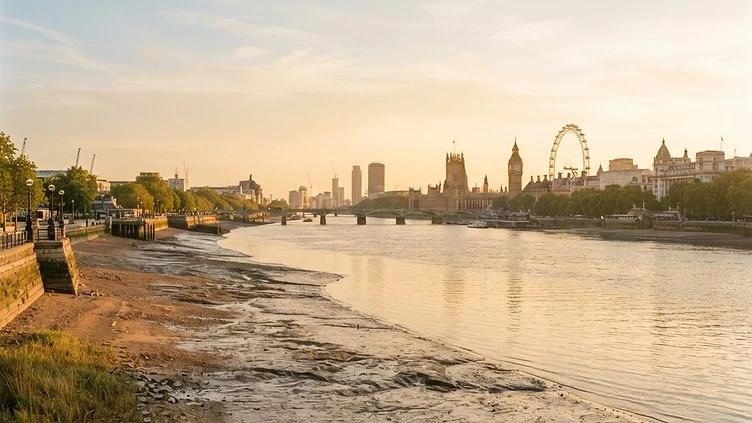
Guardians of the Iconic Thames
The River is more than just an iconic waterway flowing through the heart of London; it is a living, breathing artery that defines the character of the city. For over a decade, a growing movement of dedicated local residents has been working tirelessly to protect this vital natural resource. Since 2013, programme has been empowering citizen scientists to take ownership of their local environment, transforming the way we perceive and manage the health of the tidal Thames. By stepping onto the riverbanks, these are doing much more than picking up litter; they are participating in a sophisticated mission of ecological monitoring that has become essential to the capital’s environmental health.
Organised by Thames21, this initiative invites Londoners from all walks of life to contribute to a deeper scientific understanding of the river. Through rigorous training, these volunteers learn how to conduct surveys that meet high scientific standards, ensuring that the information they gather can be used by environmental experts to influence real change. This grassroots approach fills a crucial gap in official monitoring, providing long-term data that captures the reality of plastic pollution in ways that larger, less frequent statutory reports might miss. It is a remarkable example of how community-driven action can scale up into a serious force for environmental restoration.
The Battle Against Plastic Waste
Walking along the foreshore at low tide, the scale of the challenge becomes immediately apparent. The Thames River Watch volunteers are on the front lines of a persistent battle against single-use plastic pollution. Their regular surveys involve identifying and removing a wide range of items, from discarded food wrappers and drink bottles to the more insidious problem of wet wipes. These items, often sewage-derived, do not simply wash away; they accumulate in the environment, creating physical changes to the structure of the riverbed itself. The dedication of these individuals is highlighted by the sheer volume of their work, as they have historically removed hundreds of thousands of pieces of plastic waste from the riverbanks over the last decade.
This hands-on work serves a dual purpose. By physically clearing the riverbanks, volunteers are directly improving the immediate habitat for local wildlife, supporting broader goals to boost biodiversity in the Thames catchment. Simultaneously, they are acting as the eyes and ears of the river, recording the types and locations of waste. This data provides a detailed map of pollution hotspots, including areas near the , allowing Thames21 to work effectively with partners to advocate for better infrastructure management. It is this combination of manual labour and data collection that makes the programme so uniquely impactful.
Data Driving Positive Change
Information is a powerful tool, and the data collected by these citizen scientists has been instrumental in shaping campaigns aimed at reducing single-use plastic pollution across London. By providing a clear, evidence-based picture of how waste enters and affects the river, the programme helps environmental managers implement more effective strategies. When volunteers record their findings, they are not merely documenting a problem; they are building a case for policy improvements that can protect the river for years to come. This commitment to rigour ensures that the community's voice is backed by credible science, bridging the divide between local activism and formal environmental management.
efforts have particularly focused on monitoring the impact of new infrastructure on sewage-derived litter. As the city continues to develop, understanding how these changes affect the river’s ecosystem is vital. The volunteers, through their consistent and detailed observations, provide the essential feedback loop needed to assess whether these infrastructure improvements are delivering the promised benefits for water quality. This proactive approach ensures that environmental management remains responsive to the actual conditions observed on the ground, creating a more dynamic and effective system for long-term ecological protection.
A Future Built on Stewardship
Beyond the scientific benefits, the Thames River Watch programme plays a profound role in fostering community spirit and connection. It invites residents to re-engage with their local natural environment, transforming the Thames from a backdrop into a central part of their lives. By participating in these surveys, people gain a deeper understanding of the river's ecological complexity, shifting the perspective from passive observation to active stewardship. This sense of ownership is perhaps the most optimistic outcome of the initiative, as it builds a constituency of citizens who are genuinely invested in the long-term health of the capital’s most important waterway.
Looking ahead, the success of the Thames River Watch programme stands as a testament to the power of citizen science. It proves that when communities are given the training and the tools to participate in environmental monitoring, they can make a significant, measurable difference. As the programme continues to grow and evolve, it remains a vital component in the effort to improve water quality and increase biodiversity in the Thames catchment. Through the continued dedication of these volunteers, the future of the river looks brighter, secured by the hands of those who care for it most.
Originally reported by
All rights in the original reporting remain with the publishers below.
Originally reported by ‘It’s not glamorous’: the volunteers counting flushed wet wipes on the banks of the Thames. Our feature is written independently from verified facts — please support the original reporting:
Read the original storyRelated Wins

 Sport
SportCHESS PRODIGIES BREAK BARRIERS IN NATIONAL LEAGUE DEBUT
The 'She Plays to Win' Lionesses have made history by competing in the top division of the Four Nations Chess League, marking the culmination of three consecutive promotions. Despite facing unique regulatory challenges regarding team composition, the squad continues to demonstrate exceptional skill and camaraderie at the highest level of British chess.
London & South · 1 hour ago

 Science
NEW PATHWAYS TO DIAGNOSIS: CAMBRIDGE STUDY SHEDS LIGHT ON AUTOIMMUNE HEALTH
A landmark study from the University of Cambridge is paving the way for more accurate medical care by highlighting critical gender disparities in the diagnosis of autoimmune conditions. By identifying how and why these misdiagnoses occur, researchers are providing the evidence needed to ensure patients receive faster, more effective support for their physical health.
London & South · 1 hour ago

 Environment
A NATURAL REVIVAL FOR BARNES GREEN
A major river restoration project has successfully transformed the Beverley Brook at Barnes Green into a thriving, natural habitat. This initiative has introduced a meandering river channel and a new island, significantly boosting local flood resilience and biodiversity.
London & South · 7 hours ago
The Sunshine Digest
One bright email each week — verified good news only, unsubscribe in a click.