Celestial Dawn: Mercury Becomes Visible to the Naked Eye Across the Midlands
Stargazers across the Midlands are preparing for a rare astronomical event as Mercury reaches its most visible position in the morning sky. For a limited time this August, the solar system’s smallest planet will emerge from the sun’s glare, offering a spectacular sight for early risers.
The story in 20 seconds
20Mercury has a diameter of approximately 4,879 kilometres, making it only slightly larger than the Earth's moon.
The planet travels at an average orbital speed of 47 kilometres per second, the fastest in the solar system.
It takes just 88 Earth days for Mercury to complete one full revolution around the sun.
A Rare Dawn Delight For The Midlands
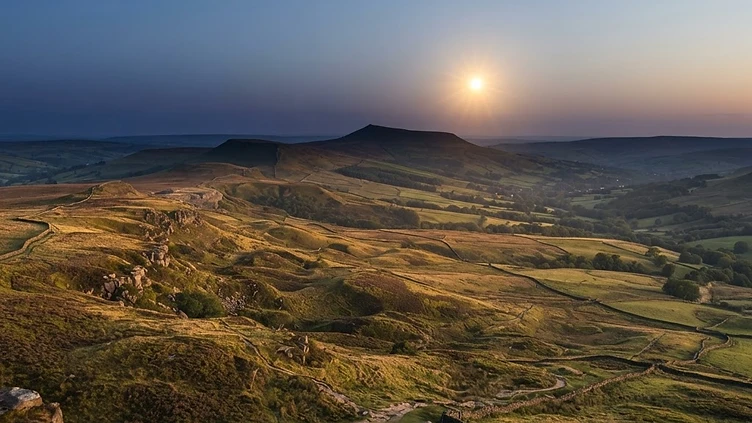
There is a quiet magic currently stirring across the Midlands as the morning sky prepares to host an exceptional visitor. Throughout early 2026, residents across Leicestershire, , Derbyshire, and the wider West Midlands will have a unique chance to witness the solar system’s smallest planet, , making a rare appearance. Often elusive and frequently hidden within the brilliant glare of the sun, this tiny world is stepping out from the shadows to greet those willing to rise before the dawn. It is an opportunity that brings the vast mechanics of our solar system directly into our own backyards, offering a moment of connection with the cosmos that requires nothing more than a clear sky and a keen eye.
Chasing The Elusive Morning Star
For those eager to spot this cosmic traveller, timing is everything. To catch Mercury at its best, stargazers should set their alarms for about 45 to 60 minutes before the local sunrise. At this time, the planet will be positioned between 10 and 12 degrees above the horizon in the East-North-East. While Mercury is normally quite shy, this phenomenon, known as the greatest western elongation, pushes the planet just far enough away from the sun’s blinding reach to make it visible to the naked eye. It will appear as a steady, bright point of light, sometimes distinguished by a subtle yellowish or pinkish hue. If you find yourself searching the horizon, look for the planet , which will be shining brightly in the morning sky as a useful guidepost to help locate its smaller neighbour. While can certainly make the search easier, the beauty of this event is its simplicity, as no expensive equipment is required to enjoy the spectacle.
A World Of Extremes Close By
Though Mercury may appear as just a gentle pinprick of light in our morning sky, it is a world of dramatic intensity. With a diameter of approximately 4,879 kilometres, it is only slightly larger than our own moon. The surface of this rapid traveller is heavily cratered and scarred, bearing a striking resemblance to the lunar landscape, largely because the planet lacks a thick atmosphere to protect it. This lack of an atmospheric blanket leads to extreme temperature shifts, with the surface soaring to a scorching 430 degrees during the day, only to plummet to a bone-chilling -180 degrees Celsius once darkness falls. Speed is another hallmark of this fascinating planet; it travels at an average orbital velocity of 47 kilometres per second, securing its title as the fastest planet in our solar system. Remarkably, it completes a full revolution around the sun in just 88 days. By observing it this August, we are witnessing a tiny, hyper-active world that is constantly racing through the vastness of space.
A Summer Of Celestial Wonder
The excitement surrounding Mercury’s appearance is part of a broader, wonderful season of planetary alignments unfolding throughout the 2026 summer. For those in the Midlands who wish to deepen their appreciation of the night sky, hubs like , conveniently located just 1.5 miles from the city centre, stand ready to inspire the next generation of astronomers. The fact that such a rare celestial event is accessible to everyone, from curious children to seasoned observers, serves as a poignant reminder of our place in the universe. It is a chance to step away from the bustle of daily life and look upward, finding a moment of calm and wonder in the quiet, cool air of an August morning. As the golden light of the sun begins to climb over the horizon, knowing that you have just witnessed one of the solar system’s most elusive members is a truly rewarding experience. Whether you are observing from a quiet garden in Derbyshire or a city park in the West Midlands, the morning sky belongs to us all this summer. So, gather your blanket, prepare a hot drink, and keep your gaze fixed on the East-North-East. With the guidance of the morning stars, Mercury is waiting to be found, providing a brief but unforgettable display of the clockwork precision that governs our corner of the galaxy. This is a rare, accessible opportunity to experience the scale and beauty of space, and it is a reminder of how much there is to discover if we only take the time to look.
Originally reported by
All rights in the original reporting remain with the publishers below.
Originally reported by Starwatch: Mercury to reach farthest point from the sun. Our feature is written independently from verified facts — please support the original reporting:
Read the original storyRelated Wins

 Science
NEW PATHWAYS TO DIAGNOSIS: CAMBRIDGE STUDY SHEDS LIGHT ON AUTOIMMUNE HEALTH
A landmark study from the University of Cambridge is paving the way for more accurate medical care by highlighting critical gender disparities in the diagnosis of autoimmune conditions. By identifying how and why these misdiagnoses occur, researchers are providing the evidence needed to ensure patients receive faster, more effective support for their physical health.
London & South · 4 hours ago

 Tech
TechNEW SUPERMARKET GREEN-LIT FOR WARWICKSHIRE
A new Lidl supermarket has been granted planning permission in Warwick, marking a significant step forward for local retail infrastructure. The development will transform a vacant industrial site into a modern shopping facility, bringing new investment and convenience to the community.
Midlands · 4 hours ago

 Culture
Birmingham’s Fierce Festival Returns with Bold Artistic Vision
Birmingham’s long-running live art festival has returned to the city, transforming unconventional spaces into vibrant stages for experimental performance. The event showcases a diverse range of creative works, including immersive installations and unique site-specific productions that challenge traditional theatre boundaries.
Midlands · 16 hours ago
The Sunshine Digest
One bright email each week — verified good news only, unsubscribe in a click.