Blue Planet III features cloudier footage to prove authenticity amid AI boom
The producers of the latest Blue Planet series are prioritising raw, unpolished footage to guarantee viewers that every frame of their underwater exploration is genuine. By intentionally including cloudier and less perfect shots, the team aims to distinguish authentic natural history from the rise of synthetic AI-generated imagery.
The story in 20 seconds
20Blue Planet III is a six-part series produced by the BBC Studios Natural History Unit.
The series is narrated by Sir David Attenborough, who is in his 101st year.
Producers confirmed that zero generative AI was used in the creation of the series.
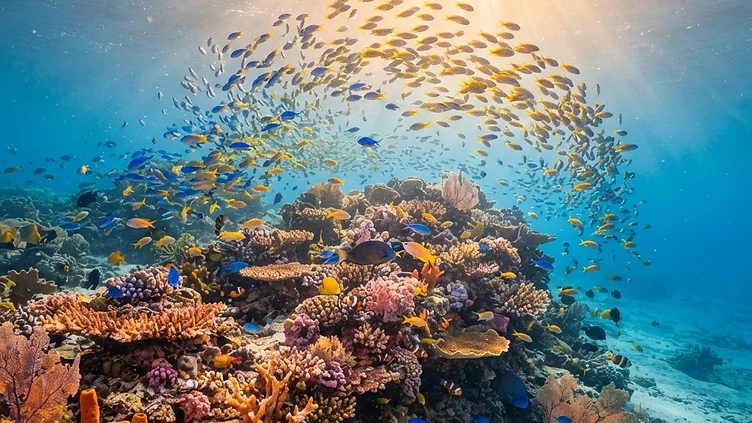
A Glimpse Beneath the Waves
As we approach the twenty-fifth anniversary of the original , the anticipation for its latest iteration has reached fever pitch across the United Kingdom. is set to launch Blue Planet III, a monumental six-part series that promises to transport audiences from the freezing polar depths to the vibrant, sun-drenched beauty of tropical reefs. With the legendary , now in his 101st year, lending his iconic voice to the project, the series stands as a testament to both endurance and the enduring appeal of our natural world. Premiering on Sunday, 1 2026, at 8pm on BBC One and iPlayer, this production serves as a landmark moment in television history, representing a collaboration between the UK-based team and international partners such as ZDF and Télévisions, all in partnership with .
Standing Firm Against the Digital Tide
In a modern era defined by the rapid rise of synthetic imagery, the of Blue Planet III have made a bold and principled commitment to absolute reality. Amid the noise of the AI boom, the team has taken the definitive step of excluding all generative AI from their production. This choice is more than a technical preference; it is a vital stand for scientific integrity. By ensuring that every frame of their underwater exploration is genuine, the producers aim to uphold the highest standards of trust that the BBC has cultivated over decades of natural history filmmaking. This move reinforces the belief that the true, unscripted wonders of our marine life are far more compelling than any manufactured simulation could ever hope to be.
Embracing the Beauty of Reality
Perhaps the most intriguing aspect of the upcoming series is the team’s deliberate choice to include footage that might be described as or less than perfect. While modern technology often pushes for clinical, crystalline visuals, the producers have intentionally opted for a raw and unpolished aesthetic. This stylistic decision serves as a subtle, visual guarantee to the viewer that what they are seeing is authentic. It is a refreshing departure from the flawless digital trends of the day, proving that a slightly murky shot of a rare creature in its natural habitat holds far more value than a pristine, computer-generated render. This transparency regarding the production process is designed to foster a deeper, more honest connection between the audience and the marine environments being documented. To capture such scenes, the team employed sophisticated tools including splash drones and advanced mini-dome cameras. These technologies allowed them to navigate challenging marine environments across the globe while maintaining the integrity of the natural, real-world encounter. By choosing to present these scenes as they truly appeared on camera, the series invites us to appreciate the rugged reality of the ocean, rather than an idealized, sterile version of it.
Looking to a Brighter Future
The arrival of Blue Planet III arrives at a time when audiences are increasingly discerning about the authenticity of the media they consume. As we count down the days until the November premiere, there is a palpable sense of optimism surrounding the project. By prioritizing the genuine over the synthetic, the series reminds us of the profound power of natural history to ground us in the real world. It is a celebration of the extraordinary, unpredictable nature of marine life, which continues to surprise and inspire even after twenty-five years of Blue Planet exploration. As Sir David Attenborough guides us once more through these hidden realms, we are reminded that our role as observers is to witness the truth, no matter how cloudy or unfiltered that vision might be. This series is poised to define a new chapter in documentary filmmaking, where honesty is not just an editorial goal, but the cornerstone of storytelling itself. We look forward to this journey with a renewed appreciation for the wonders that occur beneath the surface, captured not by algorithms, but by the dedicated work of those who seek the genuine beauty of our planet. As the premiere date nears, the promise of this six-part series stands as a beacon for viewers everywhere, offering a glimpse into the mysterious depths that remain both authentic and awe-inspiring, keeping the legacy of the BBC’s natural history excellence alive for a new generation.
Originally reported by
All rights in the original reporting remain with the publishers below.
Originally reported by theguardian.com. Our feature is written independently from verified facts — please support the original reporting:
Read the original storyRelated Wins

 Environment
‘You need persistence’: the Norfolk couple who took on environmental regulators three times – and won
Environmental campaigners have secured a landmark legal victory to protect one of the UK’s most precious wetland habitats from agricultural pollution. A High Court ruling has confirmed that the national nature regulator must take active, decisive steps to safeguard the delicate ecosystem of Catfield Fen in Norfolk.
London & South · 7 hours ago

 Tech
BRITAIN INVESTS IN AI-DRIVEN SECURITY AND WORKER PROTECTION
The UK government has announced a significant £600 million investment package aimed at harnessing artificial intelligence to bolster national security while ensuring the workforce is supported. This initiative includes the creation of a specialized biosecurity laboratory and dedicated funding to protect employees from the potential disruptions of emerging technologies.
Midlands · 7 hours ago

 Science
‘Bespoke’ mRNA vaccine significantly reduces risk of melanoma recurrence or death, clinical trial shows
A groundbreaking clinical trial has revealed that a bespoke mRNA vaccine can significantly reduce the risk of melanoma returning or causing death. By training the immune system to identify and attack unique mutations in a patient's specific tumour, this personalised approach marks a major shift in cancer treatment.
London & South · 13 hours ago
The Sunshine Digest
One bright email each week — verified good news only, unsubscribe in a click.