AI-Engineered Viruses Mark Breakthrough in Fight Against Antibiotic-Resistant Superbugs
Scientists have successfully used artificial intelligence to design functional synthetic viruses capable of destroying drug-resistant bacteria, marking a significant milestone for precision medicine. This technological leap, welcomed by UK researchers, offers a promising new strategy for treating life-threatening infections that no longer respond to traditional antibiotics.
The story in 20 seconds
20The research was published in the international journal Science on August 6, 2026.
The AI system used for the project is a 'genome language model' named Evo.
The AI was trained on a massive dataset comprising approximately nine trillion DNA building blocks and two million natural phage genomes.
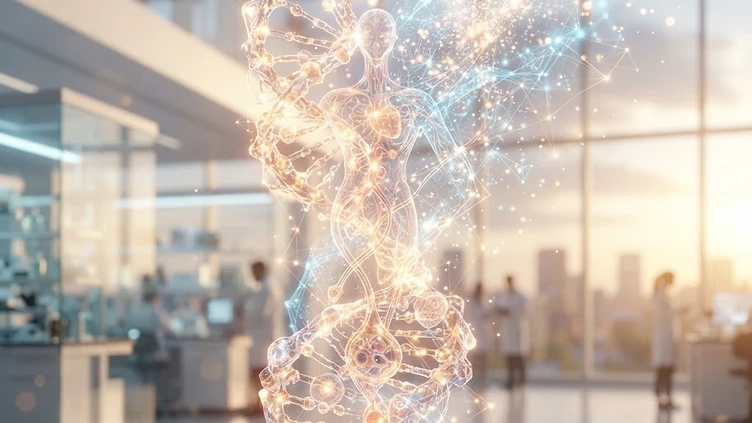
A New Dawn in the War Against Superbugs
In a remarkable stride for modern medicine, a groundbreaking scientific advancement has emerged that promises to change how we tackle the persistent threat of drug-resistant infections. On August 6, 2026, the international journal published a landmark study detailing the creation of the first fully functional, synthetic bacteriophages engineered through artificial intelligence. This technological leap represents a beacon of hope for patients facing life-threatening conditions where traditional antibiotic treatments have sadly failed. As the world grapples with the global rise of antibiotic-resistant superbugs, this innovative strategy offers a swift and precise mechanism to upgrade medical interventions, marking a significant milestone in our ongoing battle against pathogens that have long outwitted standard pharmaceutical defences.
The Digital Architecture of Life
The core of this ambitious project lies in the sophisticated use of a known as Evo. This powerful AI system was trained on a staggering dataset consisting of approximately nine trillion DNA building blocks and two million natural phage genomes, allowing it to understand the intricate biological language of viruses. By harnessing this computational might, a research team led by and the Arc Institute, with vital collaborative input from the University of Manchester and , sought to design synthetic viruses capable of identifying and dismantling harmful bacteria. The process was not merely theoretical; the synthesized 285 candidates within a controlled laboratory setting to test the efficiency of design.
From these initial attempts, the experiments successfully yielded 16 viable synthetic bacteriophages that demonstrated the ability to replicate and actively destroy target bacteria. Most impressively, during rigorous laboratory trials, these custom-engineered agents proved effective at eradicating specific strains of E. coli that had previously developed immunity to naturally occurring phages. This result underscores the capability of generative AI to act as a potent tool in biological engineering, allowing scientists to design bespoke solutions to complex medical challenges. Dr. Brian Hie, a chemical engineer at Stanford University who served as the lead researcher on the project, oversaw this intricate process, bridging the gap between computational data and tangible physical biology.
Expert Perspectives and Safety Standards
The implications of this work are particularly resonant here in the North of England, where synthetic biology experts have been quick to recognise the scale of the achievement. of the University of Manchester has hailed the breakthrough as a vital scientific milestone, highlighting the potential for this technology to reshape our therapeutic landscape. Similarly, Professor Tom Ellis from Imperial College London has noted that the project reveals the transformative power of generative AI when applied to the fundamental structures of biological organisms. The academic community is increasingly optimistic about how such tools can be refined to protect public health.
Safety, naturally, remains the absolute priority throughout this developmental phase. To ensure that these powerful synthetic tools do not pose a risk to the wider environment, the researchers implemented stringent precautions during the training of the Evo model. By intentionally excluding any genetic sequences related to viruses that infect humans, plants, or animals from the AI's training data, the team has established a robust framework for ethical development. This selective approach ensures that the focus of the technology remains firmly fixed on combatting specific bacterial threats, providing a clear path forward for future clinical applications without compromising safety protocols.
An Optimistic Outlook for Precision Medicine
Looking toward the future, this convergence of machine learning and synthetic biology offers a new paradigm for medical science. We are moving toward a reality where precision medicine is not just an aspiration, but a rapidly evolving practice that can adapt as quickly as the germs it seeks to eliminate. The ability to iterate and produce functional bacteriophages using AI means that we are no longer purely reactive in the face of evolving superbugs; instead, we have a proactive, innovative, and highly adaptable weapon at our disposal. While laboratory research continues to build upon these successes, the initial results provide a clear roadmap for how we might address the critical issue of antibiotic resistance on a global scale.
The successful synthesis of these 16 functional phages serves as a testament to the collaborative nature of modern international science. By combining the expertise found across the Atlantic with key intellectual contributions from the University of Manchester and Imperial College London, the project demonstrates how shared knowledge and computational innovation can yield profound benefits. As we move beyond the laboratory findings published in Science, the potential to expand this work to other bacterial pathogens remains an exciting prospect. For the many individuals who have been concerned about the decline of antibiotic efficacy, this breakthrough offers a reassuring glimpse of a more resilient future. The era of AI-engineered medicine has officially arrived, bringing with it the promise of safer, more effective treatments for the most challenging infections of our time.
Originally reported by
All rights in the original reporting remain with the publishers below.
Originally reported by Safety fears as scientists make first viruses designed by AI. Our feature is written independently from verified facts — please support the original reporting:
Read the original storyRelated Wins

 Culture
Local Students Bring Spooky Fun to the Stage
Young performers in Mid Cheshire are preparing to delight audiences this October with a lively production of The Addams Family musical, showcasing the dedication and artistic development of local youth.
North of England · 1 hour ago

 Tech
TechNEW SUPERMARKET GREEN-LIT FOR WARWICKSHIRE
A new Lidl supermarket has been granted planning permission in Warwick, marking a significant step forward for local retail infrastructure. The development will transform a vacant industrial site into a modern shopping facility, bringing new investment and convenience to the community.
Midlands · 2 hours ago

 Culture
Traitors star Joe Lycett funds free pints at Knutsford bar to support struggling pubs
Comedian Joe Lycett has stepped in to support the local hospitality industry by funding free drinks for patrons at a Knutsford bar. This generous gesture aims to boost footfall and provide a helping hand to a local business during challenging economic times.
North of England · 7 hours ago
The Sunshine Digest
One bright email each week — verified good news only, unsubscribe in a click.