A Flourishing Future for West Sussex Butterflies
A former wheat farm in West Sussex has seen a remarkable ecological transformation, with thousands of butterflies returning to the land just two years after restoration efforts began. Experts have recorded an abundance of rare species, marking a significant success for local biodiversity and commercial nature recovery projects.
A Winged Renaissance in West Sussex
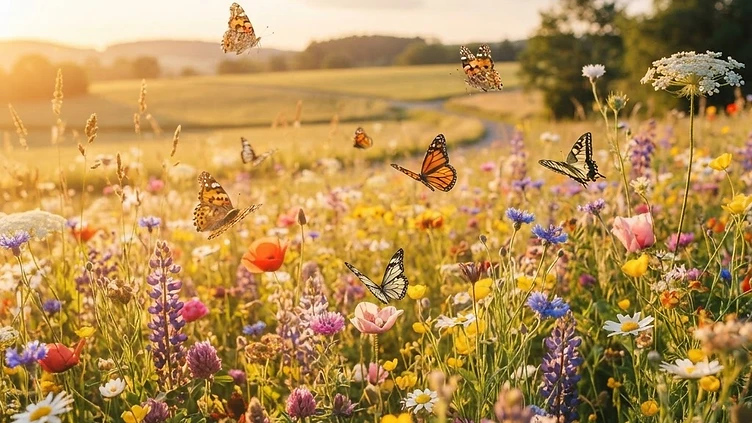
In the rolling landscapes of West Sussex, a quiet revolution is taking place beneath the vast English sky. , once a site defined by the rhythmic hum of agricultural machinery and the orderly rows of golden wheat, has undergone a breathtaking metamorphosis. After four decades of intensive cereal farming, the land has been returned to the natural world. Since the final harvest concluded in 2024, a rapid transformation has unfolded across 330 acres, turning a former commercial wheat farm into a thriving sanctuary for wildlife. This ecological restoration is not merely a slow return to nature; it is a vibrant, bustling explosion of life, captured in the delicate fluttering of thousands of wings.
The Return of the Butterflies
The scale of the change is nothing short of extraordinary. In recent surveys conducted by environmental experts, an astonishing 5,290 butterflies were counted across the expansive 134-hectare site. This remarkable figure reflects the discovery of 28 distinct species, a testament to the effectiveness of the restorative measures undertaken. Among the inhabitants now calling this reclaimed landscape home are some of the United Kingdom’s most sensitive and sought-after butterflies. The presence of the dingy skipper, a species often reliant on specific habitats, is a major victory for the project. Perhaps even more enchanting is the identification of the small blue, officially recognised as the smallest butterfly species found within the UK. To see these tiny, fragile creatures colonising a site that was, until very recently, dominated by intensive commercial cropping is a powerful indicator of how quickly nature can find its footing when given the right conditions to succeed.
Seeds of Success
The rapid recovery at Halnaker Hill Farm did not happen by chance. Following the final harvest, the land underwent a strategic transformation. A specially curated seed mix was sown across the acreage to provide the foundation for natural recovery. This intentional act of intervention was designed to give local flora a head start, creating the perfect environmental conditions for pollinators and other wildlife to return to the area. Environmental experts have watched the progress with keen interest, and many have expressed genuine surprise at the speed of this ecological bounceback. Two years on from that final harvest, the landscape is already showing signs of a robust, self-sustaining ecosystem. The speed of this transition highlights that, with proper management, former arable land holds an immense, untapped potential for rapid biodiversity gains.
A Model for the Future
The success at Halnaker Hill Farm serves as a compelling case study for the wider UK conservation community. It proves that commercial land, even that which has been subjected to decades of intensive farming, is not permanently lost to nature. Instead, it can be successfully repurposed, providing a new lease on life for species that have struggled to find stable ground elsewhere. The project offers a beacon of hope for land management strategies across the region, demonstrating that commercial interests and nature recovery do not have to be mutually exclusive concepts. By turning these fields into a mosaic of habitat, conservationists are demonstrating how we can repair some of the damage caused by industrial agriculture. As we look towards the future of our rural environments, the case of Halnaker Hill Farm offers a blueprint for what is possible. It is a story of optimism, showing that if we provide the right environment, the natural world is more than ready to reclaim its place. The butterflies that now dance over these 330 acres are not just insects; they are the messengers of a flourishing, healthier future for the South of England. As this project continues to evolve, the lessons learned here will undoubtedly influence how we view the role of our land, moving away from a focus solely on yield and towards a vision of biodiversity that benefits the entire ecological fabric of our country. For those who care about the future of our pollinators and the richness of our countryside, this West Sussex farm stands as a powerful reminder that nature is resilient, provided we give it the chance to take root.
Originally reported by
All rights in the original reporting remain with the publishers below.
Originally reported by ‘This isn’t greenwashing’: thousands of butterflies surprise experts on restored West Sussex farmland — theguardian.com. Our feature is written independently from verified facts — please support the original reporting:
Read the original storyRelated Wins

 Sport
West London schoolgirl breaks third Parkrun record to become 'world's fastest' in her category
A talented young athlete from West London has achieved international recognition by setting her third consecutive Parkrun record. Her remarkable performance has officially established her as the fastest runner in her age category worldwide.
London & South · 8 hours ago

 Science
POND ALGAE UNLOCKS SECRETS OF THE HUMAN BRAIN
A microscopic green alga has paved the way for a revolutionary medical breakthrough that recently earned its discoverers the 2026 Nobel Prize in Physiology or Medicine. By studying how this tiny organism uses light to navigate, scientists developed "optogenetics," a powerful tool that allows researchers to control specific brain cells with pulses of light.
London & South · 14 hours ago

 Environment
Congleton Town Council Boosts Community Pride with Free Bus Travel
Congleton Town Council successfully launched its first 'Free Bus Day', leading to a 55% increase in ridership and providing accessible, sustainable transport for the town's annual Pride celebration.
North of England · 19 hours ago
The Sunshine Digest
One bright email each week — verified good news only, unsubscribe in a click.