A CHIRPY RECOVERY: HOUSE SPARROWS SHOW SIGNS OF STABILISATION
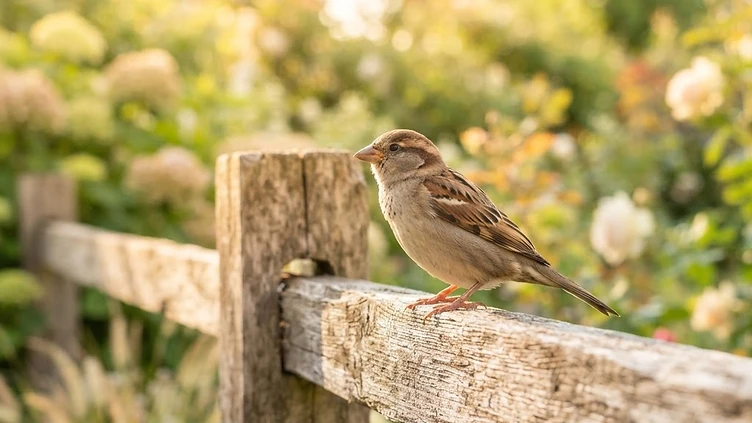
After decades of concern regarding the decline of one of Britain’s most iconic garden birds, new data indicates that house sparrow populations are beginning to show signs of stabilisation. This positive shift offers a glimmer of hope for conservationists working to reverse the loss of millions of these birds since the 1970s.
A Heartening Turn for Garden Icons
For decades, the simple, rhythmic chirping of the sparrow has been a sound that many across the United Kingdom feared was fading into memory. Once a permanent fixture of our hedgerows and urban eaves, these familiar garden visitors suffered a dramatic and heartbreaking decline that lasted for generations. However, as we look at the landscape in April 2026, a shift in the wind offers a rare and welcome glimmer of hope. New data now points toward a stabilisation of these beloved birds, marking what many experts believe could be a definitive turning point for urban biodiversity across the nation.
The Scale of the Struggle
To understand the magnitude of this news, one must look back at the sobering reality of the past. Between 1977 and 2008, the house sparrow faced a truly staggering collapse in numbers, with populations plummeting by 71 percent. The disappearance of millions of these resilient little birds left a noticeable silence in our suburban and rural spaces, prompting deep concern among ists who feared that a cornerstone of British garden life was slipping away forever. For years, the story was one of steady loss, a quiet depletion that seemed to defy efforts to intervene. Yet, the persistence of community groups and dedicated garden birdwatchers has remained unwavering throughout this difficult era.
A Welsh Success Story
Nowhere is this shift more evident than in the rolling landscapes and urban pockets of Wales. Within the borders of the nation, breeding bird statistics reveal a remarkable narrative of recovery. Far from the continued declines that once defined the species' path, data indicates that house sparrow populations in Wales have nearly doubled over the course of the last thirty years. This surge serves as a powerful testament to the impact of local action and persistent monitoring. The Welsh experience provides a heartening blueprint for the broader United Kingdom, proving that when communities commit to protecting their local environment, the natural world has a chance to recalibrate and thrive once again.
Small Actions, Major Impacts
The question for many is how such a dramatic decline has finally been brought to a halt. The answer appears to lie in the modest, consistent efforts of individual citizens and community groups alike. Targeted local interventions, specifically the increase in garden feeding and the proactive provision of nesting sites, have been credited as vital support mechanisms for these recovering colonies. By creating spaces where house sparrows can safely forage and raise their young, people across the UK have effectively turned their own back gardens into essential sanctuaries. This grassroots approach has played a central role in reversing the historical trends that once threatened the very future of the species.
Looking Toward a Brighter Future
As we process these latest statistics, there is a renewed sense of optimism surrounding the health of our environment. The stabilisation of house sparrow numbers is not just a positive data point; it is a signal that our collective interventions are working. This improvement suggests that the dedicated work of conservationists, combined with the efforts of everyday bird lovers, is successfully navigating the species away from the precipice of long-term decline. As we move forward, this turning point offers more than just a reprieve for a single bird species; it highlights a broader potential for the regeneration of urban biodiversity. While there is still a long path ahead to ensure these gains are maintained and expanded, the current trajectory is a welcome reminder that persistence in environmental care can yield truly transformative results for the wildlife that shares our homes and gardens.
Originally reported by
All rights in the original reporting remain with the publishers below.
Originally reported by theguardian.com. Our feature is written independently from verified facts — please support the original reporting:
Read the original storyRelated Wins

 Environment
A NATURAL REVIVAL FOR BARNES GREEN
A major river restoration project has successfully transformed the Beverley Brook at Barnes Green into a thriving, natural habitat. This initiative has introduced a meandering river channel and a new island, significantly boosting local flood resilience and biodiversity.
London & South · 8 hours ago

 Environment
A "Nature Ring" for London: Ambitious Green Corridor Takes Root
A visionary 25-year project is underway to encircle the capital with a continuous 200km green corridor, transforming the city’s outer edges into a thriving habitat for both wildlife and residents. By connecting existing green spaces with new orchards, hedgerows, and woodlands, the initiative aims to restore biodiversity and provide nature-deprived communities with improved access to the outdoors.
London & South · 1 day ago

 Environment
'Outstanding' school 'over-capacity' to move and expand from Bermondsey to Peckham
A highly-rated special school is set to expand its capacity and move into a modern, sustainable facility to better support children with complex needs. This relocation will provide 21 additional places for pupils, ensuring more families have access to high-quality, purpose-built educational environments.
London & South · 1 day ago
The Sunshine Digest
One bright email each week — verified good news only, unsubscribe in a click.